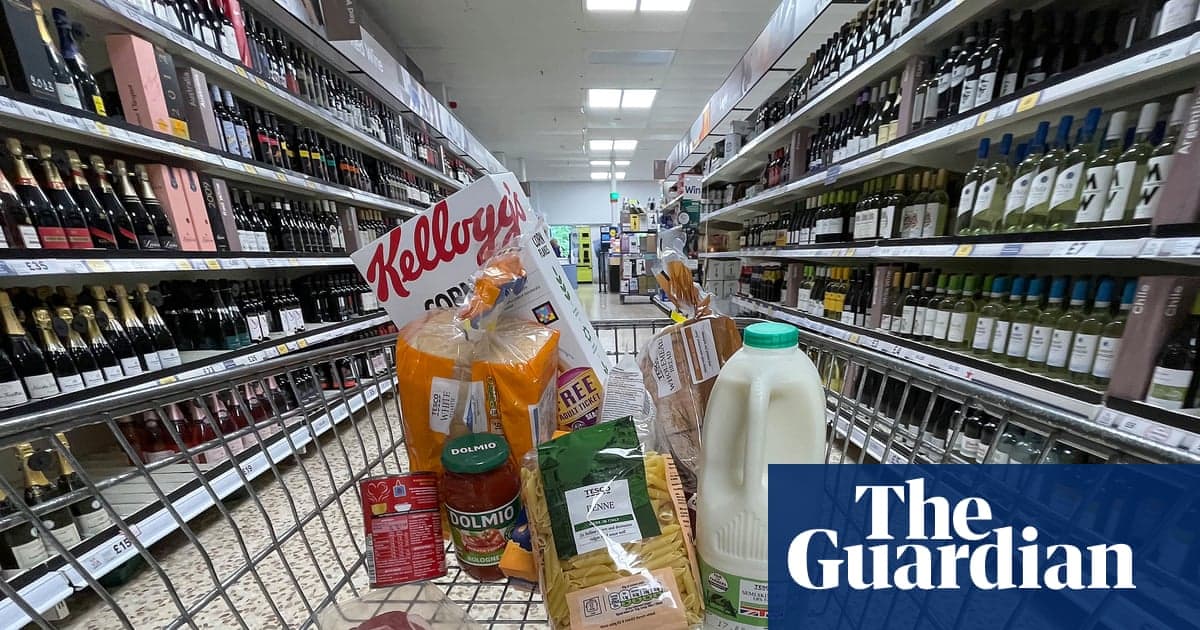
Four in Five Britons Worried Iran War Will Make Food More Expensive, Poll Finds
Why It Matters
Higher food prices could deepen the UK cost‑of‑living crisis and pressure the government ahead of local elections, while retailer‑government tensions may shape future energy policy.
Key Takeaways
- •80% of Britons worry Iran war will raise grocery costs.
- •Food inflation forecast to reach 7% by end‑2026.
- •Retailers demand removal of non‑commodity energy levies.
- •Government already suspended select food tariffs to curb price hikes.
Pulse Analysis
The Iran‑Israel conflict has rippled through global commodity markets, sending oil and gas prices soaring and tightening the fertiliser supply chain. For the United Kingdom, these shocks translate into higher input costs for manufacturers and logistics firms that underpin the grocery sector. As shipping routes around the Strait of Hormuz become riskier, freight rates climb, and the cost of producing and transporting food rises, putting additional strain on an already fragile cost‑of‑living landscape.
Consumer anxiety is reflected in the Opinium poll, where four in five respondents anticipate higher grocery bills. Retailers, led by the British Retail Consortium, are lobbying for the removal of non‑commodity energy levies—fees that inflate electricity bills for businesses. Chancellor Rachel Reeves has already extended relief to the most energy‑intensive industries, but food retailers argue that without similar measures, price pressures will cascade to shoppers. The political stakes are high; the issue is likely to dominate discussions ahead of the upcoming local elections, forcing policymakers to balance fiscal prudence with the need to protect household budgets.
Looking ahead, the Bank of England’s projection of 7% food inflation by year‑end signals a potential acceleration of price growth. If the conflict persists, further disruptions to fertiliser imports and energy supplies could push inflation higher, prompting calls for more aggressive interventions such as targeted subsidies or temporary tax suspensions. Meanwhile, other European governments are already adjusting electricity levies for businesses, offering a template the UK could follow. The window for decisive action is narrowing, and the outcome will shape both the retail sector’s pricing strategy and the broader economic outlook for British consumers.
Four in five Britons worried Iran war will make food more expensive, poll finds
Comments
Want to join the conversation?
Loading comments...