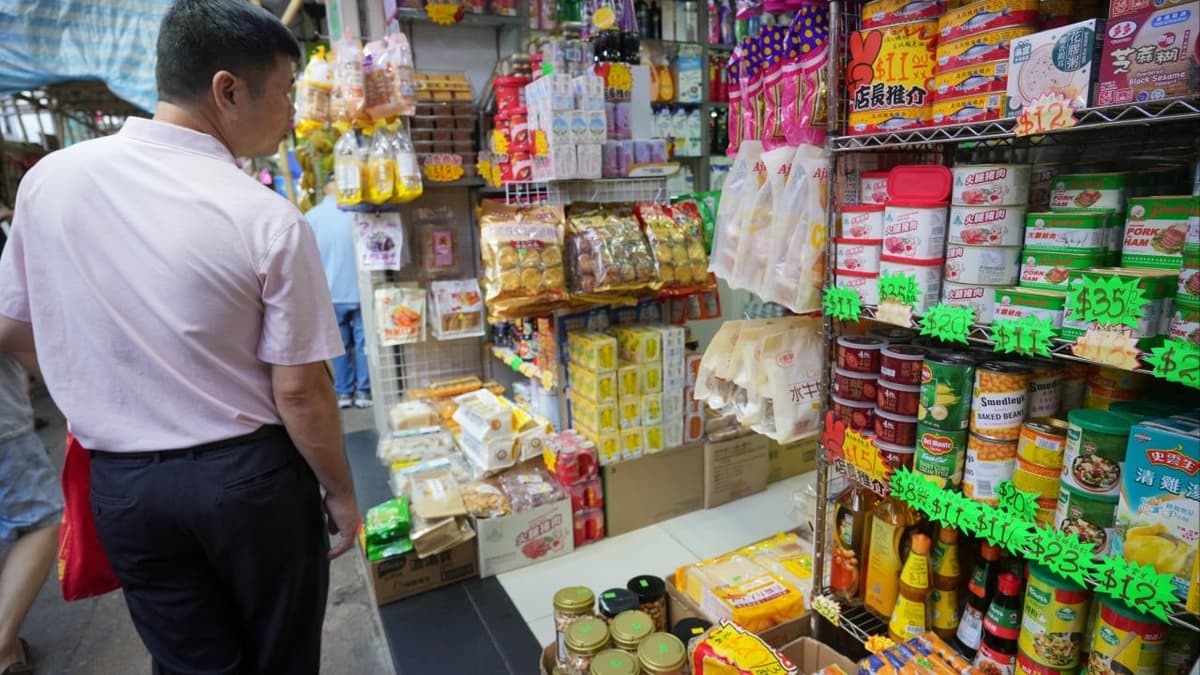
From Toilet Paper to Travel: Why Inflation Could Soon Hit Hongkongers Hard
Why It Matters
Higher inflation will erode household purchasing power and strain SMEs, potentially reshaping consumer spending patterns and testing Hong Kong’s reputation as a stable financial hub.
Key Takeaways
- •Hong Kong's CPI 2026 forecast lifted to 1.9% due to energy shock
- •Diesel subsidies and tunnel fee cuts introduced as short‑term relief
- •Small firms face higher cost absorption; large firms can better maneuver
- •Rising fuel surcharges may drive shoppers to mainland China
- •Energy crisis accelerates push for renewables and EV adoption
Pulse Analysis
The current oil shock, sparked by the Middle East conflict, has turned Hong Kong’s energy market into a volatility hotspot. With diesel and petrol prices soaring to global highs, the city’s import‑dependent economy is seeing a direct pass‑through to the consumer price index. Analysts at Citigroup adjusted their CPI outlook upward to 1.9% for 2026, reflecting three months of elevated energy costs, while the government projects headline inflation near 1.8%. These figures, though modest by global standards, signal the first wave of imported inflation that could outpace growth in the coming quarters.
Businesses are already feeling the squeeze. Large corporations can absorb higher logistics fees, but small and medium‑sized enterprises—particularly in sectors like laundry services and construction—are seeing profit margins evaporate as diesel surcharges double their cost base. Consumers, wary of rising household bills, are likely to shift spending to cheaper alternatives across the border in Shenzhen or even Japan, putting additional pressure on Hong Kong’s retail and F&B sectors. The fiscal response, including diesel subsidies and temporary tunnel fee reductions, offers only short‑term relief and underscores the need for a more durable pricing strategy.
The crisis is also acting as a catalyst for Hong Kong’s long‑term energy strategy. With 50‑60% of electricity generated from imported liquefied natural gas, policymakers are revisiting the 2035 renewable target of 7.5‑10% to reduce reliance on volatile fossil fuels. Initiatives promoting electric‑vehicle adoption and sustainable aviation fuel are gaining traction, aligning the city’s green transition with its ambition to remain a secure financial hub amid geopolitical uncertainty. The combined pressure of inflation and energy security is reshaping both the economic outlook and the policy agenda for Hong Kong’s next decade.
From toilet paper to travel: why inflation could soon hit Hongkongers hard
Comments
Want to join the conversation?
Loading comments...