Global Economy News and Headlines
  • All Technology
  • AI
  • Autonomy
  • B2B Growth
  • Big Data
  • BioTech
  • ClimateTech
  • Consumer Tech
  • Crypto
  • Cybersecurity
  • DevOps
  • Digital Marketing
  • Ecommerce
  • EdTech
  • Enterprise
  • FinTech
  • GovTech
  • Hardware
  • HealthTech
  • HRTech
  • LegalTech
  • Nanotech
  • PropTech
  • Quantum
  • Robotics
  • SaaS
  • SpaceTech
AllNewsDealsSocialBlogsVideosPodcastsDigests

Global Economy Pulse

EMAIL DIGESTS

Daily

Every morning

Weekly

Sunday recap

NewsDealsSocialBlogsVideosPodcasts
Global EconomyNewsFTSE 100 Live: Inflation Falls to Near Year-Low; BAE Leads Stock Rally
FTSE 100 Live: Inflation Falls to Near Year-Low; BAE Leads Stock Rally
BondsGlobal Economy

FTSE 100 Live: Inflation Falls to Near Year-Low; BAE Leads Stock Rally

•February 18, 2026
0
City A.M. — Markets
City A.M. — Markets•Feb 18, 2026

Companies Mentioned

BAE Systems

BAE Systems

Lloyds Banking Group

Lloyds Banking Group

LYG

KPMG

KPMG

Why It Matters

A March rate cut would lower borrowing costs, supporting consumer spending and corporate earnings, while the inflation trend signals a turning point for UK monetary policy. The rally in defence equities also highlights policy‑driven sector rotation on the FTSE 100.

Key Takeaways

  • •CPI fell to 3% YoY in Jan 2026.
  • •BoE held rates at 3.75% with narrow 5-4 vote.
  • •Unemployment rose to 5.2%, post‑pandemic high.
  • •Defense stocks surged after spending pledge.
  • •Inflation dip fuels expectations of March rate cut.

Pulse Analysis

The latest Office for National Statistics data shows the UK Consumer Price Index slipping to 3% in January, its slowest pace since March 2025. The decline reflects a confluence of lower energy costs, stabilising air‑fare prices and modest reductions in staple food items such as bread and meat. While these factors have eased headline inflation, higher hotel and takeaway expenses partially offset the gains, underscoring the uneven nature of price pressures across the economy.

On the monetary‑policy front, the Bank of England’s Monetary Policy Committee voted 5‑4 to keep the Bank Rate at 3.75%, a decision that surprised markets given the recent inflation dip. Governor Andrew Bailey’s dovish tone and hints of a possible March cut have reignited speculation that the central bank will act pre‑emptively to protect a labour market now showing signs of strain, with unemployment climbing to 5.2%. Analysts from KPMG and other firms argue that a modest rate reduction could cushion the labour market while keeping inflation on track for the 2% target by spring.

Equity markets have already responded. The FTSE 100 saw defence shares surge after Labour leader Keir Starmer pledged accelerated defence spending, highlighting how fiscal policy cues can drive sector rotation. Meanwhile, broader market sentiment remains cautious, balancing optimism over a potential rate cut against lingering concerns about wage growth and post‑pandemic unemployment. Investors will watch upcoming BoE minutes closely for clues on the timing and magnitude of any policy shift, as the interplay between inflation, rates and sector performance continues to shape the UK’s financial landscape.

FTSE 100 Live: Inflation falls to near year-low; BAE leads stock rally

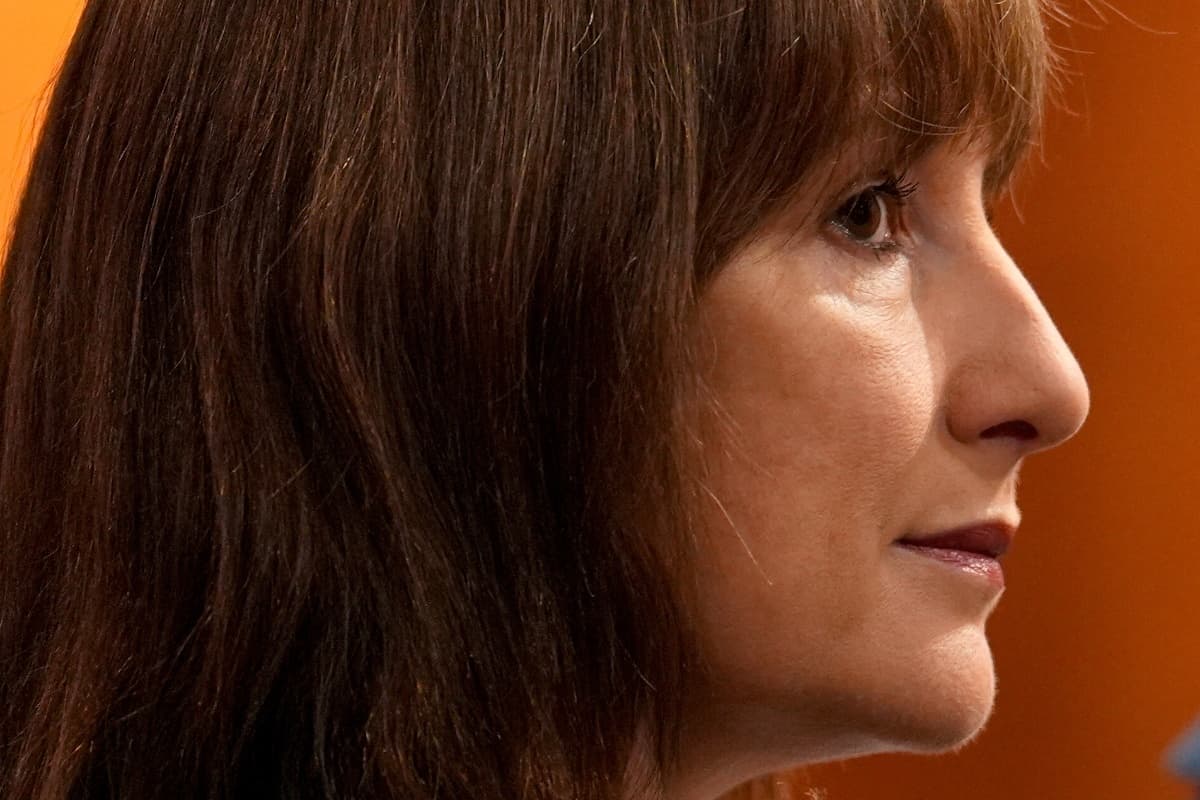
Reeves has said her Budget would bring inflation down. (Image: PA)

Good morning and welcome back to the City AM liveblog.

Inflation has fallen to a near year-low this morning hitting its slowest pace since March and fuelling hopes that the Bank of England will take the chop to interest rates next month.

New data from the Official for National Statistics showed rose the Consumer Price Index (CPI) – the headline benchmark for inflation – rose three per cent in the year to January 2026, down from 3.4 per cent in December 2025.

Grant Fitzner, chief economist at the ONS, said this was partly driven by petrol prices along with airfares, which had levelled out after a surge in December.

“Lower food prices also helped push the rate down, particularly around bread and meat and cereals,” he added.

“These were partially offset by the cost of hotel stays and takeaways”.

It comes after the latest jobs data released on Tuesday also ramped up hopes of a March rate cut. City officials were pencilling in another reduction to stimulate the economy after the unemployment rate rose to a post-pandemic high at 5.2 per cent yesterday.

Yael Selfin, chief economist at KPMG UK, said the Bank may “want to minimise downside risks to the labour market and lower rates ahead of the next forecast meeting in April”.

But there may be some division on the MPC with Bank of England chief economist Huw Pill last week saying rates were already “a little bit too low”.

In its decision at the beginning of February, the Bank’s Monetary Policy Committee voted to hold rates at 3.75 per cent in a much-closer call than anticipated at a 5-4 split.

Though Bank governor Andrew Bailey did signal a dovish outlook despite voting for a hold. Bailey said the chance of further cuts would increase with price growth expected to “fall back” to the two per cent target in the Spring, compared to previous forecast of 2027.

Here’s a few of our top stories from yesterday:

  • Antofagasta’s shares dip despite soaring revenue

  • Debenhams shares plunge after £35m capital raise confirmed

  • Lloyds offloads Scottish Widows Europe in £100m deal

  • Unemployment hits post-pandemic high as wage growth slips

  • Defence stocks rally after Starmer vows to ‘go faster’ on spending pledge

The liveblog has ended.

No liveblog updates yet.

Load more

Read Original Article
0

Comments

Want to join the conversation?

Loading comments...