Fuel-Linked Price Rises Hit Ethiopia Ahead of Orthodox Easter
Why It Matters
Higher logistics costs are inflating food prices just as Easter drives up consumption, deepening inflationary pressure and eroding real incomes across Ethiopia’s urban and rural populations.
Key Takeaways
- •Transport costs jumped to 250,000 birr ($1,600) per freight.
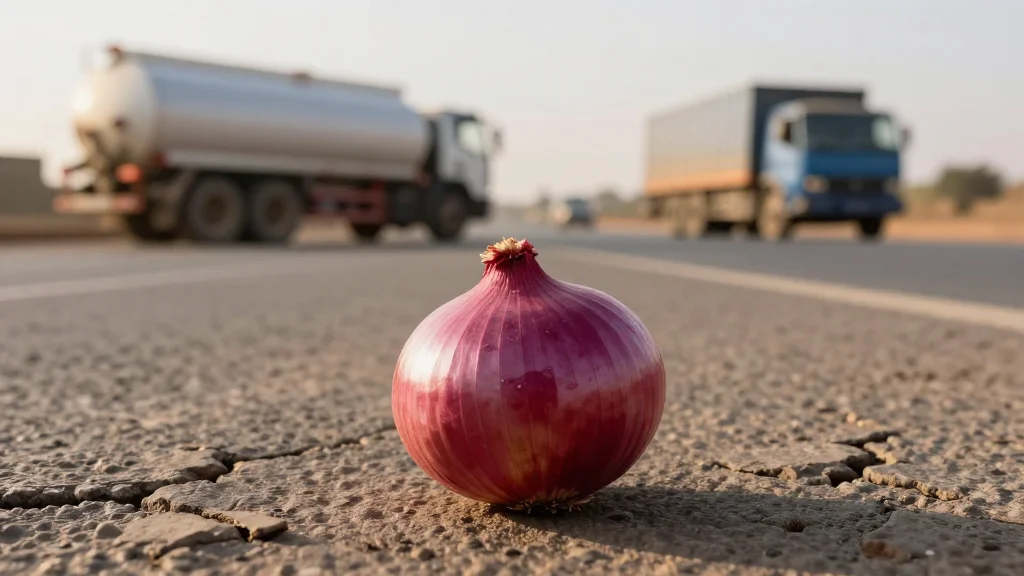
- •Onion price in Addis rose to 100 birr ($0.64) per kg.
- •Ox transport cost tripled, now 15,000 birr ($96) per animal.
- •Fuel rationing caps trucks at 200 litres, limiting range to 200 km.
- •Livestock prices up 30%+, raising household food expenses.
Pulse Analysis
Ethiopia’s reliance on imported fuel makes it vulnerable to geopolitical shocks, and the recent escalation in the Middle East has sent diesel prices soaring. With the Strait of Hormuz chokepoint under strain, Ethiopian trucks face severe rationing—drivers can only purchase 200 litres of diesel, enough for roughly 200 kilometres. This constraint has inflated freight charges from 70,000 birr ($450) to more than 250,000 birr ($1,600) per load, extending transit times by several days and exposing perishable goods to spoilage.
The ripple effect on the food supply chain is stark. Onion wholesalers report that shipments from Humera, a key production hub nearly 900 km away, arrive four days late, leading to rot and loss. Consequently, onion prices in Addis Ababa’s Merkato have surged to about 100 birr ($0.64) per kilogram, up from roughly 30 birr ($0.19) pre‑disruption. Livestock transport costs have also tripled, with oxes now costing 15,000 birr ($96) to move from Gojjam. As Orthodox Easter approaches—a period marked by heightened meat consumption—these price hikes are amplifying household expenditure on essential proteins.
Beyond immediate consumer pain, the fuel‑linked inflation threatens broader macroeconomic stability. Ethiopia’s inflation rate, already pressured by global commodity trends, now faces an added food‑price component that could push real wages lower and dampen consumer confidence. Policymakers may need to consider emergency fuel subsidies, diversified import routes, or strategic reserves to mitigate future supply shocks. Without such interventions, the combined effect of rising transport costs and seasonal demand could entrench a cycle of price volatility that undermines growth prospects.
Fuel-linked price rises hit Ethiopia ahead of Orthodox Easter
Comments
Want to join the conversation?
Loading comments...