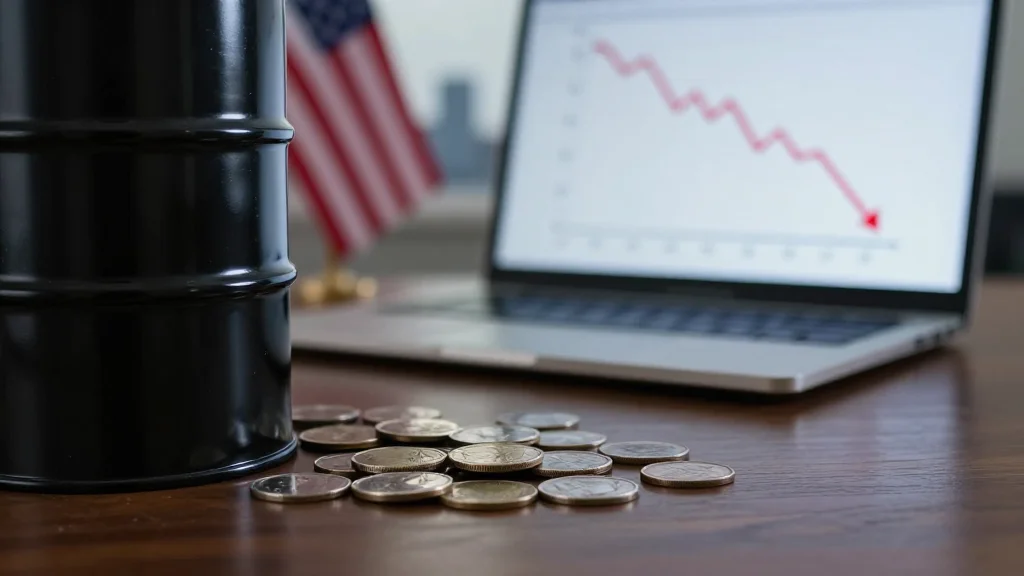
Futures Dip, Oil Prices Climb as US Plans to Blockade the Strait of Hormuz
Why It Matters
The blockade threatens a critical oil transit chokepoint, risking higher energy costs and heightened market volatility that could stall global growth. Investors must monitor the geopolitical risk premium baked into commodity and equity prices.
Key Takeaways
- •Oil prices breach $100, Brent up 9% to $104 per barrel
- •Dow futures fall 0.9% after Trump’s blockade announcement
- •Iran vows to hit all Persian Gulf ports if blockaded
- •Geopolitical risk adds inflation pressure to already tight markets
Pulse Analysis
The Strait of Hormuz carries roughly a fifth of the world’s daily oil flow, making any disruption a catalyst for sharp price moves. Historically, tensions in the narrow waterway have prompted temporary spikes, but a full U.S. naval blockade marks an unprecedented escalation. Analysts note that such a move could force tankers onto longer routes around Africa, inflating freight costs and further tightening global supply. The strategic calculus also raises questions about the United States’ willingness to use military leverage to influence energy markets, a stance that could reshape diplomatic relations with both allies and adversaries.
Equity markets reacted instantly, with Dow futures sliding 0.9% and broader indices following suit. The sell‑off reflects investors’ fear that sustained higher oil prices will feed into consumer inflation, eroding disposable income and squeezing corporate margins. Energy‑heavy sectors, however, saw a rally as higher crude prices improve profit outlooks for producers. The divergence underscores a classic risk‑on/risk‑off split, where investors balance inflationary pressures against the upside for oil‑related stocks. Fixed‑income markets also felt the strain, as yields rose on expectations of tighter monetary policy to counteract price pressures.
Looking ahead, the blockade’s durability will dictate the depth of market disruption. If the U.S. maintains pressure and Iran escalates, oil could breach $110, prompting central banks to accelerate rate hikes. Conversely, diplomatic de‑escalation or alternative supply routes could temper price gains. The episode highlights the growing importance of energy diversification, with renewables and strategic petroleum reserves gaining attention as buffers against geopolitical shocks. Stakeholders across finance, industry, and policy must therefore monitor diplomatic channels closely, as the outcome will reverberate through inflation trends, growth forecasts, and the broader geopolitical landscape.
Futures dip, oil prices climb as US plans to blockade the Strait of Hormuz
Comments
Want to join the conversation?
Loading comments...