GE Brings Jobs Home as Tariff Pressure Reshapes Manufacturing
Why It Matters
The relocation reduces tariff and logistics costs, boosting GE’s competitiveness while signaling a wider shift toward domestic manufacturing in response to geopolitical and supply‑chain volatility.
Key Takeaways
- •GE invests $490M to revive Kentucky plant, adding ~800 jobs
- •Relocating washer production cuts tariff exposure and shipping risks
- •Domestic supplier contracts total $150M, boosting U.S. component makers
- •Higher labor costs remain a challenge for reshoring strategies
- •GE's move signals broader shift toward supply‑chain resilience
Pulse Analysis
Over the past few years, escalating tariffs, pandemic‑induced shipping bottlenecks, and geopolitical friction have forced manufacturers to reassess the classic low‑cost offshore model. The added expense of duties and the uncertainty of long‑haul logistics can quickly erode the price advantage of producing in China or other low‑wage regions. Companies are therefore weighing total landed cost, which now includes risk premiums for supply‑chain disruptions, against the benefits of proximity to end‑users. This strategic shift is reshaping investment decisions across sectors from consumer appliances to automotive components.
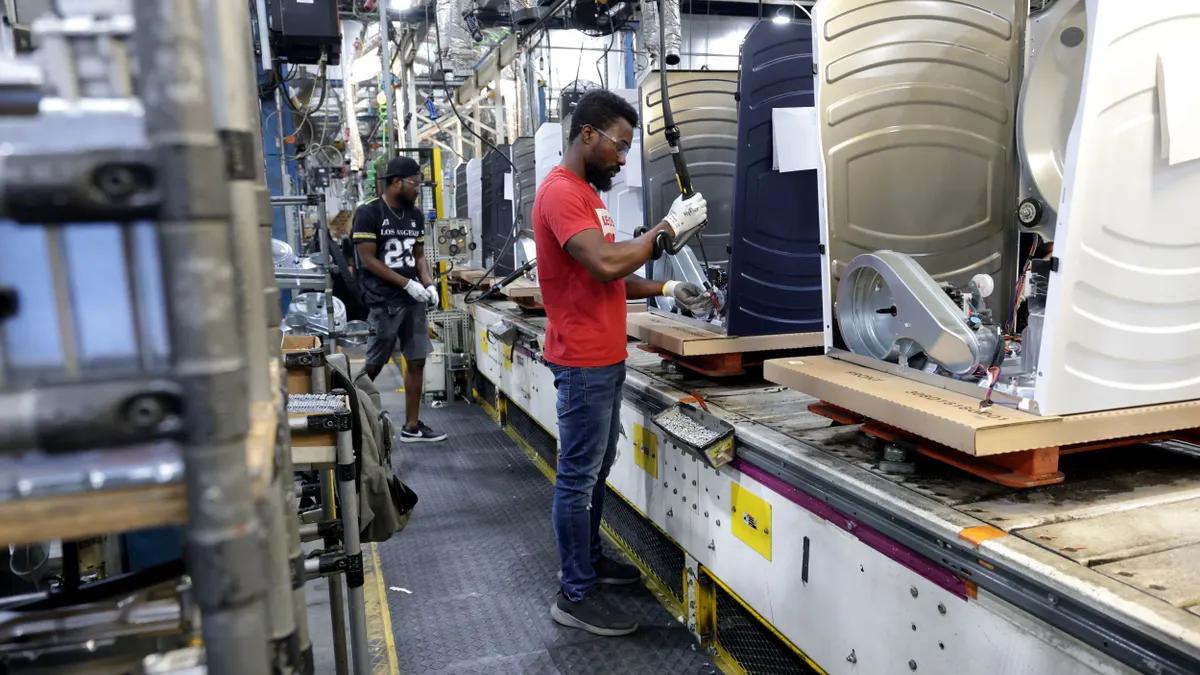
GE Appliances' $490 million overhaul of the former Building 2 site in Louisville exemplifies the new calculus. The 900,000‑square‑foot facility will employ roughly 800 workers to assemble front‑load washers and dryer‑washers using advanced robotics, while the company has awarded about $150 million in contracts to U.S. parts suppliers. Although domestic labor rates exceed those in China, the move eliminates tariffs on imported units and shortens delivery windows, reducing inventory buffers. The investment also signals confidence in Kentucky’s skilled workforce and the broader Appliance Park ecosystem.
The Kentucky project does not herald a wholesale reversal of globalization, but it does highlight a growing emphasis on supply‑chain resilience. Firms that can blend domestic assembly with imported components stand to gain flexibility while managing higher wage bills. However, the limited U.S. base for specialized machinery and electronics means many reshoring initiatives will still rely on foreign sourcing, at least in the short term. Policymakers are watching these trends closely, as sustained domestic investment could spur a new network of suppliers, potentially offsetting some of the cost gap over time.
GE Brings Jobs Home as Tariff Pressure Reshapes Manufacturing
Comments
Want to join the conversation?
Loading comments...