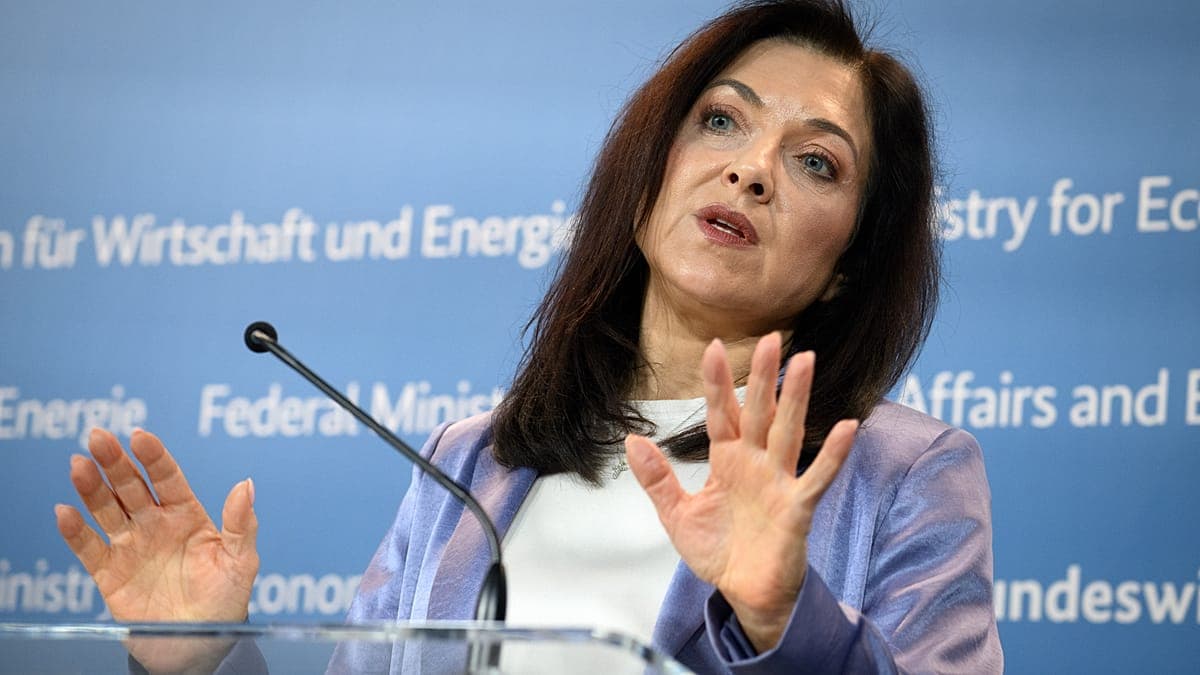
Germany Halves GDP Forecast From 1% to 0.5% Due to Iran War Fallout
Why It Matters
The downgrade signals heightened vulnerability of Europe’s largest economies to geopolitical energy disruptions, tightening fiscal buffers and dampening investment momentum across the Eurozone.
Key Takeaways
- •Germany cuts 2026 growth forecast to 0.5% amid Iran war energy shock
- •2027 German growth outlook lowered to 0.9% from 1.3%
- •Italy cuts 2026 growth to 0.6% and flags 3.1% deficit
- •Rising oil and gas prices squeeze German industrial competitiveness
- •Companies postpone expansion projects, deepening Germany's economic slowdown
Pulse Analysis
The German government’s decision to slash its 2026 GDP growth target to 0.5% underscores how quickly geopolitical events can translate into macro‑economic headwinds. The Iran war has triggered an energy shock that sent European oil and natural‑gas prices soaring, inflating production costs for Germany’s export‑driven manufacturers. With the country accounting for roughly a quarter of the Eurozone’s output, this slowdown reverberates throughout the continent, prompting analysts to reassess growth trajectories for the broader region.
Beyond the headline numbers, the forecast cut reveals deeper structural strains. Higher energy bills are squeezing household disposable income, while raw‑material price spikes erode profit margins for key sectors such as automotive, chemicals, and machinery. The resulting uncertainty has forced many firms to adopt a “wait‑and‑see” stance, postponing capital‑intensive projects and curbing hiring plans. Italy’s parallel downgrade—dropping its 2026 growth to 0.6% and acknowledging a 3.1% budget deficit—highlights a synchronized fiscal tightening across the Eurozone, where governments must balance stimulus with rising debt burdens.
Policymakers now face a delicate trade‑off between stabilising energy markets and sustaining growth. Short‑term measures may include targeted subsidies for energy‑intensive industries and accelerated investment in renewable capacity to reduce reliance on volatile imports. In the longer run, the episode could accelerate the EU’s push for strategic energy independence and supply‑chain diversification. Investors should monitor how Germany and its neighbors navigate these challenges, as the pace of policy response will likely dictate whether the region can avoid a prolonged recessionary spiral and restore confidence in its economic engine.
Germany halves GDP forecast from 1% to 0.5% due to Iran war fallout
Comments
Want to join the conversation?
Loading comments...