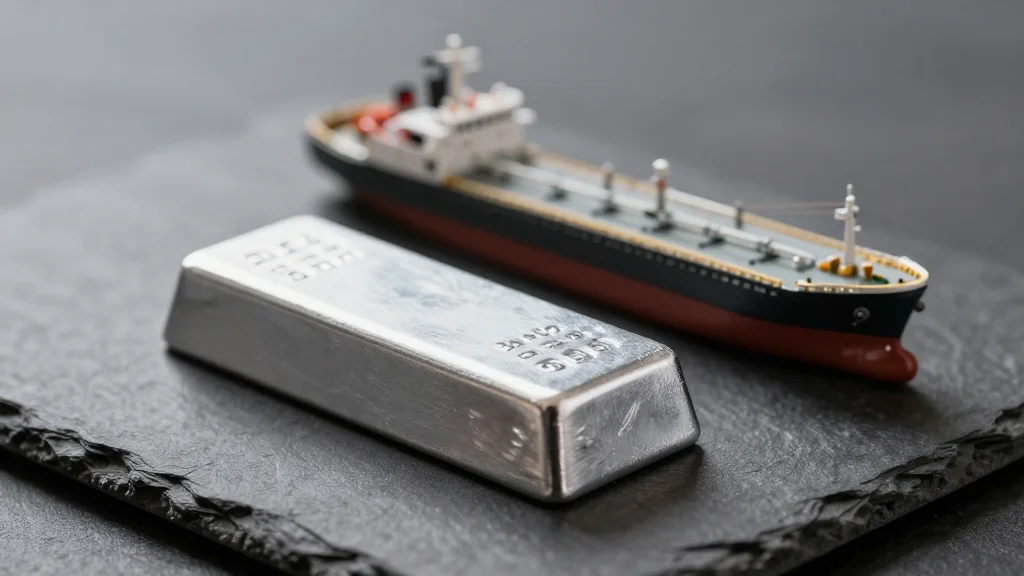
Global Aluminium Market Shaken but Resilient Amid Middle East Conflict
Why It Matters
Higher aluminium prices raise costs for downstream industries such as automotive and construction, while boosting margins for major producers. The prolonged supply crunch also accelerates the shift toward recycling and alternative sourcing strategies.
Key Takeaways
- •Middle East conflict blocks 7% of global aluminium supply
- •Production capacity damage equals roughly 3% worldwide
- •Aluminium prices expected to average $3,400/tonne in 2026
- •Inventories cover only a few days of global demand
- •New capacity in India and Indonesia slated for 2028
Pulse Analysis
Geopolitical tension in the Middle East has become a flashpoint for the aluminium sector, illustrating how regional conflicts can ripple through global commodity markets. The Strait of Hormuz blockage has effectively removed a seventh of the world’s aluminium output, while targeted strikes have knocked out about three percent of smelting capacity. This twin shock has propelled spot prices to their second‑highest ever levels, mirroring the spikes seen during the 2022 Russia‑Ukraine war. For manufacturers that rely on aluminium—particularly in automotive, aerospace, and construction—the price surge translates directly into higher production costs and tighter profit margins.
Compounding the supply squeeze is a surge in energy expenses. Aluminium smelting consumes roughly four percent of global electricity, and the conflict‑driven rise in natural‑gas and coal prices has pushed operating costs upward. With global inventories dwindling to just a few days of demand, buyers face a market where price volatility is the new norm. Companies are increasingly turning to long‑term contracts, strategic stockpiling, and accelerated recycling programs to mitigate exposure. The heightened cost environment also pressures downstream users to explore alternative materials or redesign products for greater material efficiency.
Looking ahead, the market’s resilience hinges on new production projects and the pace of capacity recovery. Large‑scale smelters slated for completion in India and Indonesia are expected to add significant primary aluminium by 2028, easing the current deficit. Meanwhile, secondary aluminium supply is set to outpace primary growth, driven by stricter recycling mandates and corporate sustainability goals. Demand is projected to rise 2.2% annually through 2040, supported by expanding electrical infrastructure and transportation sectors. However, any prolongation of the Middle East conflict or further spikes in energy prices could keep the market tight, reinforcing the importance of diversified sourcing and robust risk management strategies.
Global Aluminium market shaken but resilient amid Middle East conflict
Comments
Want to join the conversation?
Loading comments...