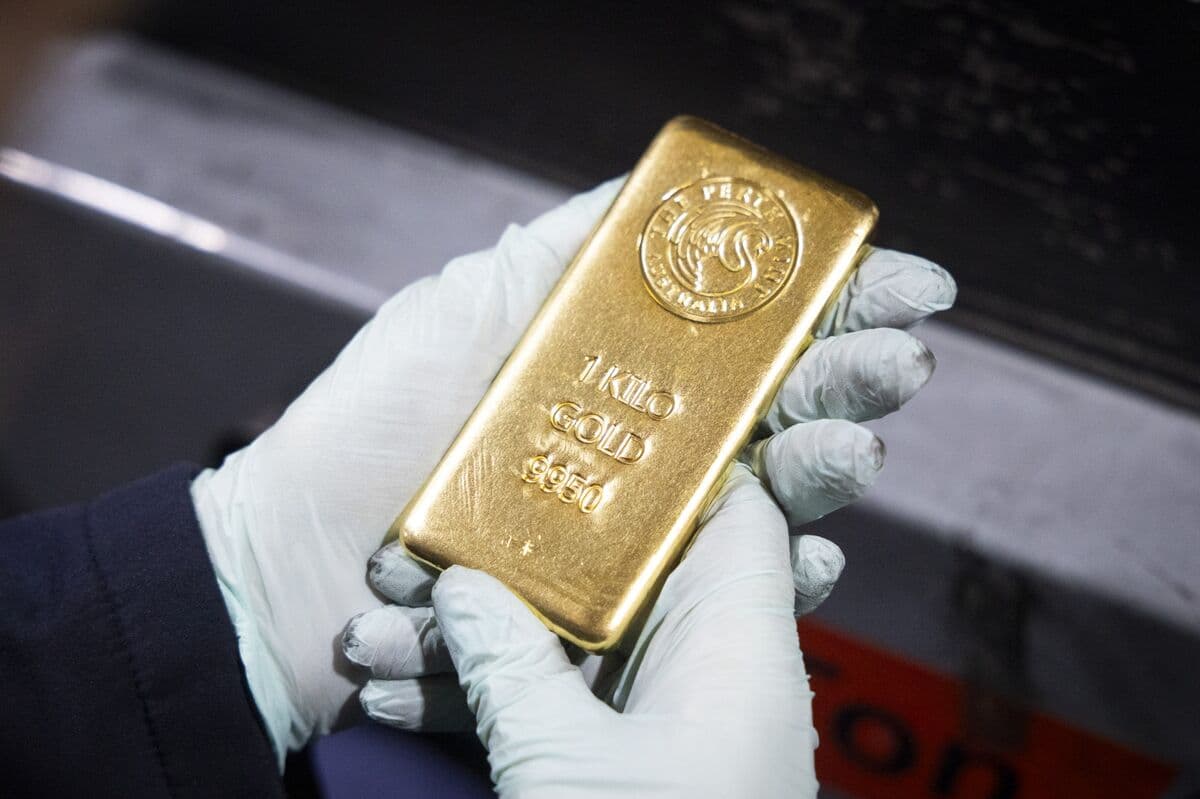
Gold Falls as Renewed Hormuz Disruption Stokes Inflation Concern
Why It Matters
The Hormuz disruption revives oil‑price risk, feeding inflation expectations and weakening gold’s safe‑haven appeal, which could influence central‑bank policy and investor allocations. Market participants will watch geopolitical developments closely as they shape commodity and currency markets.
Key Takeaways
- •Gold slipped to $4,790/oz, down 1.9% intraday
- •Hormuz flare‑up revived oil‑price shock fears
- •U.S. Navy seized Iranian cargo ship, escalating tensions
- •Traders questioned cease‑fire talks, boosting inflation worries
- •Safe‑haven demand waned as risk appetite briefly rose
Pulse Analysis
The Strait of Hormuz has long been a chokepoint for global oil flows, and any disruption can ripple through financial markets. This weekend’s confrontation—highlighted by a U.S. Navy engagement with an Iranian‑flagged vessel—re‑ignited fears of a supply shock that could push crude prices higher. Higher oil costs feed directly into consumer inflation, prompting investors to reassess the protective role of gold. While gold traditionally benefits from inflation worries, the immediate reaction was a sell‑off as traders prioritized short‑term risk‑off moves over longer‑term hedging.
Gold’s price dip to roughly $4,790 per ounce reflects a broader market jitteriness rather than a fundamental shift in demand. The 1.9% intraday decline was the steepest move in weeks, but the metal quickly found support as the initial shock faded. Analysts note that the volatility stemmed more from geopolitical headlines than from changes in physical gold supply or central‑bank buying. In contrast, oil‑related equities and the U.S. dollar rallied, indicating that investors were temporarily shifting toward assets perceived as less exposed to supply‑chain disruptions.
Looking ahead, the durability of gold’s safe‑haven status will hinge on how the Hormuz situation evolves. If tensions de‑escalate and oil markets stabilize, gold could regain its upward momentum, especially if inflation data remain sticky. Conversely, a prolonged standoff could keep oil prices elevated, prompting central banks to tighten monetary policy faster, which would likely weigh on gold further. Market participants should therefore monitor diplomatic talks, naval activity, and upcoming inflation reports to gauge the next swing in precious‑metal pricing.
Gold Falls as Renewed Hormuz Disruption Stokes Inflation Concern
Comments
Want to join the conversation?
Loading comments...