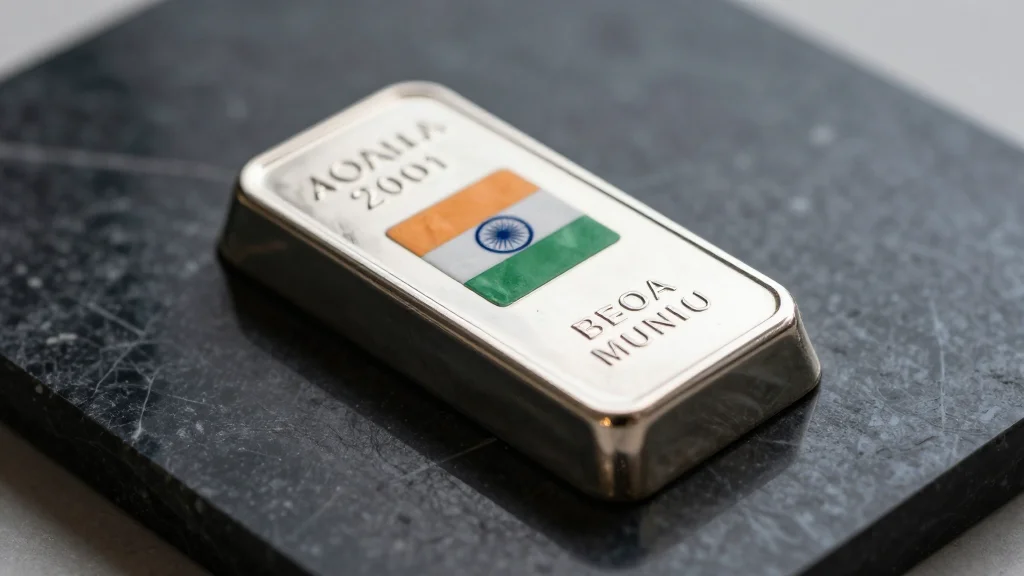
Govt Restricts Silver Imports Amid Push to Curb Metal Inflows
Why It Matters
Limiting silver imports reduces foreign‑exchange outflows and supports India's effort to shrink its widening current‑account gap, while also signaling tighter control over precious‑metal markets.
Key Takeaways
- •Government licence now mandatory for all silver imports.
- •Customs duty on precious metals jumped to 15% on May 13.
- •Silver imports total 6,000‑7,000 tonnes yearly, now restricted.
- •Silver price hit ₹300,000/kg (~$3,600) amid global surge.
- •Policy targets reduction of current‑account deficit and FX outflows.
Pulse Analysis
India’s recent silver import restrictions come on the heels of a sharp customs‑duty hike that lifted rates from 6% to 15% for all precious metals. By moving silver—along with gold‑plated and platinum‑plated variants—from a free‑import status to a licensed, restricted category, the Directorate General of Foreign Trade is tightening the regulatory net around a commodity that sees annual inflows of 6,000‑7,000 tonnes. The policy coincides with a global price rally that pushed Indian silver to roughly ₹300,000 per kilogram, or about $3,600, intensifying concerns over capital outflows.
The primary driver behind the licence requirement is India’s persistent current‑account deficit, which has been strained by high‑value imports and volatile foreign‑exchange flows. By curbing easy access to silver, the government aims to reduce the outflow of foreign currency needed for purchases, thereby easing pressure on the rupee and supporting broader macro‑economic stability. Domestic jewelers and industrial users may face higher procurement costs, but the move could also stimulate local recycling and alternative material adoption, offsetting some import demand.
Globally, several economies have turned to import controls to manage precious‑metal exposure, but India’s approach is notable for its speed and breadth, targeting both raw and plated silver. Investors should monitor how the licensing regime affects supply chains and price volatility, as tighter import channels could tighten domestic markets and create arbitrage opportunities. In the longer term, the policy signals a more protectionist stance that may influence future trade negotiations and could prompt other commodity‑dependent nations to adopt similar measures to safeguard their foreign‑exchange reserves.
Govt restricts silver imports amid push to curb metal inflows
Comments
Want to join the conversation?
Loading comments...