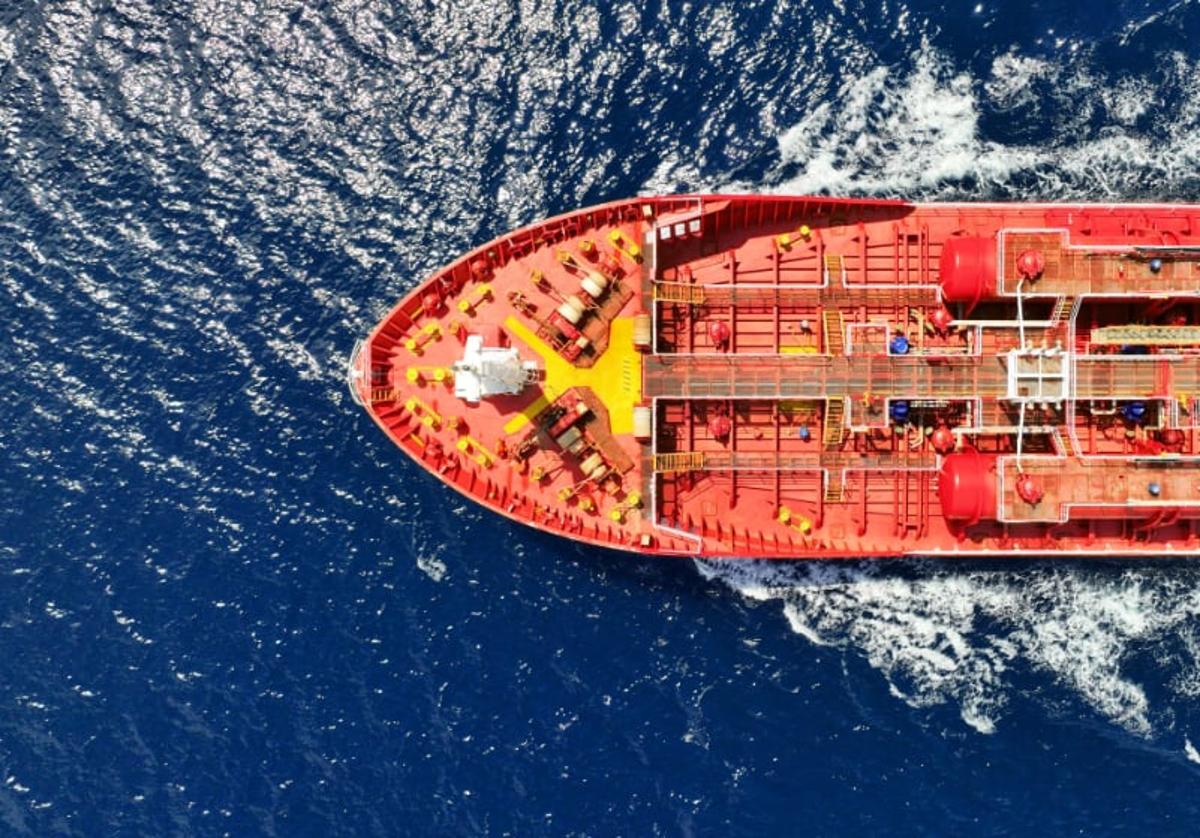
Gulf Blockade Piles Pressure on Textile Chemicals
Why It Matters
Disruptions in Gulf oil flows directly elevate petrochemical costs, squeezing margins for dye and auxiliary producers and accelerating supply‑chain diversification. The shift pressures firms to invest in resilient sourcing and alternative feedstocks, reshaping the competitive landscape.
Key Takeaways
- •Gulf blockade turns risk into operational constraint for petrochemical supply
- •Strait of Hormuz supplies roughly 20% of world oil, affecting dyes
- •Higher energy costs and logistics fragility drive pricing pressure
- •Suppliers explore alternative feedstocks and regional sourcing strategies
Pulse Analysis
The Gulf blockade’s ripple effect on textile chemicals underscores how geopolitical shocks can quickly translate into material shortages. With the Strait of Hormuz handling about one‑fifth of global oil, any interruption tightens the feedstock pipeline for petrochemical derivatives used in dyes and auxiliaries. This scarcity pushes up base oil prices, which in turn inflates the cost structure for manufacturers ranging from large multinational producers to niche specialty firms. Companies are now scrambling to secure contracts that hedge against volatile freight rates and unpredictable supply windows.
Beyond immediate price spikes, the blockade accelerates a strategic pivot toward supply‑chain resilience. Executives at Transfar and Tanatex highlight a growing emphasis on diversifying feedstock sources, including increased reliance on European and Asian petrochemical hubs. Investment capital is being redirected toward on‑shore production facilities and recycling technologies that can reduce dependence on Gulf‑derived inputs. Simultaneously, tighter environmental compliance adds another layer of complexity, prompting firms to adopt greener chemistries that may be less sensitive to oil price fluctuations.
For investors and industry watchers, the evolving scenario signals both risk and opportunity. Firms that swiftly adapt—by locking in long‑term supply contracts, expanding regional manufacturing footprints, or innovating low‑energy dye processes—stand to protect margins and capture market share. Conversely, companies lagging in supply‑chain redesign may face eroding profitability as input costs remain volatile. The Gulf blockade thus serves as a catalyst, reshaping the competitive dynamics of the global textile chemicals sector and prompting a reevaluation of long‑term strategic investments.
Gulf blockade piles pressure on textile chemicals
Comments
Want to join the conversation?
Loading comments...