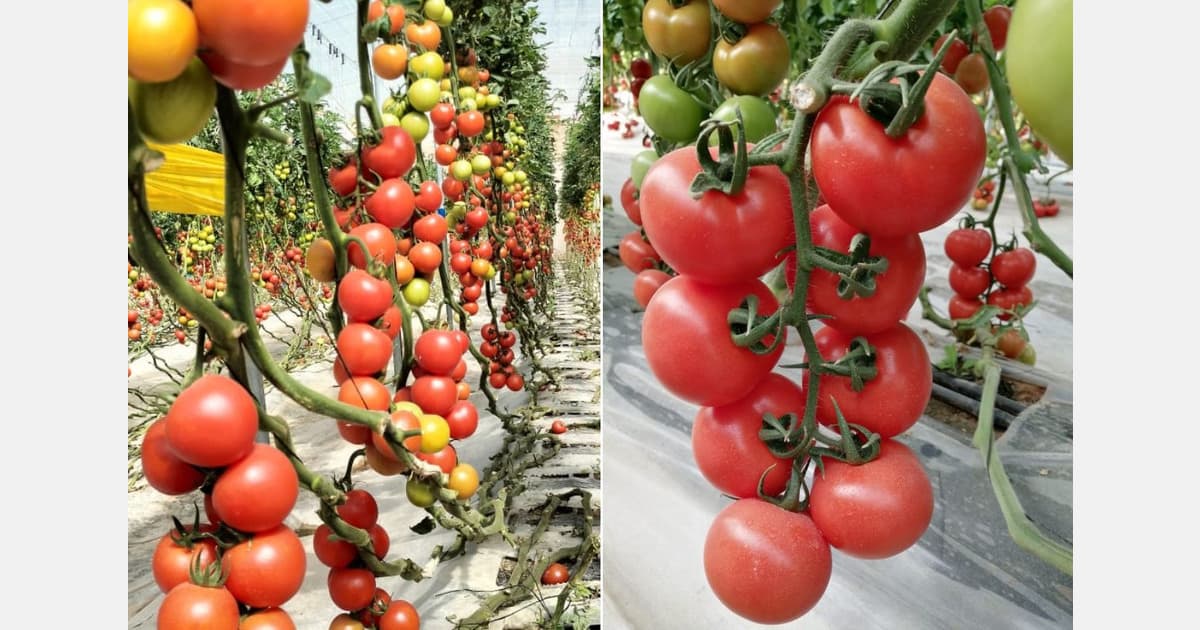
Halt on Moroccan Tomato Exports More Nuanced According to APEFEL and FIFEL
Why It Matters
The clarification averts potential trade disruptions for European and African buyers while highlighting structural supply‑chain flaws that could affect Morocco’s position as a key tomato exporter.
Key Takeaways
- •No official export ban; only a temporary freeze on some tomato segments
- •Local prices surged to ~0.38 USD/kg, production costs ~0.62 USD/kg
- •Growers face pest threats like Tuta absoluta and post‑storm greenhouse loss
- •Intermediaries inflate prices; reforms could standardize grading and margins
- •Exports subsidize domestic market, keeping Moroccan tomatoes competitive abroad
Pulse Analysis
Rumors of a sweeping Moroccan tomato export ban have rattled importers across Europe and Africa, but industry bodies APEFEL and FIFEL stress that the situation is far more nuanced. While authorities have not issued a formal prohibition, they have asked certain cherry‑tomato growers to prioritize the domestic market, resulting in a temporary pause on specific fresh and processed shipments. This measured approach aims to relieve acute price spikes that have pushed retail rates to about $0.38 per kilogram, well above the $0.62 per kilogram cost of production, and to reassure foreign buyers that supply will resume once local demand stabilizes.
The root of the price surge lies in a perfect storm of agricultural challenges. Persistent infestations by the South American tomato pinworm (Tuta absoluta), coupled with mildew and gray mold, have trimmed yields. Compounding the problem, a severe storm in late February devastated many greenhouse structures, further constraining output. Beyond these biological and climatic factors, the Moroccan distribution network suffers from a proliferation of middlemen who double or even triple farmgate prices before they reach market stalls. Stakeholders argue that reforms—such as standardising size grades, capping intermediary margins, and allowing growers to sell directly to consumers—could restore price equilibrium without resorting to export bans.
For European and African purchasers, the temporary export freeze signals a short‑term supply gap rather than a long‑term market exit. Importers should monitor price trends and consider diversifying sources while Moroccan exporters work to resolve domestic bottlenecks. If the government adopts the suggested distribution reforms, Morocco could quickly rebound, preserving its reputation as a reliable, cost‑effective tomato supplier in the global market.
Halt on Moroccan tomato exports more nuanced according to APEFEL and FIFEL
Comments
Want to join the conversation?
Loading comments...