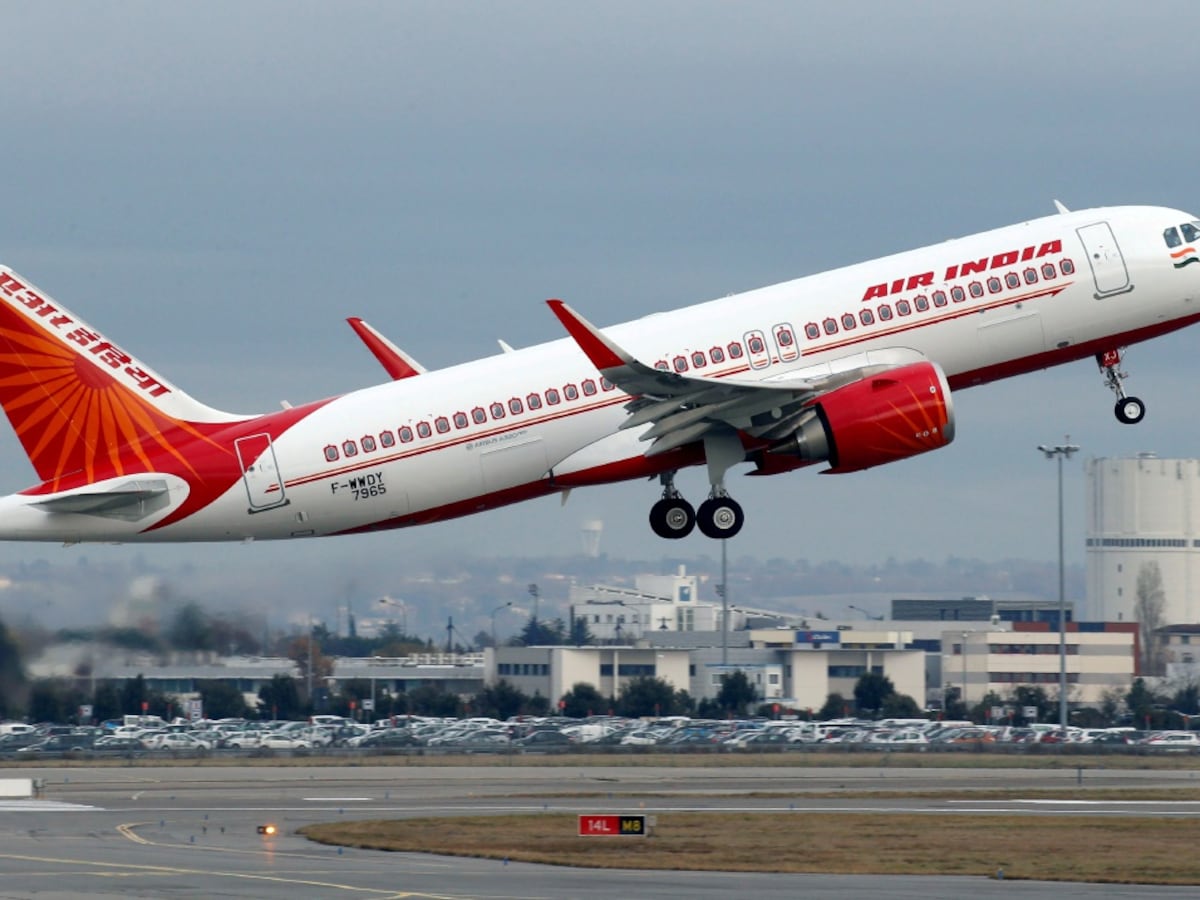
Hormuz Closure Forces Global Jet Fuel Trade Into Costly Rerouting Scramble
Companies Mentioned
Why It Matters
The rerouting raises operating costs for airlines and strains global fuel logistics, threatening tighter supplies and higher fares as the Hormuz blockage persists.
Key Takeaways
- •Hormuz closure cut 400k bpd jet fuel, raising prices above $200.
- •Europe offsets loss with US, Nigeria, India shipments, longer routes.
- •Jet‑fuel costs could add $14 bn to airlines in 2026.
- •Stocks at Europe's ARA hub hit lowest since March, Singapore low.
- •Wood Mackenzie forecasts hub prices near $300/barrel if disruption persists.
Pulse Analysis
The Strait of Hormuz has long been a chokepoint for energy flows, and its recent closure removed a critical artery for jet‑fuel exports. Around 400,000 barrels per day that once sailed through the narrow waterway now must travel thousands of extra miles, forcing traders to tap unconventional sources in the United States, West Africa and India. This logistical scramble highlights the inherent flexibility of the global fuel supply chain, yet also exposes its dependence on short, cost‑efficient routes that can be disrupted by geopolitical events.
Higher transportation costs, insurance premiums and longer transit times have pushed European jet‑fuel benchmarks past $200 a barrel, a record level that quickly filtered through to airline balance sheets. Carriers, which allocate 30‑40% of operating expenses to fuel, are passing a portion of the increase to passengers, but the cumulative impact is projected to add roughly $14 billion to industry fuel spend in 2026. Meanwhile, strategic storage hubs such as the Amsterdam‑Rotterdam‑Antwerp complex are seeing inventory drawdowns to their lowest levels since March, and Singapore’s middle‑distillate stocks sit near two‑month lows, tightening the market further.
If the Hormuz impasse endures into late 2026, analysts warn of a shift from a flexible, price‑driven market to one marked by genuine scarcity. Wood Mackenzie projects hub prices could approach $300 a barrel, while the International Energy Agency flags potential shortages in Europe by June. Airlines may need to accelerate reserve building, governments could relax import restrictions, and long‑term diversification of jet‑fuel sources—such as expanding sustainable aviation fuel production—will become a strategic priority to mitigate future geopolitical shocks.
Hormuz closure forces global jet fuel trade into costly rerouting scramble
Comments
Want to join the conversation?
Loading comments...