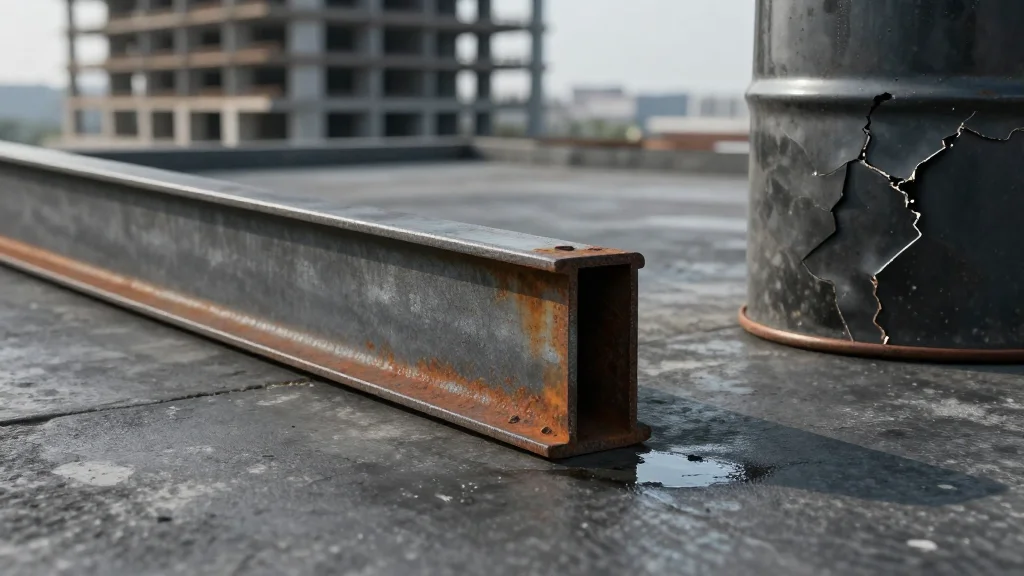
Hormuz Closure Stalls Construction Projects as Material Costs Soar
Why It Matters
Disruptions in Hormuz jeopardize the Gulf’s multi‑billion‑dollar construction pipeline, raising project risks and prompting a reassessment of supply‑chain resilience across the region’s booming real‑estate sector.
Key Takeaways
- •Hormuz shutdown adds 2‑3 week delays to bulk material shipments
- •Freight rates now exceed $2,000 per 20‑foot container
- •Material prices have risen 15‑20% since closure
- •Major Gulf projects face budget overruns and timeline slips
- •Alternative routes increase logistics costs by 30%
Pulse Analysis
The Strait of Hormuz, a chokepoint for roughly a third of the world’s oil and a critical artery for bulk commodities, has been effectively sealed off by naval activity and regional disputes. While the immediate focus has been on energy markets, the ripple effect on construction supply chains is profound. Bulk carriers that once transited the strait in a matter of days now face detours around the Cape of Good Hope, adding thousands of nautical miles and inflating freight costs to over $2,000 per twenty‑foot container. This logistical shock is felt most acutely in the Gulf Cooperation Council (GCC) where mega‑projects rely on just‑in‑time deliveries of steel, cement and aggregates.
The cost shock quickly translated into higher material prices on the ground. Industry surveys indicate a 15‑20 percent surge in steel and cement costs since the closure, outpacing inflation in most GCC economies. Contractors are scrambling to renegotiate contracts, absorb overruns, or pause work altogether. High‑rise towers in Dubai, a new airport terminal in Riyadh, and several offshore wind foundations have reported schedule slips, threatening to delay revenue streams and erode investor confidence. The price pressure also squeezes margins for local fabricators who lack the scale to absorb freight spikes.
In response, firms are diversifying supply routes and exploring regional stockpiling strategies. Some are shifting to rail‑linked ports in the Red Sea, while others are sourcing from Turkey and Eastern Europe, albeit at higher unit costs. The longer‑term implication is a strategic reassessment of supply‑chain risk, with many developers now factoring geopolitical volatility into project budgeting. If the Hormuz impasse persists, the GCC construction sector could see a slowdown in new starts, prompting a shift toward more resilient, locally sourced materials and a reevaluation of growth forecasts.
Hormuz closure stalls construction projects as material costs soar
Comments
Want to join the conversation?
Loading comments...