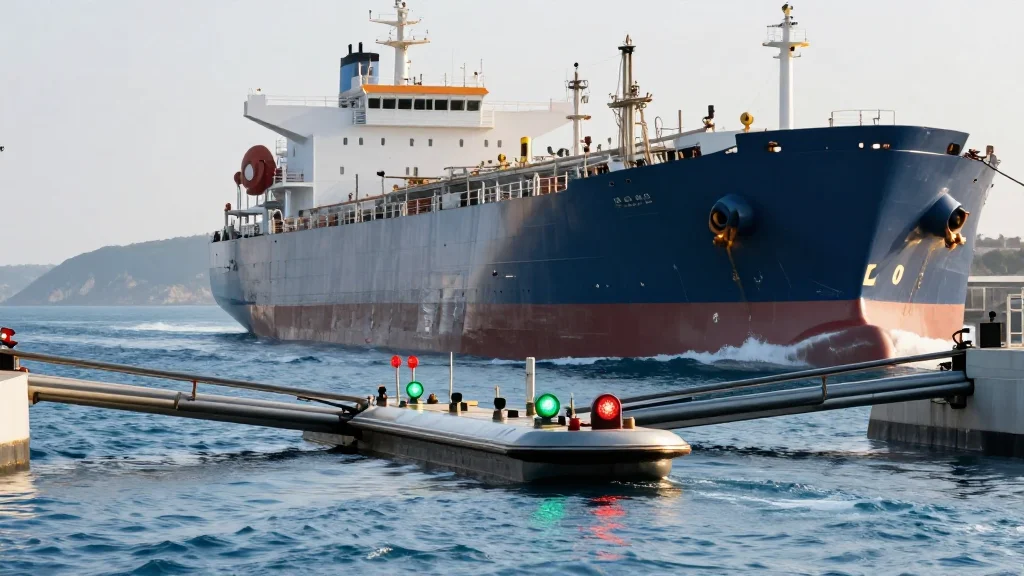
Hormuz Strait Will Be Open but with Transit Fees, Iran Envoy to Moscow Quoted
Why It Matters
Charging tolls could increase shipping costs and reshape global oil pricing, while heightening U.S.-Iran tensions over navigation rights.
Key Takeaways
- •Iran and Oman plan to charge transit fees for Hormuz passage
- •Fees will vary by vessel type, cargo, and conditions
- •U.S. warns Oman against supporting the toll
- •Japan’s tanker crossed without paying a fee in May
Pulse Analysis
The Strait of Hormuz has long been a chokepoint for global energy markets, handling roughly 20% of world oil before the current U.S.-Israeli conflict with Iran. By proposing a fee structure, Tehran and Muscat are seeking to monetize the strategic service they provide, turning a security asset into a revenue stream. This move reflects Iran’s broader strategy to leverage its geographic leverage amid sanctions, while Oman’s involvement signals a rare regional partnership that could reshape the economics of Gulf transit.
Washington’s swift objection underscores the geopolitical stakes. The U.S. administration has warned Oman that participation in a fee regime would breach international norms and could invite retaliatory measures, reinforcing a broader policy of containing Iran’s influence. If implemented, the tolls could add $1‑$5 per barrel to transport costs, pressuring refiners and potentially nudging oil prices higher. Shipping companies may reroute around the Cape of Good Hope, increasing voyage times and emissions, while insurers could adjust premiums for heightened risk.
For markets, the uncertainty surrounding the fee proposal adds a new variable to oil price forecasts. Traders will monitor diplomatic talks between Tehran, Muscat, and Washington for clues on implementation timelines. Meanwhile, countries heavily dependent on Middle Eastern oil, such as Japan, are scrutinizing compliance and cost implications. If the tolls become operational, they could generate significant revenue for Iran—potentially billions annually—while also testing the resilience of global supply chains and the effectiveness of U.S. diplomatic pressure.
Hormuz strait will be open but with transit fees, Iran envoy to Moscow quoted
Comments
Want to join the conversation?
Loading comments...