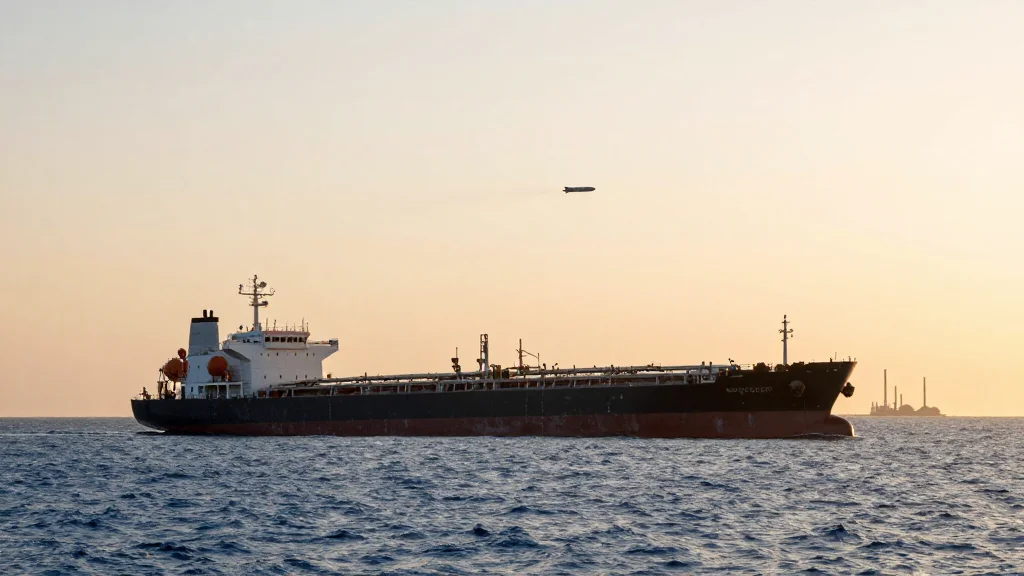
Houthis Enter the Fray as Israel and Iran Trade Missiles
Companies Mentioned
Why It Matters
The heightened Israel‑Iran conflict revives geopolitical risk premiums, threatening oil supply chains and inflating tanker freight rates, which could ripple through global energy prices and trade balances.
Key Takeaways
- •Israel hit Iranian petrochemical plant; Iran launched missiles in retaliation
- •Houthis declared navigation ban on Israeli vessels in Red Sea
- •Brent crude rose to $97/barrel, up 5% on conflict news
- •Potential Hormuz closure could cut 20% of global oil flow
- •US product tanker exports surge, filling gap from Middle East
Pulse Analysis
The recent exchange between Israel and Iran marks the first direct combat since the April cease‑fire, raising the specter of a broader regional war. Israel’s strike on a southwestern Iranian petrochemical complex and Tehran’s missile barrage over northern Israel have already pushed Brent crude up nearly 5% to about $97 per barrel. Analysts see the price move as a risk premium for potential supply disruptions, especially given the proximity of the fighting to the Strait of Hormuz, a chokepoint that moves roughly one‑fifth of the world’s oil daily.
At the same time, Yemen’s Houthi movement announced a “full navigation ban” on Israeli‑linked vessels in the Red Sea, further complicating maritime logistics. While security firms caution the ban is not absolute, operators are now required to conduct enhanced affiliation screening, adding operational costs and delays. The combined threat to Red Sea routes and a possible closure of Hormuz could compress tanker freight rates, as risk‑adjusted premiums rise and shippers scramble for alternative supply lines. Braemar warns that intermittent reopenings could exacerbate supply‑demand imbalances, pressuring freight markets.
In response, U.S. refiners have stepped into the void, boosting product tanker exports to markets traditionally served by the Gulf, including Latin America, Australia, Turkey and Namibia. This surge has temporarily lifted tanker earnings, but analysts at Poten & Partners note that freight gains are moderating as trade patterns stabilize. The longer the Hormuz bottleneck persists, the greater the strain on global refined‑product inventories, which could trigger demand destruction and lower tanker rates. Conversely, a swift reopening would restore normal flow, supporting freight markets and easing price pressures.
Houthis enter the fray as Israel and Iran trade missiles
Comments
Want to join the conversation?
Loading comments...