How the 14-Point U.S.-Iran MOU Could Reshape Global Supply Chains
Why It Matters
Reopening the Strait of Hormuz will lower energy prices and insurance premiums, directly reducing freight costs and improving predictability for global supply chains.
Key Takeaways
- •MOU includes immediate ceasefire and reopening Strait of Hormuz within 30 days
- •U.S. will lift naval blockade; Iran to clear mines, restoring pre‑war traffic
- •Treasury waivers allow Iranian oil exports, unlocking $24 B frozen assets
- •$300 B regional development plan targets infrastructure and trade growth
- •Lower oil prices expected to cut diesel and jet fuel costs
Pulse Analysis
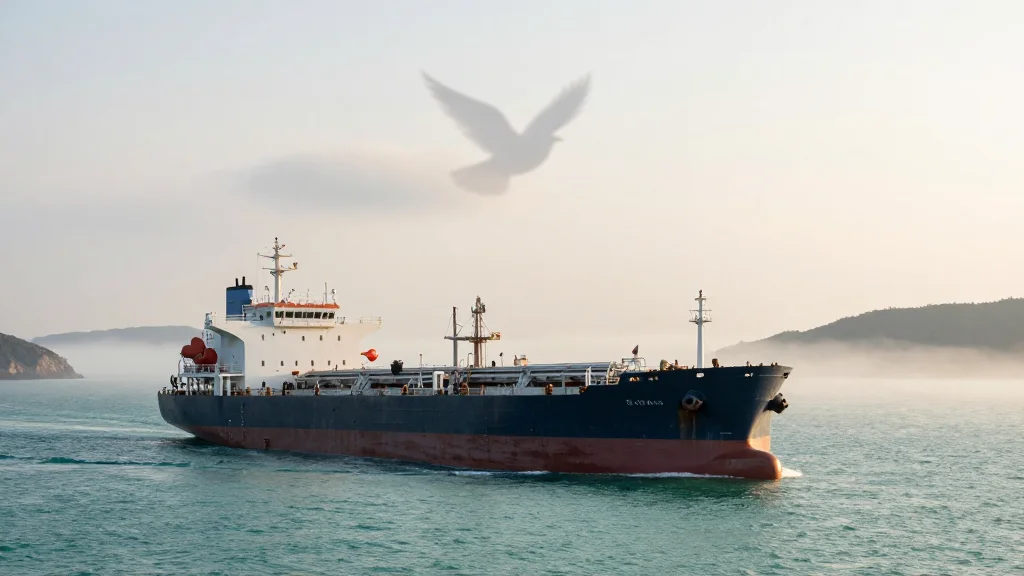
The 14‑point U.S.–Iran memorandum marks a rare diplomatic breakthrough in a region where a single waterway can dictate global energy markets. The Strait of Hormuz, a chokepoint that once moved roughly one‑fifth of the world’s oil, was shut down by conflict earlier this year, sending crude prices soaring and forcing carriers to detour around the Cape of Good Hope. By committing to a cease‑fire, lifting the U.S. naval blockade and tasking Iran with mine clearance, the agreement promises to restore near‑pre‑war traffic within a month, instantly re‑balancing supply and dampening the price spikes that have rippled through freight markets.
For logistics professionals, the most tangible benefit will be a decline in fuel‑related expenses. Diesel and jet fuel prices, which have been buoyed by the Hormuz disruption, are expected to fall as oil markets stabilise. Lower fuel costs translate into reduced operating expenses for trucking fleets, rail operators and ocean carriers, while the anticipated drop in war‑risk insurance premiums will further trim overhead. The timing is critical, as the U.S. Strategic Petroleum Reserve sits at a historic low of about 340 million barrels, making any easing of supply pressures essential to avoid additional emergency releases that could further distort markets.
Nevertheless, the MOU’s optimism is tempered by practical challenges. Clearing mines, repositioning vessels and renegotiating freight contracts will take weeks, if not months, and insurers may adopt a cautious approach before fully adjusting premiums. Companies should proactively review fuel surcharge clauses, force‑majeure language and diversify carrier portfolios to hedge against lingering volatility. If the 60‑day nuclear talks succeed, broader sanctions relief could unlock even more Iranian oil, reinforcing the downward pressure on energy costs and offering a more stable backdrop for global supply chains through late summer and beyond.
How the 14-Point U.S.-Iran MOU Could Reshape Global Supply Chains
Comments
Want to join the conversation?
Loading comments...