How to Think About Foreign Policy in the New Geoeconomic Era
Why It Matters
The crisis shows how geopolitical moves can trigger global economic shocks, forcing governments to treat trade infrastructure as a national‑security priority.
Key Takeaways
- •Iran’s Hormuz blockade threatens food security for 45 million people
- •UK pushes for toll‑free navigation, citing law of the sea
- •Geoeconomic volatility now drives foreign policy, not just military power
- •Critical mineral competition intensifies as China safeguards its production lead
- •U.S. tariffs reach 1930s‑high levels, reshaping global trade rules
Pulse Analysis
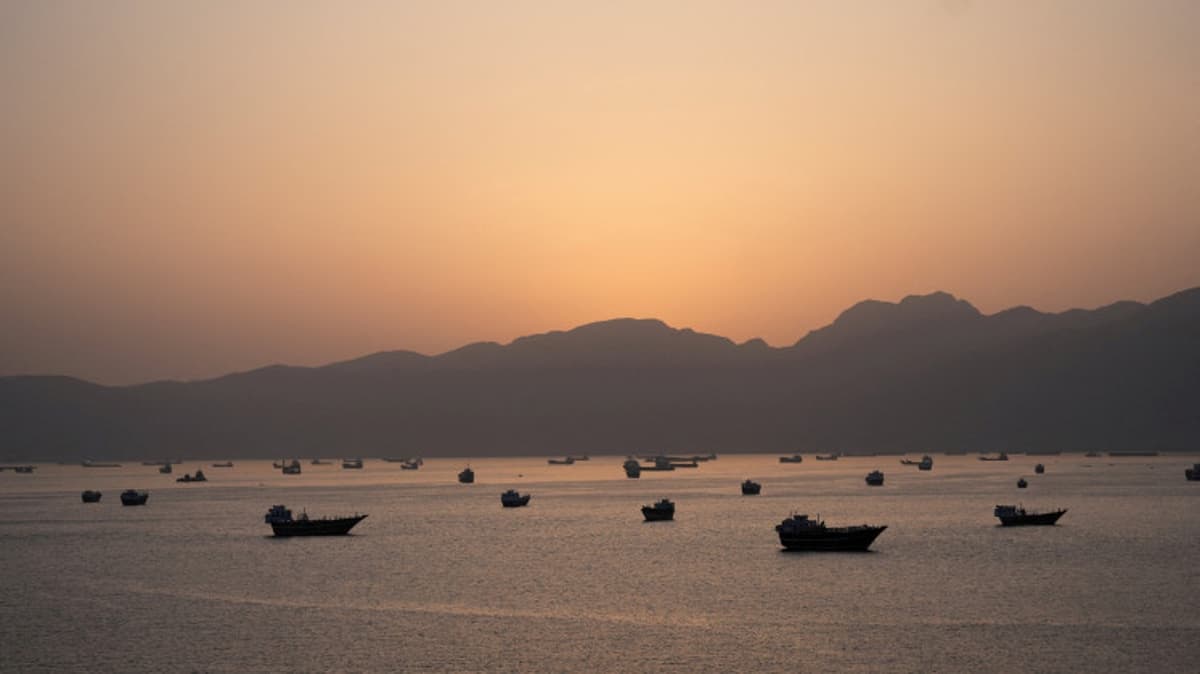
The Strait of Hormuz, through which roughly a fifth of the world’s oil passes, has become a flashpoint that reverberates far beyond the Middle East. Iran’s recent threats to impose tolls and restrict navigation have already nudged crude prices upward and disrupted shipments of fertilizer and grain, prompting the World Food Programme to warn that 45 million people in low‑income nations could face acute hunger before summer’s end. British Foreign Secretary Yvette Cooper’s diplomatic push for an unrestricted reopening underscores how quickly a regional dispute can translate into a global economic emergency.
The Hormuz episode is the latest illustration of a broader transition to a geoeconomic era, where states wield trade instruments as weapons of policy. Supply chains that once served pure commercial purposes are now classified as strategic assets, especially for critical minerals such as lithium, cobalt and rare earths that power electric vehicles and defense systems. China’s dominance in these markets gives it leverage, while the United States has responded with tariffs that have surged to levels not seen since the 1930s, reshaping the rules of global commerce.
Policymakers now face the challenge of integrating economic security into traditional foreign‑policy frameworks. Protecting maritime chokepoints, diversifying mineral supply sources, and establishing multilateral agreements on trade‑related coercion are emerging priorities for democracies seeking to preserve a rules‑based order. As the United Kingdom and its allies press for free navigation in Hormuz, the episode serves as a warning that without coordinated economic‑defence strategies, future disputes could quickly cascade into worldwide supply shocks, undermining growth and stability.
How to think about foreign policy in the new geoeconomic era
Comments
Want to join the conversation?
Loading comments...