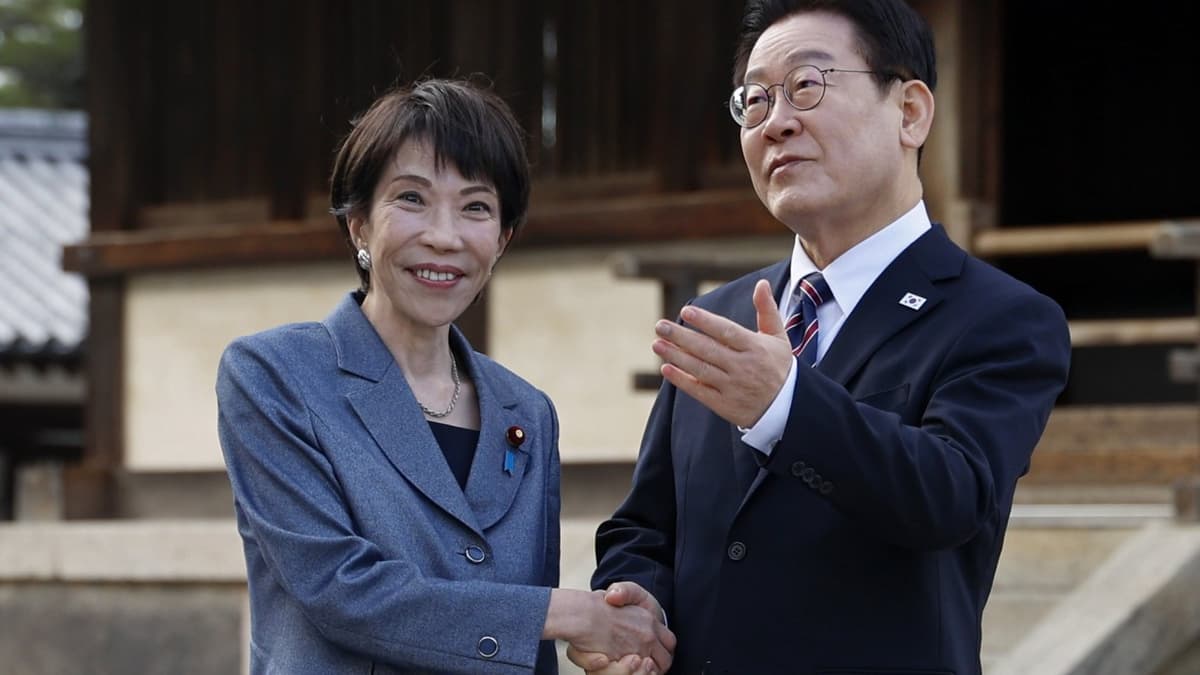
How Trump Is Inadvertently Bringing Japan, South Korea Together
Why It Matters
The rapprochement strengthens a critical counterweight to China and mitigates risks from a potentially disengaged U.S. ally, reshaping East Asian security dynamics. It signals to markets and policymakers that regional stability now hinges on Japan‑South Korea coordination rather than sole reliance on U.S. guarantees.
Key Takeaways
- •Japan and South Korea schedule two‑plus‑two defense talks in May.
- •Both nations seek deeper intelligence sharing against North Korean threats.
- •Trump’s potential troop withdrawals push allies toward regional self‑reliance.
- •China’s assertiveness accelerates Japan‑South Korea security coordination.
- •Historical disputes remain, but security concerns dominate agenda.
Pulse Analysis
The Trump administration’s erratic stance on overseas deployments has rattled traditional security arrangements in East Asia. By threatening to pull U.S. forces from Europe and hinting at a broader pullback, Washington has inadvertently nudged its key allies—Japan and South Korea—to reassess their reliance on American guarantees. This shift is prompting both capitals to explore a more autonomous security posture, emphasizing bilateral cooperation as a hedge against U.S. policy volatility.
In response, Tokyo and Seoul have fast‑tracked a series of diplomatic engagements. A vice‑ministerial “two‑plus‑two” dialogue is set for early May, followed by a senior defense minister visit in June. The agenda spans intelligence sharing on North Korean missile development, joint sanctions enforcement, and coordination on critical mineral supply chains. Both sides also plan to align contingency plans for potential flashpoints in the Korean Peninsula and the Taiwan Strait, while keeping historical grievances on a secondary track.
The emerging Japan‑South Korea partnership carries broader strategic implications. A tighter trilateral framework with the United States could restore confidence in the region’s collective defense architecture, reassuring investors and multinational firms operating in the supply‑chain‑intensive technology sector. At the same time, it signals to Beijing that regional actors are prepared to act collectively, potentially moderating Chinese assertiveness. For policymakers, the development underscores the necessity of a predictable U.S. commitment to maintain its influence in a rapidly shifting Indo‑Pacific landscape.
How Trump is inadvertently bringing Japan, South Korea together
Comments
Want to join the conversation?
Loading comments...