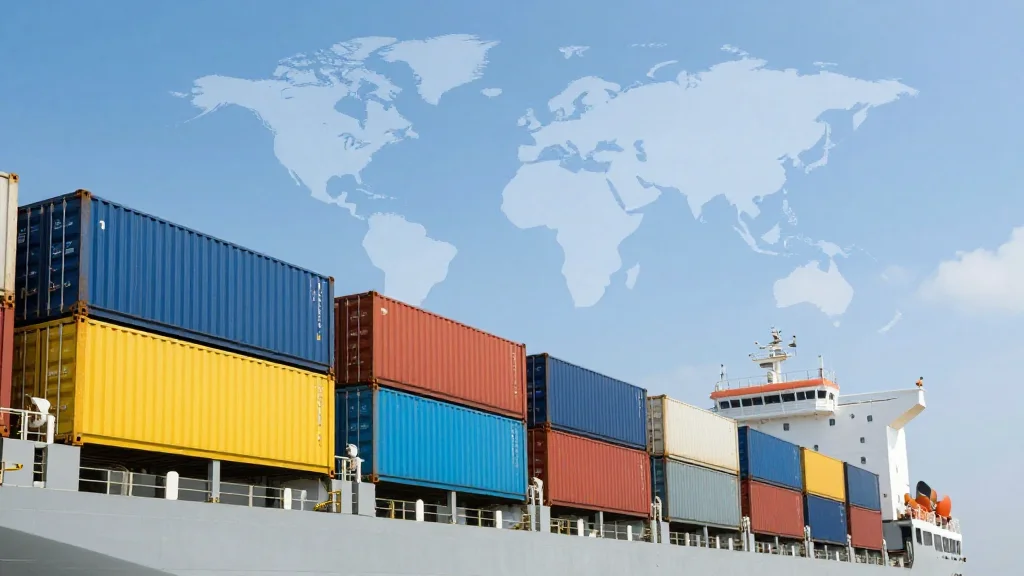
How Trump's Tariffs Ripped up the Global Trade Order
Why It Matters
The reshaped trade flows reshape competitive dynamics, influencing profit margins and investment decisions across major economies. Understanding these shifts is essential for businesses navigating heightened protectionism and supply‑chain volatility.
Key Takeaways
- •US tariffs shifted supply chains to Asia.
- •Europe faced higher input costs, slowing growth.
- •China leveraged gaps, expanding market share.
- •Multinationals increased reshoring investments.
- •New regional agreements emerged amid protectionism.
Pulse Analysis
Trump’s tariff strategy, launched in 2025 under the banner of "Liberation Day," marked a decisive break from post‑World II multilateralism. By imposing steep duties on steel, aluminum, and a swath of consumer goods, the United States signaled a willingness to prioritize domestic industry over global supply‑chain efficiency. The move prompted retaliatory measures from the European Union and China, eroding the predictability that multinational corporations had long relied upon and prompting a re‑evaluation of risk management practices.
The immediate fallout reshaped manufacturing geography. Companies facing 25‑30% tariff hikes accelerated moves to Vietnam, Malaysia, and Mexico, where tariff exemptions or lower duties applied. Europe, already contending with energy price spikes, saw manufacturing costs rise, dampening GDP growth forecasts. Meanwhile, China filled the void left by U.S. exporters, capturing market share in sectors from automotive components to consumer electronics. This realignment has spurred a wave of reshoring and nearshoring investments, as firms balance cost pressures against geopolitical risk.
Looking ahead, the trade landscape is likely to fragment further. Regional trade agreements such as the Indo‑Pacific Economic Framework and a revitalized EU‑UK partnership aim to create alternative rules‑of‑origin and dispute‑resolution mechanisms. For businesses, the key will be agility: diversifying supplier bases, leveraging digital trade platforms, and monitoring policy shifts closely. As protectionist sentiment persists, firms that embed flexibility into their supply chains will be better positioned to thrive amid the new, more compartmentalized global trade order.
How Trump's tariffs ripped up the global trade order
Comments
Want to join the conversation?
Loading comments...