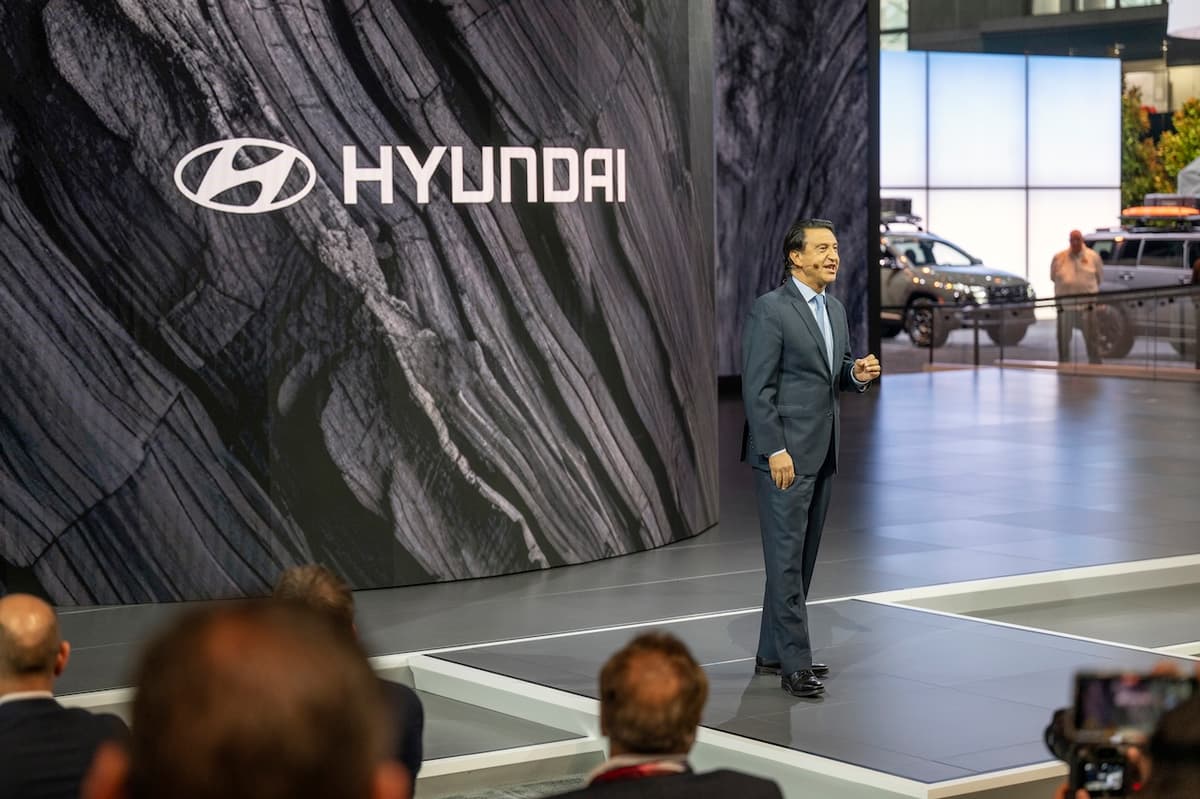
Hyundai Auto Profits Strained by yet Another Economic Crisis
Why It Matters
The profit drop highlights how geopolitical tensions and trade policies can quickly erode earnings for global automakers, reshaping market share and investment outlooks.
Key Takeaways
- •Operating profit fell 30.8% to KRW 2.5 trillion (~$1.9 B).
- •U.S. tariffs and Middle East war cited as primary pressures.
- •Exports to Europe, Africa, Middle East face disruption risk.
- •Hyundai may pursue cost cuts and supply‑chain diversification.
- •Profit decline could affect Hyundai’s competitive positioning globally.
Pulse Analysis
The automotive sector is feeling the double‑hit of protectionist trade measures and geopolitical instability. U.S. tariffs on Korean‑made vehicles have raised import duties by up to 25%, squeezing Hyundai’s pricing power in its largest overseas market. At the same time, the war in the Middle East has disrupted sea lanes and overland routes that feed European and African dealerships, forcing the company to reroute cargo at higher cost. Together, these forces have driven a 30.8% plunge in Hyundai’s Q1 operating profit, underscoring the fragility of global supply chains when politics intervene.
Hyundai’s exposure stems from its aggressive export strategy, which accounts for roughly 60% of total sales. The KRW 2.5 trillion (≈$1.9 billion) profit figure reflects not only lower margins from tariff‑inflated pricing but also anticipated revenue shortfalls as shipments to Europe, Africa and the Middle East face delays or cancellations. In response, the automaker is accelerating cost‑reduction programs, including workforce rationalization and platform consolidation, while exploring alternative logistics hubs in Southeast Asia to bypass conflict‑prone corridors. Analysts note that a swift diversification of its supply chain could preserve cash flow and protect market share against rivals less dependent on the affected regions.
The broader industry watches Hyundai’s predicament as a cautionary tale of how external shocks can reverberate through earnings. Investors are likely to reassess exposure to regions with heightened geopolitical risk, and other manufacturers may pre‑emptively hedge against similar disruptions by localizing production or securing long‑term freight contracts. For Hyundai, the next few quarters will test its ability to balance short‑term profitability with strategic resilience, a dynamic that could reshape competitive dynamics in the global automotive market.
Hyundai auto profits strained by yet another economic crisis
Comments
Want to join the conversation?
Loading comments...