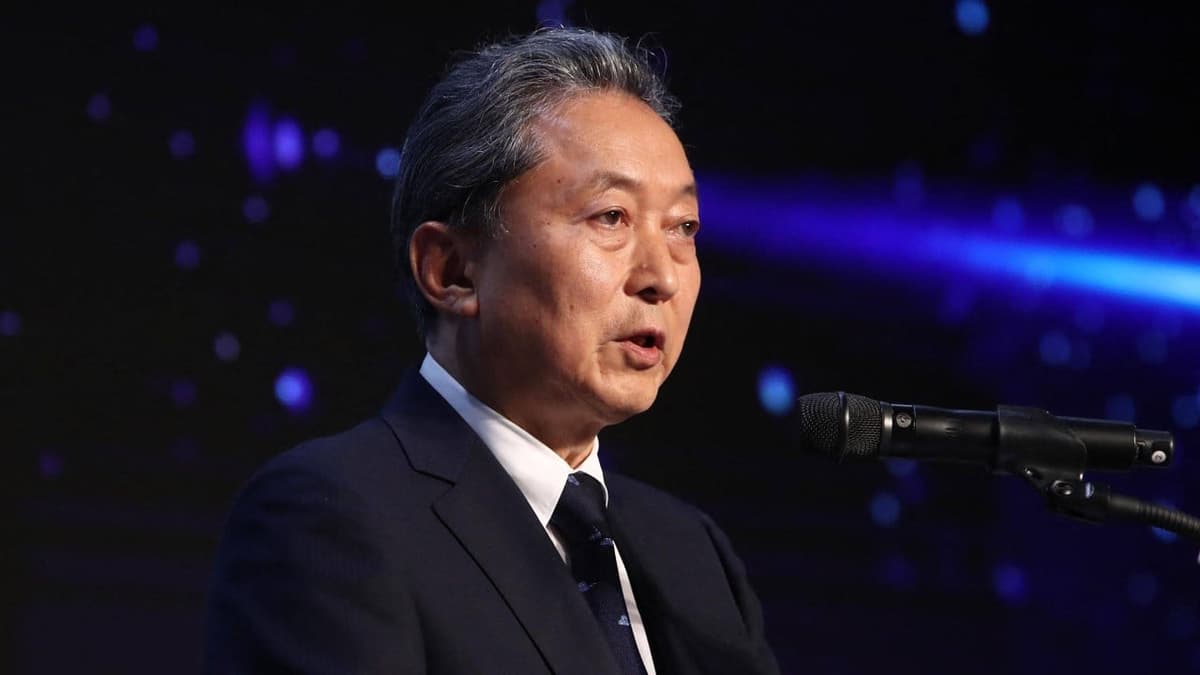
In a Fragmenting Global Order, Former Japanese Leader Urges Pivot to China
Why It Matters
The call underscores a strategic split in Japan between deepening US alignment and engaging China, a divide that could reshape East Asian security, trade flows, and investment patterns.
Key Takeaways
- •Hatoyama urges Japan-China cooperation against perceived US unilateralism
- •Tokyo’s current leader pushes US alignment and defence spending increase
- •China retaliates with export bans and travel warnings over Japan’s Taiwan stance
- •Constitutional revision debate heightens security tensions between Japan and China
- •People‑to‑people exchanges cited as essential for future diplomatic improvement
Pulse Analysis
The backdrop to Hatoyama’s remarks is a global order increasingly unsettled by the United States under President Donald Trump. Unilateral actions—ranging from the Iran strike to the withdrawal from the Paris Climate Accord—have prompted regional powers to reassess their strategic calculations. In this climate, former leaders like Hatoyama argue that Japan and China, as the two largest economies in East Asia, can form ad‑hoc coalitions to counterbalance Washington’s assertiveness and preserve stability.
Tokyo’s current policy, championed by Prime Minister Sanae Takaichi, leans heavily on the US security umbrella while accelerating defence spending, revising the national security strategy, and pursuing a controversial amendment of Article 9. Beijing has responded with a suite of economic measures, including bans on dual‑use exports, seafood restrictions, and travel warnings, after Japan’s vocal stance on Taiwan and its push to revise the pacifist constitution. These moves deepen mistrust and raise the stakes for businesses that rely on cross‑border supply chains, especially in high‑tech components and seafood markets.
For investors and multinational firms, the evolving Japan‑China dynamic signals both risk and opportunity. While heightened tensions could disrupt trade flows and increase compliance costs, Hatoyama’s emphasis on people‑to‑people exchanges suggests a diplomatic avenue that may mitigate escalation. Companies that cultivate bilateral partnerships, diversify sourcing, and monitor policy shifts will be better positioned to navigate a region where strategic realignments are reshaping the competitive landscape.
In a fragmenting global order, former Japanese leader urges pivot to China
Comments
Want to join the conversation?
Loading comments...