India Supports Draft WTO Fish Declaration, Says Subsidised Industrial Fleets Cause Overfishing
Why It Matters
The stance could shape global rules that curb harmful subsidies while safeguarding vulnerable fishing communities, influencing trade dynamics and marine conservation.
Key Takeaways
- •WTO draft targets industrial fleet subsidies causing overfishing
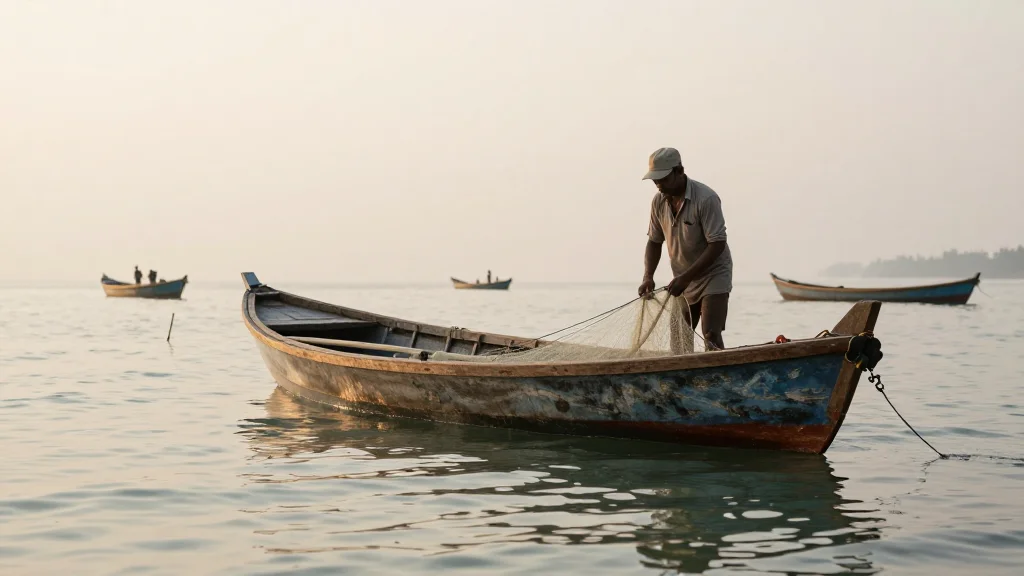
- •India stresses protection for 9 million small‑scale fishermen
- •Special and differential treatment highlighted for developing nations
- •Annual fishing ban showcases India's long‑standing conservation
Pulse Analysis
The World Trade Organization is intensifying its focus on fisheries subsidies after mounting evidence that heavily subsidised industrial fleets are inflating global fishing capacity and depleting stocks. Overcapacity not only threatens marine ecosystems but also distorts competition, giving subsidised operators an unfair advantage over nations that adhere to sustainable practices. By proposing comprehensive disciplines, the WTO aims to level the playing field, curb illegal, unreported, and unregulated (IUU) fishing, and preserve the roughly 3.5 trillion dollars annual value of the global seafood market.
India’s endorsement of the draft reflects a nuanced diplomatic balance: it supports stricter rules on harmful subsidies while insisting that any regime must incorporate special and differential treatment for developing economies. Minister Piyush Goyal highlighted that more than 9 million Indian fishers operate small, artisanal vessels that depend on seasonal bans and community‑based stewardship. By foregrounding these livelihoods, New Delhi seeks to ensure that future WTO provisions do not penalise vulnerable coastal populations, but rather channel support toward sustainable, low‑impact fishing methods that align with food‑security goals.
The outcome of these negotiations will reverberate across trade and environmental policy arenas. If the WTO adopts robust subsidy disciplines, exporting nations with large industrial fleets may need to restructure financing, potentially reshaping global supply chains and price dynamics. Conversely, developing countries could gain greater market access for responsibly caught products, enhancing their bargaining power in international markets. The forthcoming Fifteenth Ministerial Conference will be a litmus test for whether the WTO can reconcile economic development with marine conservation, setting a precedent for future sector‑specific trade rules.
India supports draft WTO fish declaration, says subsidised industrial fleets cause overfishing
Comments
Want to join the conversation?
Loading comments...