India’s Softer Tone on Bangladesh Hits a Hard Note in Assam
Why It Matters
Escalating rhetoric threatens the fragile India‑Bangladesh partnership that underpins regional trade, security and river‑water management, risking costly diplomatic setbacks.
Key Takeaways
- •Assam CM wishes India‑Bangladesh ties to deteriorate
- •Bangladesh summoned India’s acting High Commissioner over the remarks
- •Push‑in operations fuel border mistrust and occasional citizen misidentification
- •Delhi appoints veteran Dinesh Trivedi to signal a diplomatic reset
- •Divergent state and national narratives risk undermining regional connectivity projects
Pulse Analysis
India and Bangladesh share a 4,000‑kilometre border that is both a conduit for commerce and a flashpoint for security concerns. Over the past decade New Delhi has pursued a “reset” agenda, seeking smoother trade flows, joint infrastructure such as the India‑Bangladesh rail link, and cooperative water‑sharing arrangements for the Ganges‑Brahmaputra system. The appointment of veteran politician‑turned‑diplomat Dinesh Trivedi as ambassador signals a high‑level commitment to this agenda, even as Bangladesh navigates its own political transition. Maintaining a stable partnership is essential for India’s broader eastern strategy, which views Dhaka as a linchpin for regional connectivity.
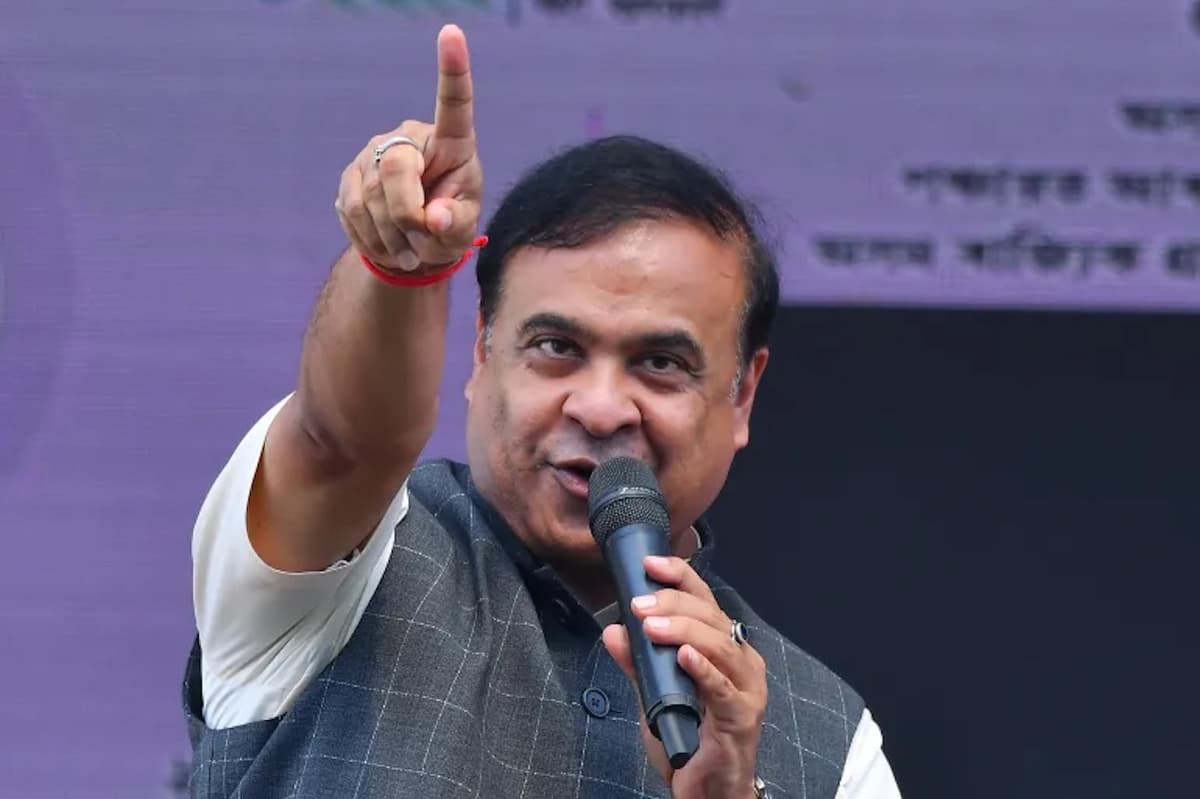
Against this backdrop, Assam’s chief minister has repeatedly framed Bangladesh as a security threat, invoking illegal migration and demographic pressure. His recent comment that he “prays” for deteriorating ties is an extreme articulation of that narrative. Coupled with periodic “push‑in” operations by the Border Security Force—where individuals are forced across the frontier without proper verification—these actions sow distrust on both sides. Misidentified Indian citizens have occasionally been expelled, fueling local resentment and providing Bangladesh with tangible grievances. The rhetoric therefore translates into operational friction, complicating joint patrols, anti‑smuggling efforts, and disaster‑response coordination.
The dissonance between Delhi’s diplomatic overtures and Assam’s hard‑line stance creates policy incoherence that could derail multi‑billion‑dollar projects such as the Bangladesh‑India gas pipeline and the proposed Asian Highway corridor. To preserve strategic momentum, the Indian government must enforce a consistent messaging framework that curtails inflammatory statements and standardizes border procedures. Greater transparency in push‑in operations, coupled with joint verification mechanisms, would rebuild confidence. If both capitals can align internal politics with external objectives, the partnership can move beyond episodic disputes toward a resilient, mutually beneficial relationship that supports regional stability and economic growth.
India’s softer tone on Bangladesh hits a hard note in Assam
Comments
Want to join the conversation?
Loading comments...