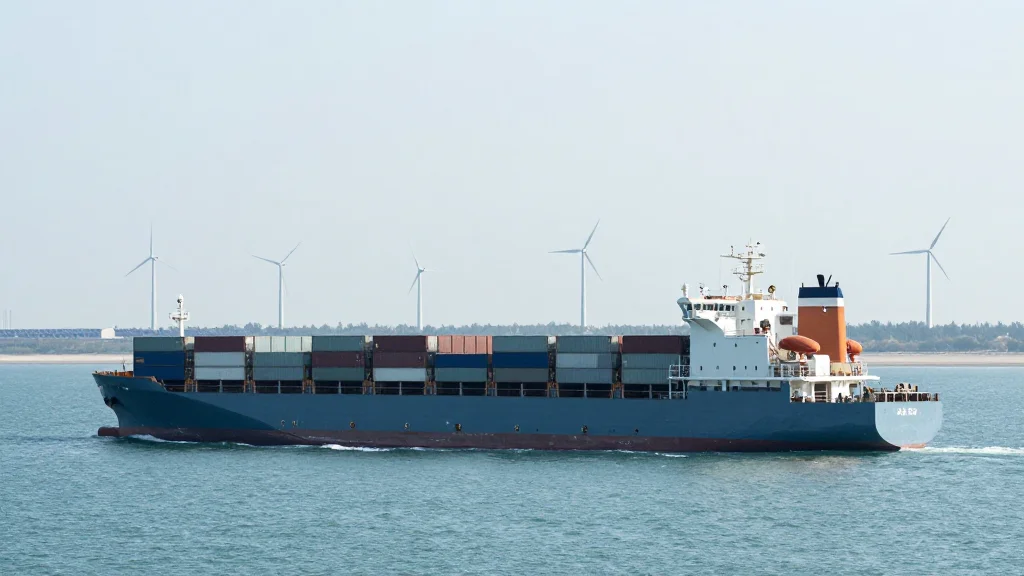
Indo-Pacific Trade Pact Losing Relevance Under Trump’s Aggressive Strategy: GTRI
Why It Matters
The diminishing relevance of IPEF under a protectionist U.S. stance threatens coordinated supply‑chain diversification and could limit India’s rise as an alternative manufacturing hub.
Key Takeaways
- •IPEF's four pillars aim at trade, supply chains, clean, fair economies.
- •Trump’s tariff‑heavy, bilateral approach clashes with IPEF’s non‑binding model.
- •India participates in three pillars, abstains from trade pillar over digital regulations.
- •Supply Chain Resilience Agreement targets diversification but China remains dominant in Tier‑II/III.
- •IPEF’s impact hinges on India’s reforms, infrastructure upgrades, not the pact itself.
Pulse Analysis
The Indo‑Pacific Economic Framework for Prosperity (IPEF) was launched in May 2023 to bind together the United States, India, Australia and eleven other partners in a cooperative, non‑binding structure. Its four pillars—Trade, Supply‑Chain Resilience, Clean Economy and Fair Economy—were designed to shape standards for digital trade, diversify critical supply chains, promote green technologies, and improve governance. With 14 members accounting for roughly 40% of global GDP and 28% of world trade, the framework promised a coordinated response to China’s growing influence in the region.
However, President Donald Trump’s return to a protectionist playbook—marked by steep tariffs, aggressive Section 301 investigations, and a preference for rapid bilateral deals—directly undercuts IPEF’s collaborative ethos. GTRI notes that the U.S. now views the pact as having “little practical role in the near term,” especially as the trade pillar remains dormant for India over digital‑trade concerns. While the Supply Chain Resilience Agreement, effective October 2024, pushes member nations to map risks and diversify sourcing, China’s entrenched position in Tier‑II components and Tier‑III raw materials makes a full “China‑plus‑one” shift unrealistic.
The long‑term relevance of IPEF will therefore hinge on India’s ability to translate its active role—such as vice‑chairing the Supply Chain Council—into tangible domestic reforms. Upgraded infrastructure, streamlined regulations, and stronger industrial competitiveness are essential for India to become a credible alternative manufacturing hub. If these internal upgrades materialize, IPEF could still serve as a strategic platform for aligning Indo‑Pacific economies, even as the United States pursues a more unilateral trade agenda.
Indo-Pacific trade pact losing relevance under Trump’s aggressive strategy: GTRI
Comments
Want to join the conversation?
Loading comments...