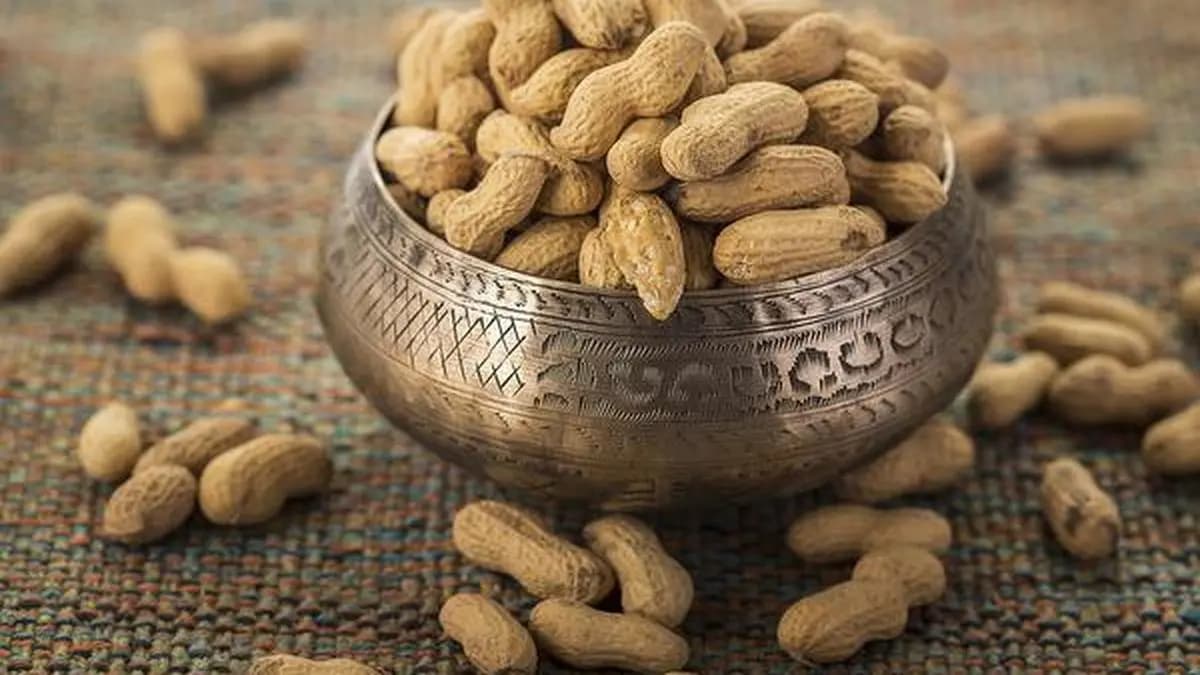
Indonesia Introduces New Quota System for Peanut Imports
Why It Matters
The policy threatens to disrupt a $280 million annual trade flow, squeezing Indian exporters and raising food‑price volatility in Indonesia’s domestic market. It also signals a broader shift toward tighter food‑safety standards that could reshape regional agricultural trade.
Key Takeaways
- •Indonesia's new quota limits non‑quota peanuts to May 7, 2024.
- •Exporters need GAP certification, taking 3‑6 months to obtain.
- •Potential price surge of 60‑80% for peanuts in Indonesia.
- •India's share may fall as quota cuts approved exporters to ~75.
- •Roasted peanuts exempt, but shell peanuts face stricter licensing.
Pulse Analysis
Indonesia’s latest import restriction reflects a growing emphasis on food safety and self‑sufficiency in Southeast Asia. After a 2022 suspension over aflatoxin concerns, Jakarta has tightened standards, introducing geo‑tagging, a 15 ppb aflatoxin ceiling, and now a quota that forces non‑quota peanuts to clear by early May. The move aligns with the government’s push to boost domestic peanut production, but it also raises questions about compliance costs for foreign suppliers, especially those lacking the infrastructure to meet Good Agricultural Practices (GAP) certification quickly.
For Indian exporters, the impact is immediate and severe. The GAP requirement, which can take up to half a year to secure, threatens to stall shipments that previously accounted for roughly $280 million annually. With the approved exporter pool cut to about 75 firms, many traders anticipate a 60‑80 percent price spike in the Indonesian market, eroding profit margins and prompting buyers to seek alternative sources. The Agricultural and Processed Food Products Export Development Authority (APEDA) now faces the challenge of assisting producers in attaining GAP compliance while mitigating the loss of market share to competitors in Vietnam or the United States.
Regionally, the quota may trigger a realignment of peanut trade flows. Countries with established GAP certification processes could capture displaced demand, while Indonesia’s exemption for roasted peanuts suggests a nuanced approach that differentiates between raw and processed products. Stakeholders will watch how the policy influences WTO dispute dynamics, given past criticism of Indonesia’s testing standards. Exporters are likely to diversify their portfolios, invest in certification capabilities, or negotiate bilateral agreements to ease the transition, making the next six months a pivotal period for the global peanut supply chain.
Indonesia introduces new quota system for peanut imports
Comments
Want to join the conversation?
Loading comments...