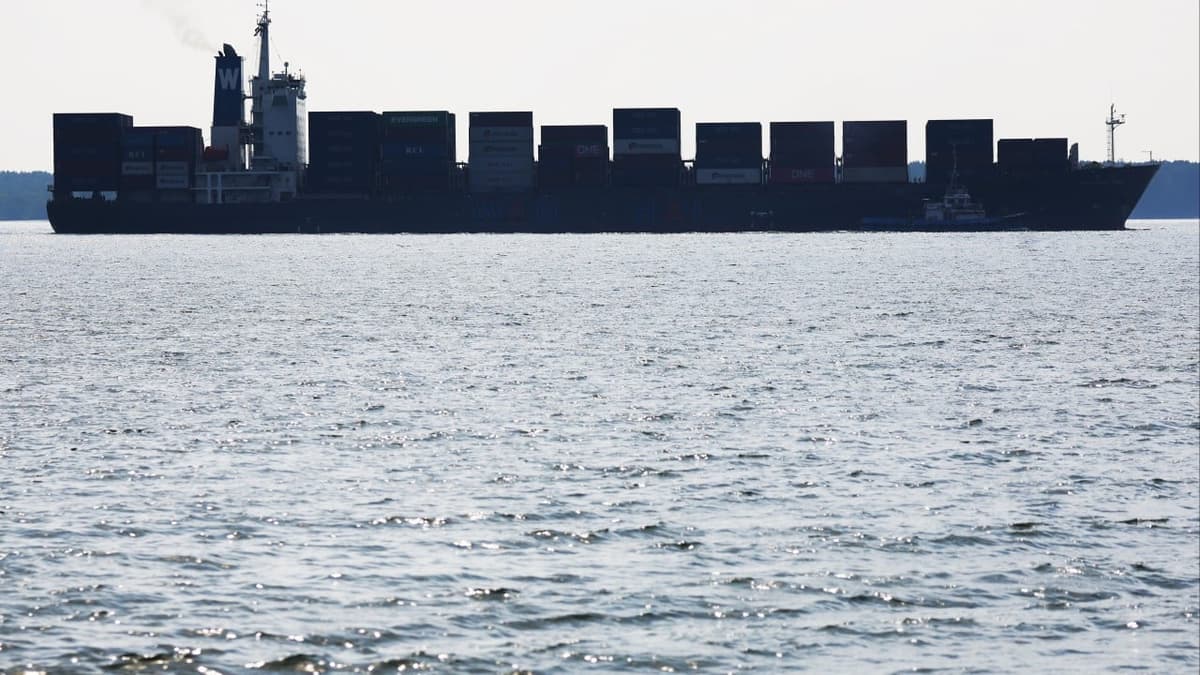
Indonesia Rules Out Collecting Transit Fees From Ships in Malacca Strait
Why It Matters
Maintaining fee‑free passage preserves the cost efficiency of a critical global trade artery and avoids setting a precedent that could fragment maritime logistics. The clarification also reassures regional partners and shipping firms amid rising geopolitical tension over maritime fees.
Key Takeaways
- •40% of global trade passes through Malacca Strait annually
- •Indonesia reaffirms commitment to freedom of navigation
- •Finance minister's toll idea sparked regional debate
- •UNCLOS limits Indonesia's ability to levy transit fees
- •Iran's Hormuz fee push heightens chokepoint tensions
Pulse Analysis
The Strait of Malacca, flanked by Indonesia, Malaysia and Singapore, is one of the world’s busiest maritime corridors, channeling about 40 percent of global trade each year. Energy shipments bound for China, Japan and South Korea dominate the traffic, making the waterway a linchpin of Asian supply chains. Any disruption or added cost can ripple through commodity markets, influencing freight rates and the pricing of consumer goods worldwide.
Indonesia’s refusal to levy tolls reflects both legal constraints under the United Nations Convention on the Law of the Sea and a strategic desire to keep the route open for all nations. While Finance Minister Purbaya Yudhi Sadewa briefly questioned the policy, Foreign Minister Sugiono emphasized that imposing fees would contradict Indonesia’s role as a trading nation and its obligations as an archipelagic state. The stance aligns with Singapore’s long‑standing advocacy for free passage and contrasts sharply with Iran’s recent push to charge vessels in the Strait of Hormuz, highlighting divergent approaches to chokepoint governance.
For the shipping industry, the decision removes uncertainty that could have driven up operational costs and rerouting considerations. Vessel operators can continue to plan voyages through the Malacca‑Singapore corridor without anticipating new fiscal burdens, preserving the efficiency of existing trade lanes. Moreover, Indonesia’s clear position may deter other coastal states from pursuing similar fee structures, reinforcing a global norm of fee‑free transit that underpins the stability of international maritime commerce.
Indonesia rules out collecting transit fees from ships in Malacca Strait
Comments
Want to join the conversation?
Loading comments...