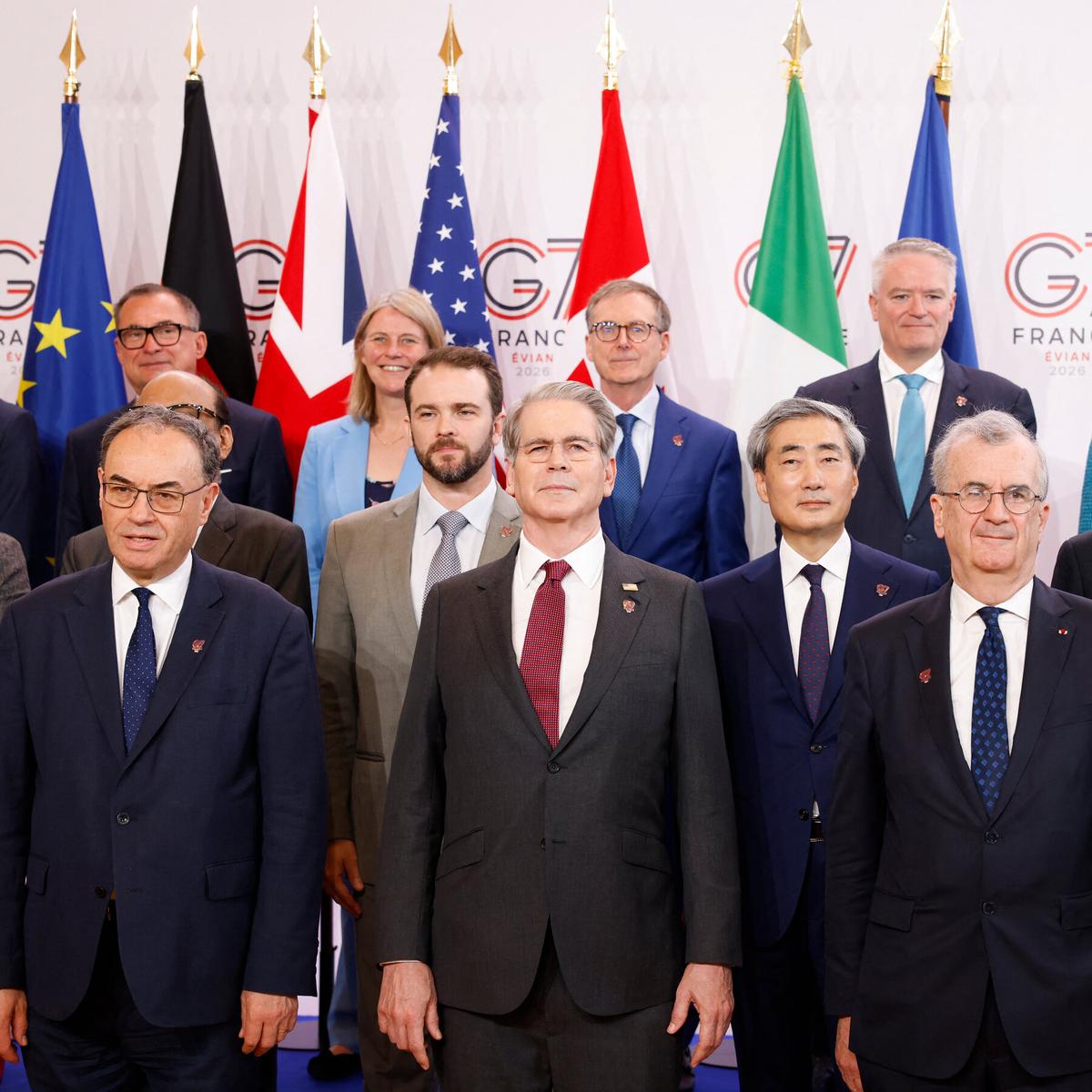
Inflation Fears Cloud G7 Economic Agenda as Iran War Persists
Why It Matters
The coordinated G7 response aims to temper rising inflation and protect vulnerable economies, but the U.S. sanctions relief could undermine collective pressure on Russia and reshape global oil dynamics.
Key Takeaways
- •G7 commits to curb energy price spikes from Iran war
- •U.S. to grant third oil sanctions reprieve for Russia
- •Goal: swift, safe transit through Strait of Hormuz
- •G7 to consider additional sanctions imposing severe costs on Russia
Pulse Analysis
The Paris summit arrived at a volatile moment for the world economy, as the Iran‑Israel‑U.S. conflict has reignited commodity price pressures. Energy markets are especially sensitive, with oil and natural‑gas futures spiking amid fears of disrupted shipments through the Strait of Hormuz, a chokepoint that handles roughly 20% of global oil trade. By pledging to safeguard free and safe transit, the G7 signals a collective effort to prevent a supply shock that could deepen inflationary trends already straining households and businesses worldwide.
A notable fracture emerged during the talks: the United States announced a third, temporary easing of oil sanctions on Russia, allowing Moscow to sell seaborne crude. Treasury Secretary Scott Bessent framed the move as a humanitarian measure to keep oil flowing to the most energy‑vulnerable nations, yet European leaders warned it could reward Russia and dilute the group’s unified stance. This policy split underscores the delicate balance between stabilizing global oil markets and maintaining a hard line against a nation financing its war in Ukraine.
Beyond immediate price concerns, the G7’s agenda touched on longer‑term structural issues, such as diversifying critical mineral supply chains dominated by China and reinforcing food‑security mechanisms for low‑income countries. By coupling short‑term market interventions with strategic investments in alternative energy and mineral sourcing, the group seeks to shield the global economy from future geopolitical shocks. The success of these measures will hinge on sustained coordination and the ability to reconcile divergent national interests, especially as inflation pressures test the resilience of growth forecasts for 2026 and beyond.
Inflation Fears Cloud G7 Economic Agenda as Iran War Persists
Comments
Want to join the conversation?
Loading comments...