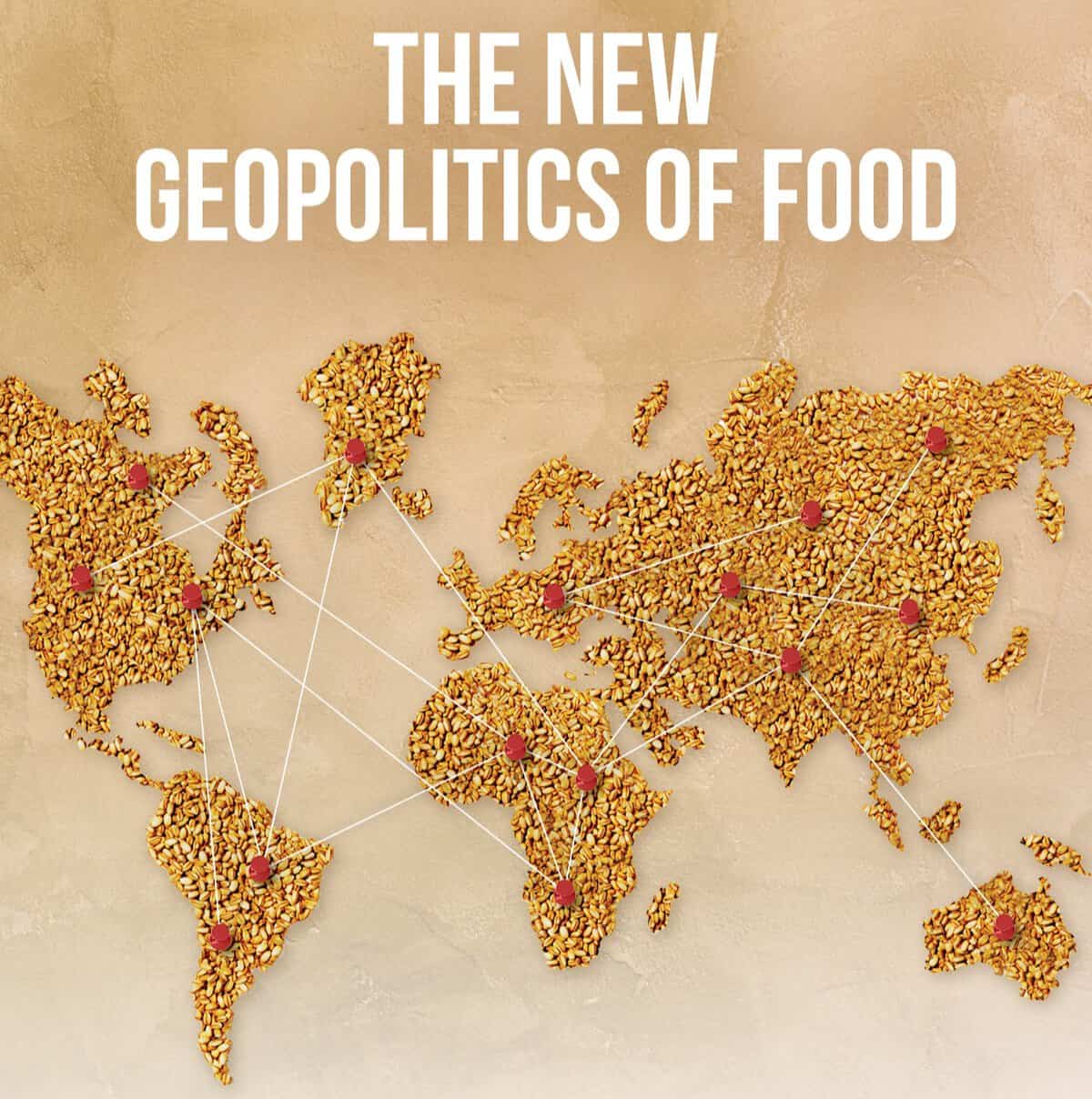
IPES-Food Report Warns Trade Wars and Supply Chain Fragility Are Driving Global Food Insecurity
Companies Mentioned
Why It Matters
The findings highlight an escalating risk to food security in vulnerable economies and signal that policy inaction could deepen debt crises and social instability, making swift government intervention essential.
Key Takeaways
- •Global food import bill hit $2.2 trillion in 2025, a record.
- •Food prices 35% above 2019 levels, hitting low‑income nations hardest.
- •Corporate consolidation let agrifood giants raise prices beyond cost hikes.
- •Public reserves and supply management in India, Canada, Norway curb volatility.
Pulse Analysis
The iPES‑Food report underscores how recent geopolitical shocks—ranging from trade disputes to regional conflicts—have exposed the fragility of a food system that relies heavily on cross‑border markets. With global food prices soaring 35% above pre‑pandemic levels and the 2025 import bill reaching an unprecedented $2.2 trillion, low‑ and middle‑income nations are seeing import costs consume a larger share of fiscal budgets. This pressure translates into higher debt burdens and limited policy space to address other development priorities, amplifying the urgency for structural reforms.
At the same time, the report draws attention to the role of corporate concentration in magnifying price volatility. Since 2008, the number of major seed and agro‑chemical firms has shrunk from six to four, and similar consolidation trends appear across the broader supply chain. Evidence from the U.S. grocery sector, where Kroger admitted to inflating product prices beyond its cost increases during a failed Albertsons merger, illustrates how thin competition can enable profiteering during inflationary spikes. Such dynamics erode consumer purchasing power, especially in economies already strained by high import bills.
The analysis also offers a roadmap for resilience, citing successful market‑management models. India’s public food stockholding system limited rice price spikes to 14% during the 2007‑08 crisis, while Canada’s dairy supply‑management scheme and Norway’s farmer‑owned cooperatives have consistently dampened volatility. The ECOWAS regional reserve, delivering over 55,000 metric tonnes of cereals since 2012, demonstrates the scalability of cooperative approaches. Policymakers are urged to adopt these tools—public reserves, production quotas, and supply‑management frameworks—to reduce dependence on volatile global markets and build a more self‑reliant food system.
iPES-Food Report Warns Trade Wars and Supply Chain Fragility Are Driving Global Food Insecurity
Comments
Want to join the conversation?
Loading comments...