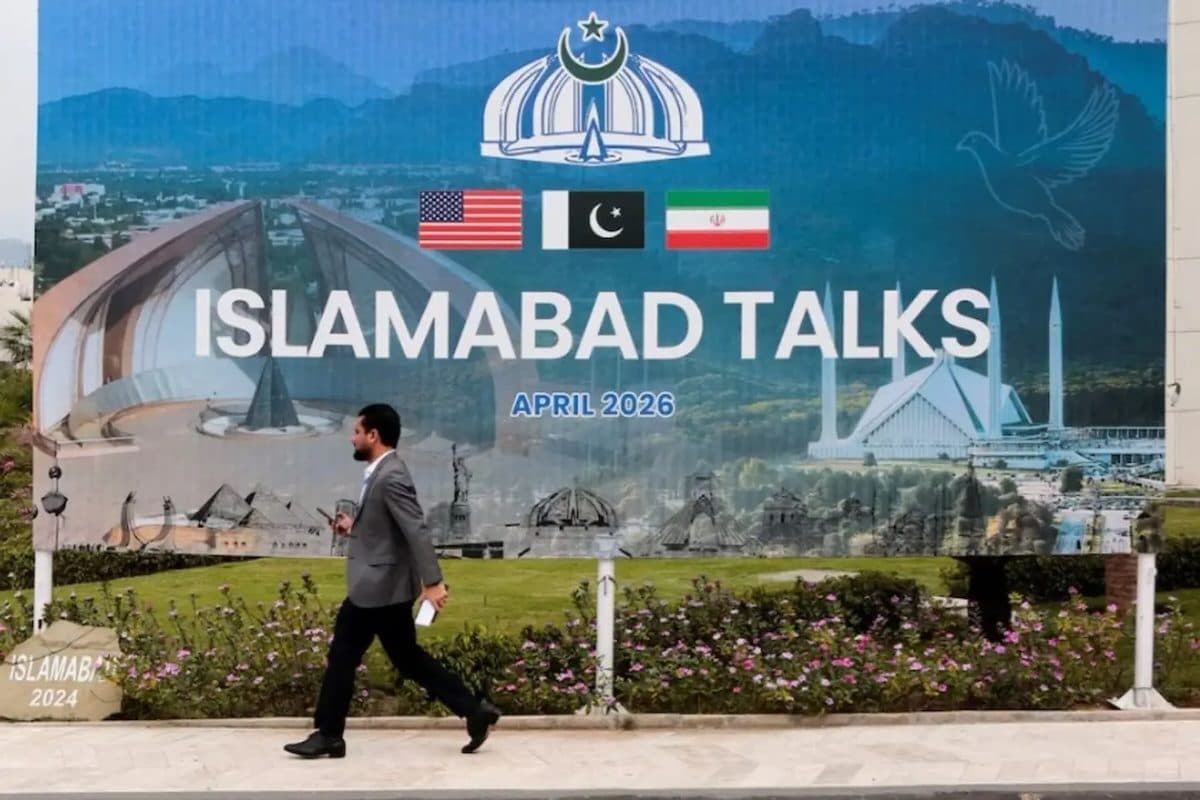
Iran Diplomat Leaves Islamabad, Trump Cancels US Delegation Trip
Why It Matters
The move stalls any near‑term diplomatic resolution to the Iran conflict, heightening regional tension and exposing costly U.S. military vulnerabilities.
Key Takeaways
- •Trump aborts Kushner‑Witkoff mission to Islamabad
- •Iran's foreign minister left Pakistan, citing US insincerity
- •US bases in Gulf suffered damage costing billions to repair
- •Hegseth threatens lethal force against Iranian vessels in Hormuz
- •Diplomatic stalemate deepens as blockade remains in place
Pulse Analysis
The abrupt cancellation of the Kushner‑Witkoff delegation underscores the volatility of Trump’s Iran strategy. After weeks of back‑channel overtures, the president deemed the Islamabad talks "too much work," signaling a retreat from direct engagement even as Iran’s foreign minister publicly dismissed U.S. overtures. This reversal not only halts a potential diplomatic breakthrough but also reinforces the administration’s hardline posture, keeping the naval blockade and sanctions in place and leaving Tehran’s demands—lifting the blockade and ending U.S. pressure—unmet.
Compounding the diplomatic impasse, recent investigative reports revealed extensive damage to U.S. bases and equipment in the Persian Gulf, with repair costs projected in the billions of dollars. The strikes, which targeted critical infrastructure, highlight the tangible risks of a protracted conflict and raise questions about the cost‑benefit calculus of continued military posturing. For defense planners, the financial fallout adds pressure to secure a durable de‑escalation, while lawmakers face mounting scrutiny over the allocation of resources to a war that many view as strategically unsustainable.
The broader fallout extends to the Pentagon’s rhetoric, as Secretary of Defense Pete Hegseth warned of lethal force against any Iranian vessels attempting to breach the Strait of Hormuz. His aggressive language, coupled with a controversial media interaction, reflects an administration willing to escalate militarily even as diplomatic channels close. For regional actors and investors, the confluence of diplomatic deadlock, escalating military threats, and costly infrastructure damage signals heightened uncertainty in Middle‑East markets and underscores the urgent need for a calibrated, multilateral approach to defuse the crisis.
Iran diplomat leaves Islamabad, Trump cancels US delegation trip
Comments
Want to join the conversation?
Loading comments...