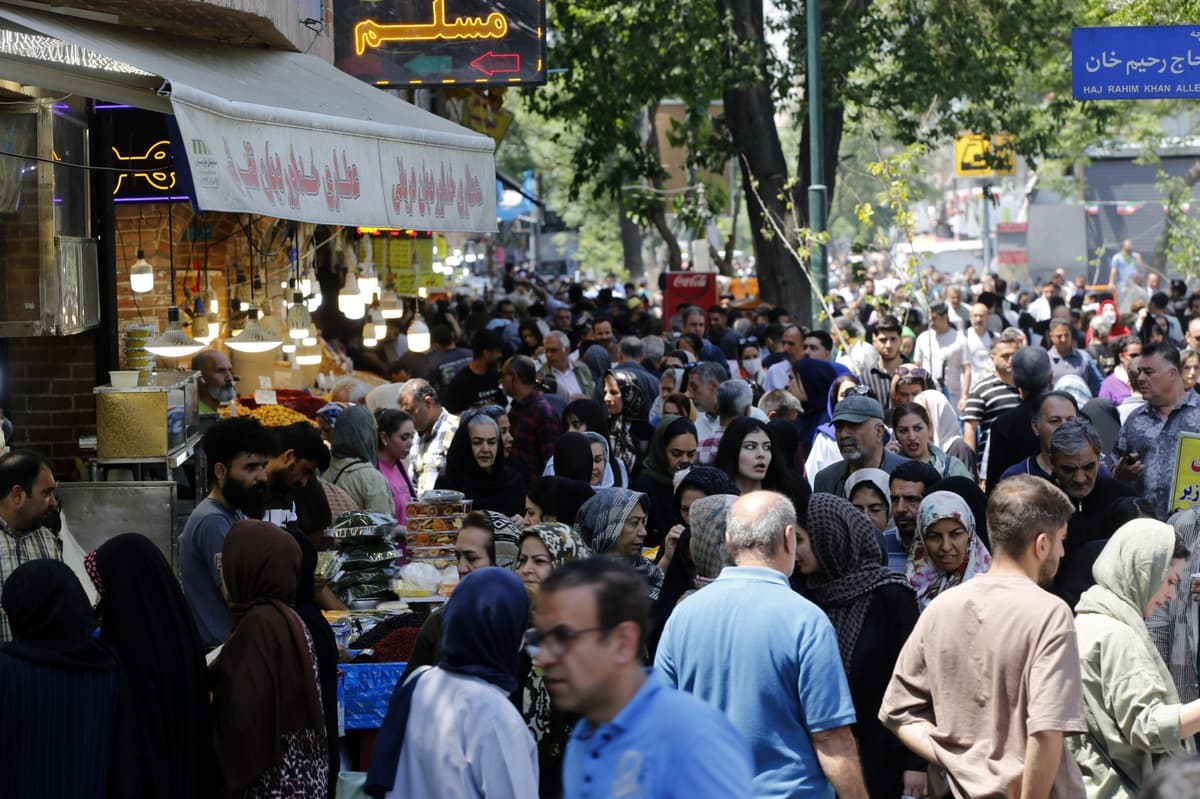
Iran May Have a Higher Tolerance for Economic Pain—But the Pain Is Excruciating as Regime Reveals 100% Inflation in Just Days on some Items
Why It Matters
The soaring inflation and currency collapse jeopardize Iran’s fiscal capacity to fund reconstruction and maintain social order, heightening geopolitical risk in a volatile region.
Key Takeaways
- •Inflation surged to 100% on some items within a week.
- •Annual inflation reached 67% by mid‑April, up from 47.5% pre‑war.
- •Rial hit a record low of 1.8 million per USD.
- •Reconstruction estimated at $270 billion, ~80% of GDP.
- •Government subsidies strain finances, risking payroll shortfalls.
Pulse Analysis
The war‑induced blockade has turned Iran’s macro‑economic landscape into a textbook case of hyperinflation. With the rial trading at 1.8 million per dollar, import‑dependent sectors face sky‑high costs, while domestic producers scramble to ration raw materials such as steel and cement. Inflation on staple items has doubled in days, outpacing the 67% annual rate recorded in April and eclipsing the 47.5% pre‑conflict level. These price shocks are not merely statistical; they translate into real‑world scarcity, prompting the regime to impose consumption limits on water, electricity and transport.
Beyond the numbers, the social fabric is fraying. The government’s emergency relief—wage hikes, cash handouts, and food coupons—provides temporary relief but deepens fiscal deficits. Prosecutors are threatening severe penalties for price‑gouging, yet the underlying supply‑chain disruptions remain unresolved. Citizens, especially younger urban dwellers, are turning to “doom‑spending,” opting for short‑term indulgence over savings, a behavior that signals eroding confidence in the economy’s future. The combination of mass protests, a brutal crackdown, and a collapsing currency raises the specter of further unrest.
Looking ahead, Iran faces a reconstruction bill of roughly $270 billion, nearly four‑fifths of its GDP. Financing such an effort will require either a swift lifting of sanctions, substantial foreign investment, or a dramatic reallocation of state resources—options that are currently constrained by geopolitical tensions and a depleted treasury. If the regime cannot secure the necessary funds, payroll delays and public‑sector layoffs could undermine its authority, potentially reshaping power dynamics in the Middle East. Stakeholders monitoring the region should watch for policy shifts in U.S. sanctions and any emerging financing mechanisms that could alter Iran’s economic trajectory.
Iran may have a higher tolerance for economic pain—but the pain is excruciating as regime reveals 100% inflation in just days on some items
Comments
Want to join the conversation?
Loading comments...