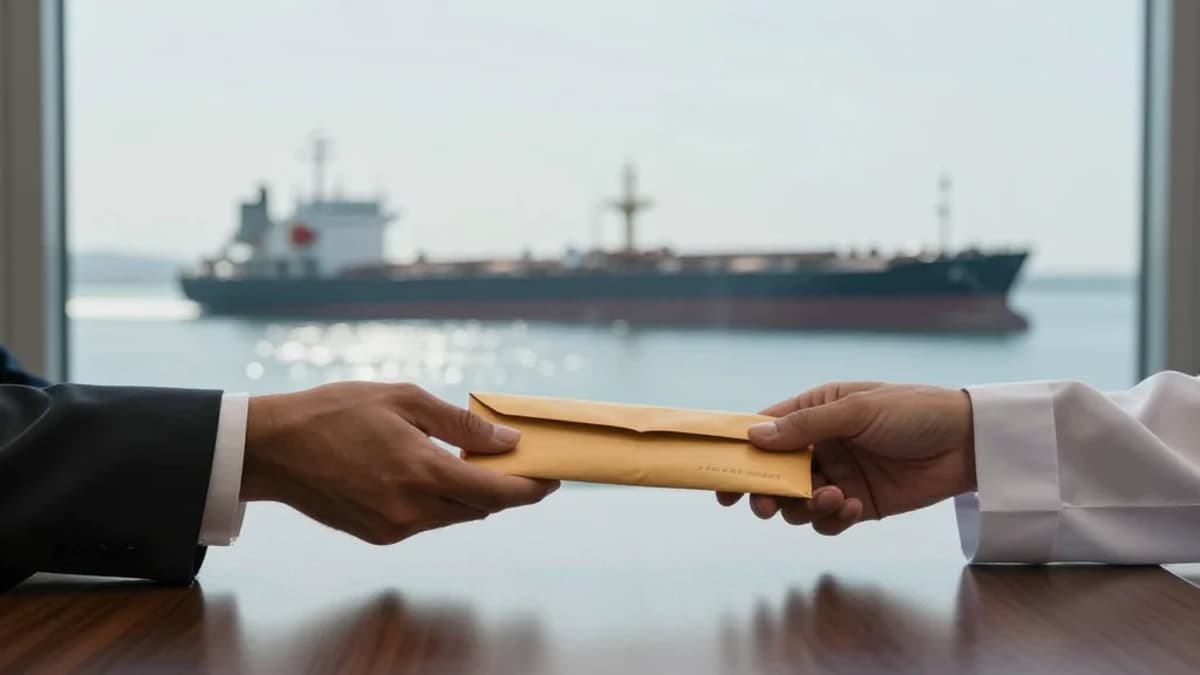
Iran Says US 'More Realistic' On Nuclear Issue, as Guards Begin Drills in Hormuz Strait
•February 16, 2026
0
Why It Matters
The shift in U.S. positioning could unlock diplomatic space for a nuclear agreement, while the Hormuz drills underscore the leverage Iran holds over global energy flows, raising stakes for regional stability.
Key Takeaways
- •US stance shifts toward realistic nuclear position
- •Iran and US resume Geneva talks mediated by Oman
- •IRGC conducts drills in Hormuz Strait, threatening oil flow
- •Iran may compromise uranium stockpile if sanctions lifted
- •Israel demands full removal of enriched uranium from Iran
Pulse Analysis
The renewed Geneva negotiations mark a tentative thaw in a relationship long defined by mistrust and brinkmanship. After months of indirect dialogue mediated by Oman, both sides appear to be testing a more pragmatic tone, with Washington acknowledging a "more realistic" view of Iran’s nuclear ambitions. This subtle shift may lower the diplomatic threshold for concessions, especially as Iran signals willingness to discuss its 400‑kilogram 60%‑enriched uranium stockpile in exchange for sanction relief. Analysts note that even modest progress could reshape the broader non‑proliferation architecture in the Middle East.
Simultaneously, the Revolutionary Guard’s war games in the Strait of Hormuz send a clear strategic message. Controlling a narrow maritime corridor that carries roughly one‑fifth of the world’s oil, Iran can disrupt supply chains with relatively limited assets. The drills, framed as preparation for potential threats, amplify the leverage Tehran holds in negotiations, forcing global markets and policymakers to factor security risks into any diplomatic calculus. Energy traders have already priced in a modest premium for oil, reflecting heightened uncertainty.
The interplay of diplomatic overtures and military signaling creates a complex risk matrix. Israel’s insistence on a complete removal of enriched uranium raises the bar for any prospective deal, while U.S. envoys like Steve Witkoff and Jared Kushner are tasked with balancing non‑proliferation goals against regional security concerns. Should sanctions be eased in exchange for verifiable nuclear limits, Iran could unlock critical foreign currency, easing domestic economic pressure. Conversely, any misstep could reignite tensions, potentially prompting a resurgence of sanctions or even military posturing, with ripple effects across global oil markets and non‑proliferation efforts.
Iran says US 'more realistic' on nuclear issue, as Guards begin drills in Hormuz Strait
0
Comments
Want to join the conversation?
Loading comments...