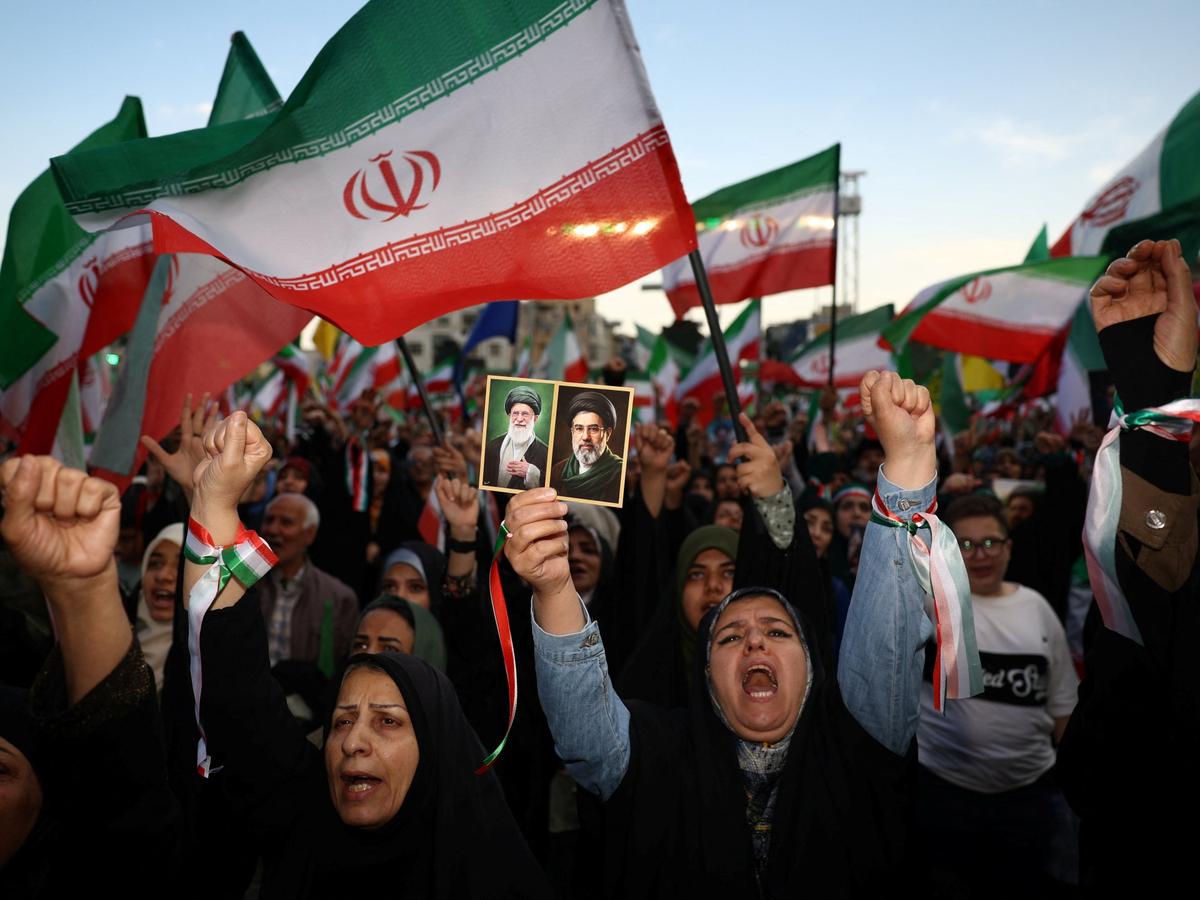
Iran Vows ‘Long, Painful’ Response if US Renews Attacks
Why It Matters
The threat jeopardizes global energy supplies and could trigger a costly military escalation, forcing investors and policymakers to reassess risk in the oil market and regional stability.
Key Takeaways
- •Iran vows “long, painful” strikes on U.S. Gulf positions if attacks resume
- •Strait of Hormuz closure cuts about 20% of world oil supply
- •U.S. Congress deadline adds uncertainty to any new military action
- •Regional allies UAE and Bahrain publicly condemn Iran’s threats
- •Air‑defence alerts in Tehran signal heightened readiness for conflict
Pulse Analysis
The Strait of Hormuz has long been a strategic chokepoint, and its current closure by Iran now restricts roughly one‑fifth of the world’s oil and gas flow. This bottleneck has already nudged Brent crude and U.S. gasoline prices upward, prompting energy traders to price in a premium for supply disruptions. Analysts warn that any further militarization of the waterway could amplify price volatility, prompting central banks to reconsider inflation forecasts that already factor in higher energy costs.
In Washington, the debate over renewed strikes is tangled with domestic politics. Congress must act by Friday to authorize continued hostilities under the 1973 War Powers Resolution, a deadline that adds pressure on the Trump administration to present a clear strategy. Senior officials have briefed the president on several escalation scenarios, ranging from limited drone attacks to broader naval engagements. The uncertainty surrounding legislative approval fuels market nerves, as investors weigh the cost of a potential new front against the backdrop of an already stretched U.S. defense budget.
Regional actors are also recalibrating their positions. The United Arab Emirates and Bahrain have openly condemned Iran’s threats, issuing travel bans and warning citizens to avoid Iranian territory. Their statements signal a willingness to align with U.S. security objectives, but also underscore the fragility of Gulf cooperation amid competing sectarian and geopolitical interests. Shipping firms are rerouting vessels around the Arabian Sea, increasing transit times and insurance premiums. If Iran follows through on its promise of “long, painful” retaliation, the resulting escalation could reshape trade routes, destabilize regional economies, and force multinational corporations to reassess supply‑chain risk management.
Iran vows ‘long, painful’ response if US renews attacks
Comments
Want to join the conversation?
Loading comments...