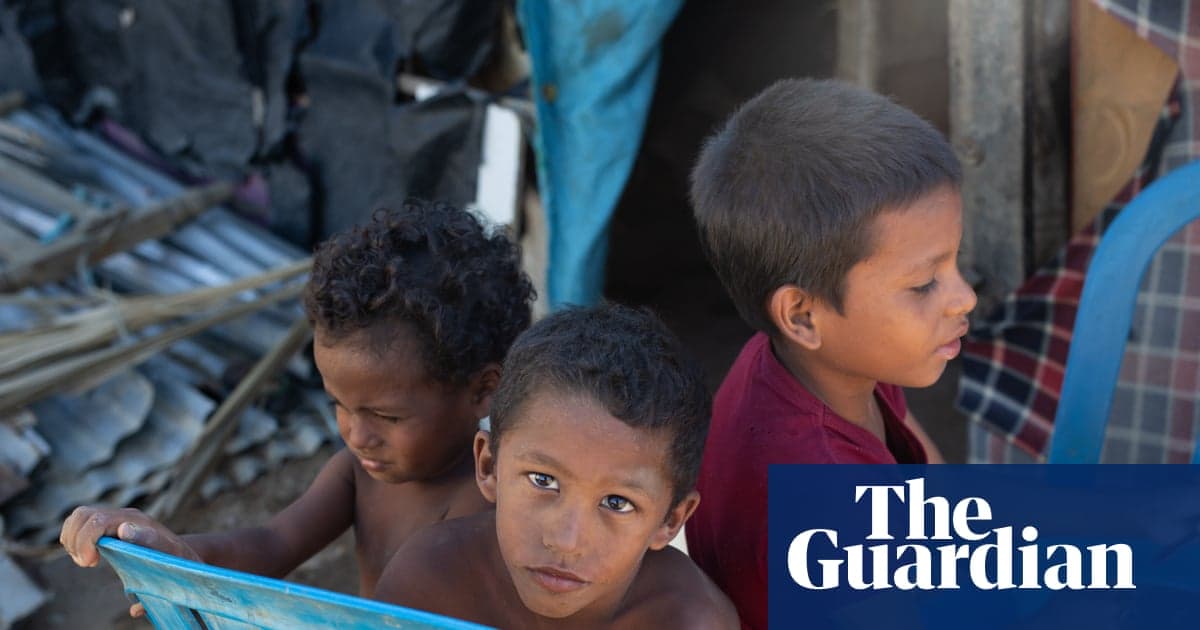
Iran War Could Plunge 32 Million Into Poverty, Says United Nations
Companies Mentioned
Why It Matters
The war threatens to reverse years of poverty‑reduction progress, creating a humanitarian and economic shock that could destabilize emerging markets and strain global supply chains.
Key Takeaways
- •UNDP warns Iran war could push 32 million into poverty
- •Energy, food, and growth shocks form a “triple shock”
- •$6 billion needed for short‑term cash transfers to protect vulnerable
- •Half of new poverty will hit 37 net energy‑importing countries
- •Aid cuts of $174 billion risk deepening the crisis
Pulse Analysis
The latest United Nations Development Programme (UNDP) assessment links the escalating Iran‑Israel conflict to a looming humanitarian shock. By choking the Strait of Hormuz, the war has driven oil and gas prices to multi‑year highs, while disrupted fertilizer shipments threaten global food security. UNDP describes the situation as a “triple shock” of soaring energy costs, tightening food supplies, and slowing economic growth. Economists warn that even a brief six‑week disruption could translate into 32 million additional people falling below the $8.30‑a‑day poverty line.
To prevent the reversal of recent development gains, UNDP proposes a $6 billion package of targeted cash transfers for the most vulnerable households in low‑ and middle‑income nations. Short‑term cash is deemed more efficient than blanket subsidies, which risk subsidising wealthier families and strain fiscal sustainability. However, the proposal arrives as OECD members have slashed development aid by $174 billion in 2025, citing budget pressures and rising defence spending. The funding gap threatens to leave half of the projected poverty surge concentrated in 37 net energy‑importing countries across Africa, Asia and small‑island states.
Policymakers face a stark choice: invest now in emergency assistance or accept longer‑term economic scarring. International development banks and multilateral agencies could mobilise the needed resources, framing the cash‑transfer program as a pre‑emptive strike against instability. By bolstering social safety nets, the global community not only averts a humanitarian crisis but also safeguards markets from further disruption. The Iran war thus underscores how geopolitical flashpoints can quickly erode decades of poverty‑reduction progress, demanding coordinated, well‑targeted responses. Without such coordination, the risk of chronic under‑investment grows.
Iran war could plunge 32 million into poverty, says United Nations
Comments
Want to join the conversation?
Loading comments...