Iran War Hits Asia’s Suppliers to Global Fast Fashion
Companies Mentioned
Why It Matters
The cost squeeze on polyester—a backbone of fast‑fashion supply chains—threatens profit margins and could force retailers to raise prices, potentially dampening consumer demand worldwide.
Key Takeaways
- •Polyester yarn costs up 30% due to Iran war fuel price surge
- •Indian yarn producer Filatex faces higher PTA and MEG prices
- •Bangladesh thread maker Coats raises prices 15.5% on oil‑derived feedstock
- •Fast‑fashion retailers may absorb costs, but price hikes could hit consumers
- •Recycled polyester only 12% of global output, limiting cushion
Pulse Analysis
The conflict in the Middle East has choked the Strait of Hormuz, a key artery for crude oil shipments. With global oil prices spiking, the downstream petrochemical market—particularly purified terephthalic acid (PTA) and mono‑ethylene glycol (MEG)—has seen feedstock costs surge. In India, polyester staple fibre jumped from roughly 100 rupees per kilogram (about $1.20) at the end of February to 126.5 rupees ($1.52) a month later, before easing to 120 rupees ($1.44). This price shock reverberates through the continent’s textile heartland, where polyester accounts for 59% of fibre production.
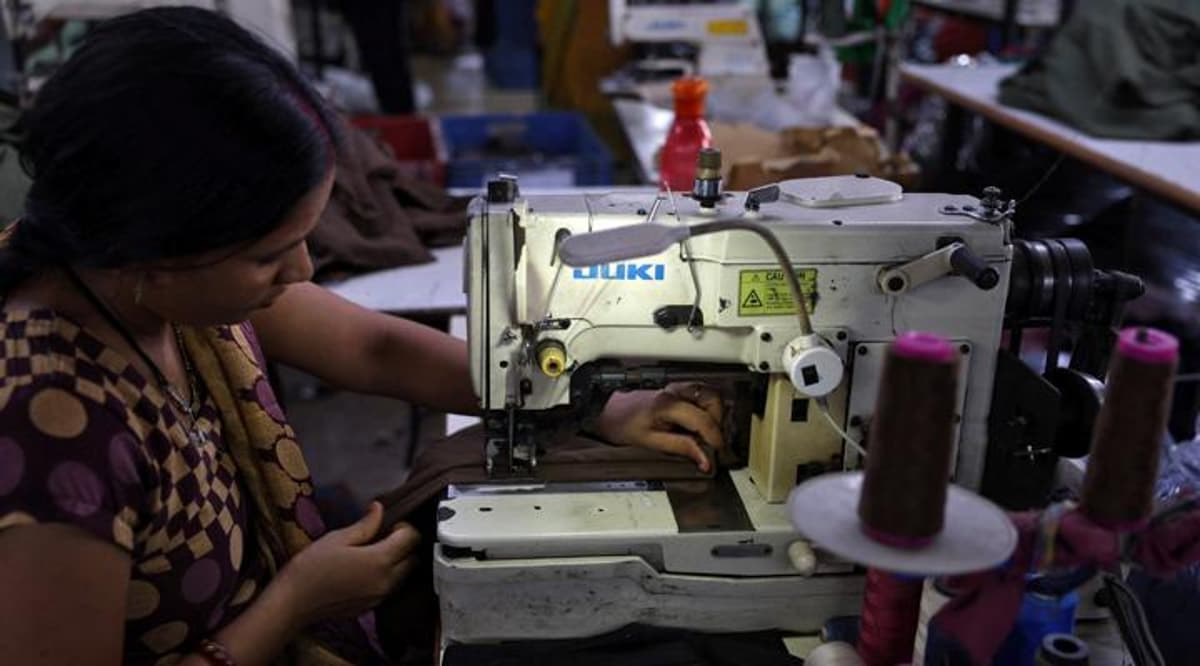
Manufacturers across Surat and Dhaka are feeling the pressure. Filatex, one of India’s largest yarn producers, reports a near‑30% cost increase, while Bindal Silk Mills cites dramatically higher chemical and dye expenses. Labor shortages, driven by a cooking‑gas crunch, have forced factories to cut loom activity by more than half, slashing daily output from 10,000 to roughly 3,500 metres. In Bangladesh, Coats Bangladesh announced a 15.5% price hike on polyester sewing thread, citing oil‑derived feedstock costs and higher logistics expenses. Industry analysts warn that sustained pressure could trigger "demand destruction" as retailers pass costs to consumers and order volumes contract.
Fast‑fashion giants are attempting to buffer the impact. Brands like H&M and Zara have leaned on forward‑buying strategies and a growing share of recycled polyester—derived from plastic bottles—to mitigate raw‑material volatility. Yet recycled polyester represents only about 12% of global output, limiting its protective effect. As retailers weigh the trade‑off between absorbing higher costs and protecting margins, the sector may see modest price increases for consumers, especially in apparel and footwear where oil‑based components such as EVA and PU foam dominate. Companies that diversify material sources and improve supply‑chain transparency will be better positioned to navigate the ongoing energy‑price turbulence.
Iran war hits Asia’s suppliers to global fast fashion
Comments
Want to join the conversation?
Loading comments...