Iran War Is Exposing South Africa’s Dependency on Diesel: What Went Wrong
Companies Mentioned
Why It Matters
The diesel‑driven cost shock threatens South Africa’s inflation outlook, fiscal balance and overall economic resilience, highlighting the need for structural energy and transport reforms. It underscores how dependence on diesel as a backup for failing infrastructure magnifies exposure to external oil price volatility.
Key Takeaways
- •Diesel accounts for ~50% of South Africa’s fuel mix in 2026.
- •Q2 2026 diesel price rose ~60% versus 25% for petrol.
- •Additional fuel costs add ~R45 bn ($2.7 bn), 2% of quarterly GDP.
- •70% of extra cost burden stems from diesel, not petrol.
- •Diesel levy relief costs ~R17.2 bn, exceeding the R10 bn reserve.
Pulse Analysis
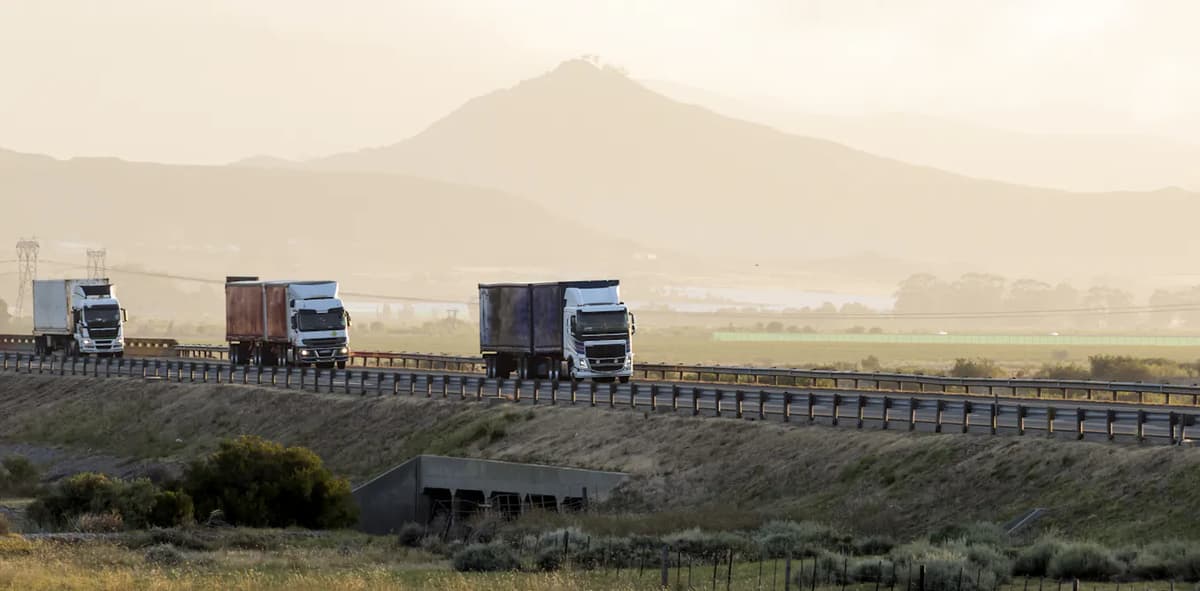
The war in the Gulf has sent crude oil prices soaring, but its ripple effect in South Africa is being felt most acutely through diesel. Over the past two decades diesel’s share of national fuel consumption has climbed from roughly one‑third to almost half, driven by the deterioration of state‑owned rail capacity, chronic load‑shedding and the expansion of truck‑based logistics. Diesel now powers the supply chain that moves minerals, agricultural produce and essential goods, while also running generators that compensate for unreliable electricity. Consequently, a 60 % price jump in Q2 2026 translates into a direct hit on operating costs across the economy.
The fiscal consequences are immediate. The Treasury’s temporary diesel levy relief, which lifted the fuel tax to zero, will forfeit about R17.2 bn ($1.0 bn) in revenue—more than the R10 bn contingency earmarked for the 2026 budget. At the same time, the added fuel burden of R45 bn ($2.7 bn) represents roughly 2 % of quarterly GDP, feeding through freight rates and food distribution costs and putting upward pressure on headline inflation. With the Reserve Bank still trying to anchor expectations around a 3 % target, any sustained diesel‑driven price pass‑through could destabilise monetary policy credibility.
The episode highlights a deeper strategic flaw: South Africa has built a ‘shadow infrastructure’ of diesel‑dependent workarounds instead of investing in resilient alternatives. Restoring rail capacity, expanding renewable‑based power generation and incentivising electrified freight could reduce the economy’s diesel intensity. In the short term, expanding strategic fuel reserves and diversifying import sources would buffer against future geopolitical disruptions. Over the longer horizon, a coordinated policy mix that couples energy security with logistics modernization will be essential to break the cycle of costly stop‑gap measures and to safeguard growth against volatile oil markets.
Iran war is exposing South Africa’s dependency on diesel: what went wrong
Comments
Want to join the conversation?
Loading comments...