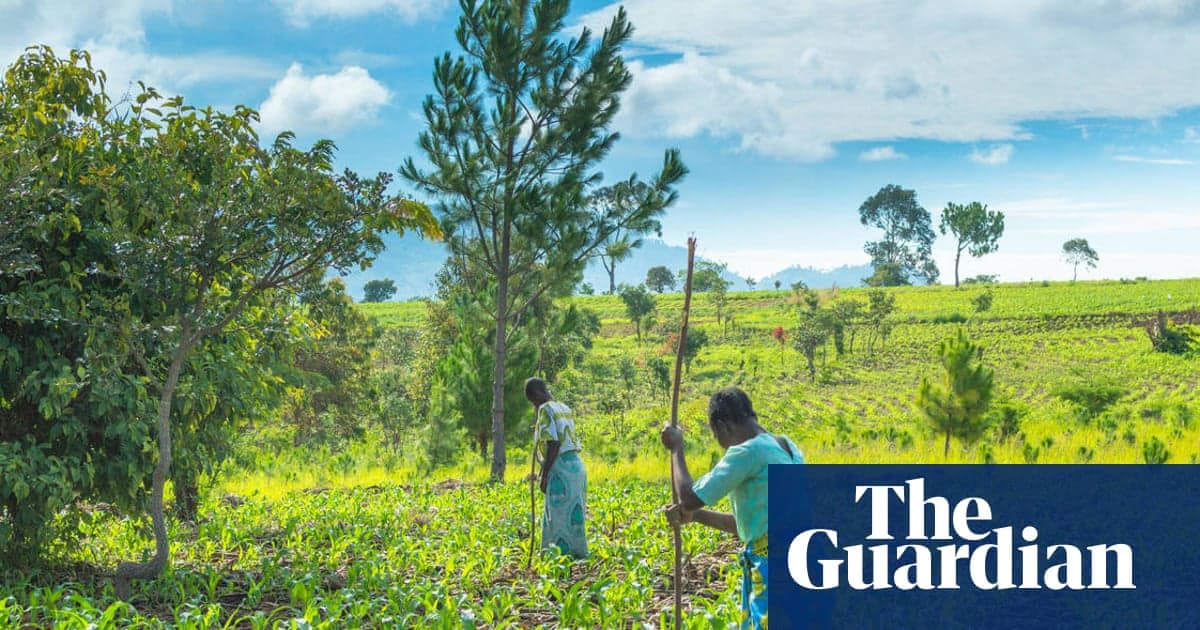
Iran War May Cause Food Shortages in Africa, World’s Largest Fertiliser Firm Says
Why It Matters
Fertilizer scarcity threatens to spike food prices and destabilize food security in Africa, where many nations lack the fiscal capacity to absorb higher input costs. The situation underscores the geopolitical risk of over‑reliance on Middle‑East fertilizer supplies.
Key Takeaways
- •Urea prices up 60‑70% since Iran war began
- •Africa imports 35% of global urea, now facing shortages
- •Ammonia production halted in Qatar, tightening fertilizer supply chain
- •EU grants up to $54,000 per farmer; Africa lacks similar aid
Pulse Analysis
The conflict between Iran and its adversaries has rippled through global commodity markets, hitting the fertilizer sector hardest. Urea, a cornerstone of nitrogen‑based fertilizers, derives roughly a third of its global supply from Gulf producers. As shipping routes become riskier and production facilities in the region curtail output, prices have surged 60‑70% since February, compressing margins for farmers worldwide. For sub‑Saharan Africa, which imports the majority of its fertilizer, the price shock translates directly into higher production costs and thinner profit margins for smallholder growers who already operate on razor‑thin budgets.
Compounding the urea squeeze is a parallel disruption in ammonia production, the precursor for most nitrogen fertilizers. Qatar, a major ammonia exporter, has suspended output due to safety concerns, further constricting the supply chain. While the European Union has responded with emergency subsidies—up to €50,000 (about $54,000) per farmer—to offset fuel and fertilizer price spikes, African governments lack comparable fiscal tools. This disparity means African producers are forced to either under‑fertilize crops, risking yield losses, or absorb cost increases that can push staple food prices beyond the reach of low‑income consumers.
The broader implication is a heightened risk of food inflation and localized shortages across the continent. Policymakers must consider diversifying fertilizer sources, investing in regional production capacity, and establishing strategic stockpiles to buffer future shocks. International development agencies could also play a role by extending targeted subsidies or low‑interest financing to African farmers, ensuring that the global fertilizer market does not become a de‑facto auction that leaves the world’s most vulnerable nations behind.
Iran war may cause food shortages in Africa, world’s largest fertiliser firm says
Comments
Want to join the conversation?
Loading comments...