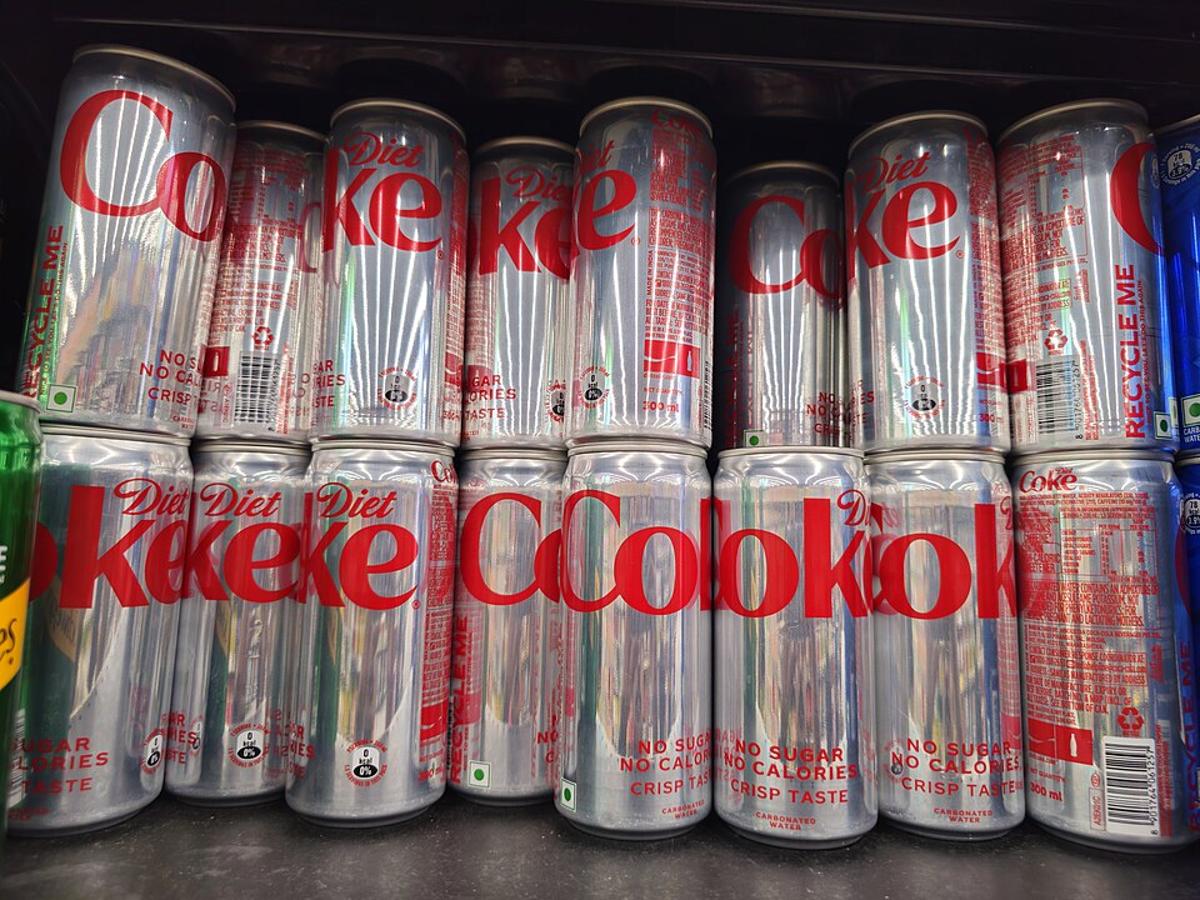
Iran War Price Shock: Why Coca-Cola, Pampers and Kleenex Could Cost More
Companies Mentioned

Why It Matters
Higher commodity costs turn a geopolitical shock into a broad‑based inflationary pressure on household essentials, eroding disposable income especially for price‑sensitive shoppers. Understanding the transmission path helps businesses and consumers anticipate and mitigate budget impacts.
Key Takeaways
- •Oil price surge raises packaging and freight costs for consumer goods
- •Coca‑Cola, P&G, Kimberly‑Clark face $150‑$1 bn profit hits
- •Diapers, tissues, soft drinks likely see incremental price hikes
- •Paint and chilled dairy costs climb due to energy‑intensive production
- •Consumers can only trade down; brands may cut promotions or upsize
Pulse Analysis
The current conflict in the Middle East has reignited a classic commodity feedback loop: higher crude and natural‑gas prices raise the cost of aluminum, plastics and freight, which in turn inflates the price of packaged goods. Bottlers, tissue manufacturers and paint producers rely on a tightly coupled supply chain where a single input shock reverberates through caps, labels, resin and logistics. As a result, even products that appear unrelated to fuel—such as a can of soda or a gallon of paint—carry hidden energy costs that can be passed to retailers and ultimately to shoppers.
For households, the impact is subtle but cumulative. A few cents added to a diaper pack, a modest increase in a tissue box, or a slightly higher price for a paint tin may seem negligible in isolation, yet repeated across weekly purchases they erode real income. Low‑income families feel the strain most acutely because essentials consume a larger share of their budgets. Meanwhile, multinational brands possess pricing power; they can absorb short‑term hits, trim promotional spend, or adjust pack sizes before consumers notice. This asymmetry forces shoppers to rely on brand switching, bulk buying or delayed purchases—options that offer limited relief.
Analysts advise monitoring product categories with the highest energy exposure rather than waiting for a headline price‑rise. Tracking freight indices, aluminum spot prices and packaging material trends can provide early warning of upcoming retail adjustments. In the longer term, sustained oil volatility may accelerate industry moves toward alternative packaging, localized production and hedging strategies, potentially dampening future pass‑through effects. For policymakers, the episode underscores how geopolitical events can quickly translate into domestic inflationary pressures, shaping both monetary policy considerations and consumer‑protection initiatives.
Iran War Price Shock: Why Coca-Cola, Pampers and Kleenex Could Cost More
Comments
Want to join the conversation?
Loading comments...