Iran War Pushing More than 30 Million Back Into Poverty, UN Development Chief Says
Why It Matters
The fallout threatens global food security and amplifies poverty, while shrinking aid resources jeopardizes the most vulnerable populations worldwide.
Key Takeaways
- •Over 30 million people face new poverty due to Iran war
- •Fertilizer shortages from Hormuz blockage reduce global crop yields
- •War‑related shocks erased up to 0.8% of global GDP
- •Humanitarian aid gaps grow as funding dries up for crises
Pulse Analysis
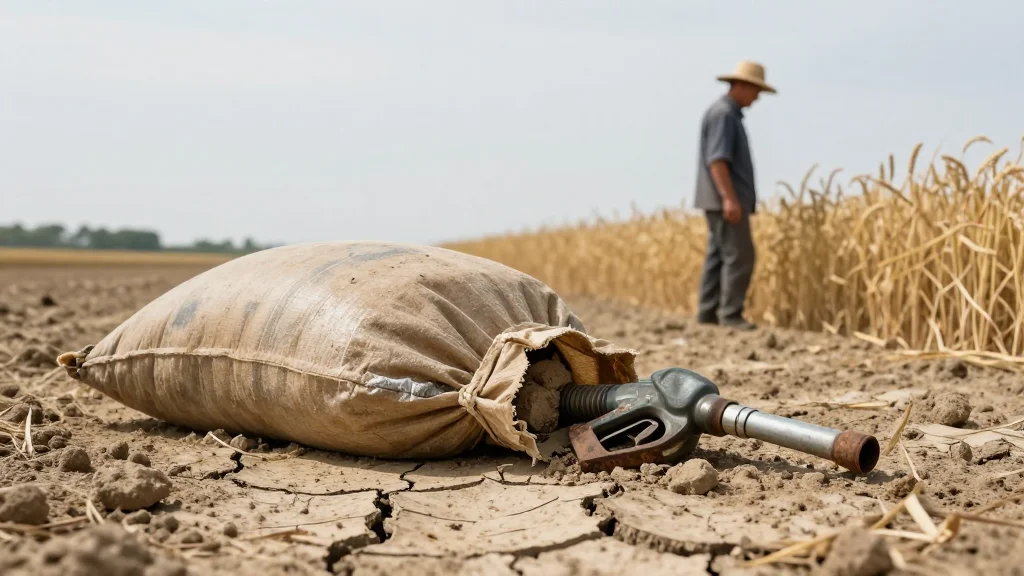
The Iran‑U.S. confrontation has quickly morphed from a regional dispute into a global supply‑chain shock. By choking the Strait of Hormuz, the world’s primary conduit for a third of all fertilizer shipments, the conflict is curtailing the flow of essential agricultural inputs. Fertilizer scarcity drives up input costs for farmers, depresses yields, and feeds into higher food prices—an already volatile market strained by climate events and post‑pandemic recovery. Energy markets are similarly affected, with fuel shortages compounding the logistical challenges of moving goods across continents.
These supply disruptions translate into macro‑economic repercussions. De Croo’s estimate that the war has shaved off 0.5‑0.8% of global GDP underscores how quickly conflict can erode decades‑long growth gains. Lower agricultural output reduces export revenues for major producing nations, while higher food prices erode real incomes, especially among low‑income households. The United Nations Development Programme warns that food insecurity will peak within months, pushing millions into poverty and potentially igniting social unrest in vulnerable regions.
Humanitarian operations are facing a perfect storm of rising needs and shrinking resources. Funding shortfalls, already evident in the World Food Programme and other agencies, force difficult triage decisions, leaving populations in Sudan, Gaza, and Ukraine with reduced assistance. Policymakers must balance immediate relief with longer‑term strategies, such as diversifying fertilizer supply chains and bolstering regional food reserves. Without coordinated international action, the cascading effects of the Iran war could deepen global inequality and destabilize fragile economies for years to come.
Iran war pushing more than 30 million back into poverty, UN development chief says
Comments
Want to join the conversation?
Loading comments...