Iran War: Talks Kiboshed, U.S. Seizes Iranian Tanker, Leaks Confirm Mad King Claims
Key Takeaways
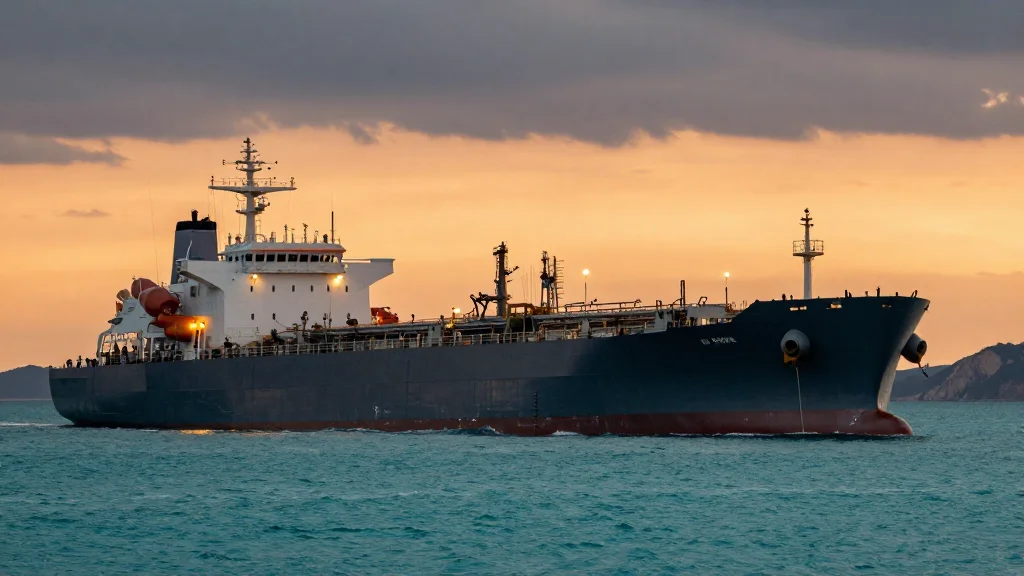
- •US seized Iranian tanker near Strait of Hormuz, raising tensions
- •Iran cancels delegation to Islamabad, halting diplomatic talks
- •Traders bet $1.53 bn on oil futures ahead of Trump’s statements
- •UAE seeks dollar swap line, fearing fallout from Iran conflict
- •Oil demand loss estimated at 2 MMbd, easing price pressures
Pulse Analysis
The seizure of an Iranian vessel by U.S. forces near the strategic Strait of Hormuz has reignited a fragile cease‑fire that underpins global oil flows. Tehran’s decision to pull its delegation from Islamabad signals a hardening stance, while President Trump’s public outbursts and exclusion of senior national‑security advisers reveal internal discord that could further destabilize diplomatic channels. For businesses that rely on predictable energy supplies, the episode raises the specter of renewed naval confrontations and supply‑chain disruptions across the Middle East.
Market participants have already priced the uncertainty into oil contracts. In the days surrounding Trump’s social‑media announcements, traders placed $580 million and $950 million in bets on falling oil prices, totaling $1.53 billion in speculative positions. These moves helped push crude prices down, even as analysts note that a substantial portion of the recent demand shock—about 2 million barrels per day—has already been absorbed by reduced consumption in emerging markets. The net effect is a short‑term price dip, but the longer‑term outlook remains clouded by the potential for renewed conflict to curtail supply from the Persian Gulf.
Beyond the immediate energy market, the conflict is prompting Gulf states to secure financial buffers. The United Arab Emirates has opened talks with Washington for a dollar‑swap line, a move that reflects concerns over balance‑of‑payments stress if the war escalates. While the Federal Reserve typically limits such facilities to G‑10 allies, the request highlights how geopolitical risk can translate into direct fiscal pressures for oil‑rich economies. Investors should monitor both the diplomatic trajectory and the ancillary financial safeguards that could shape regional stability and global market sentiment in the months ahead.
Iran War: Talks Kiboshed, U.S. Seizes Iranian Tanker, Leaks Confirm Mad King Claims
Comments
Want to join the conversation?