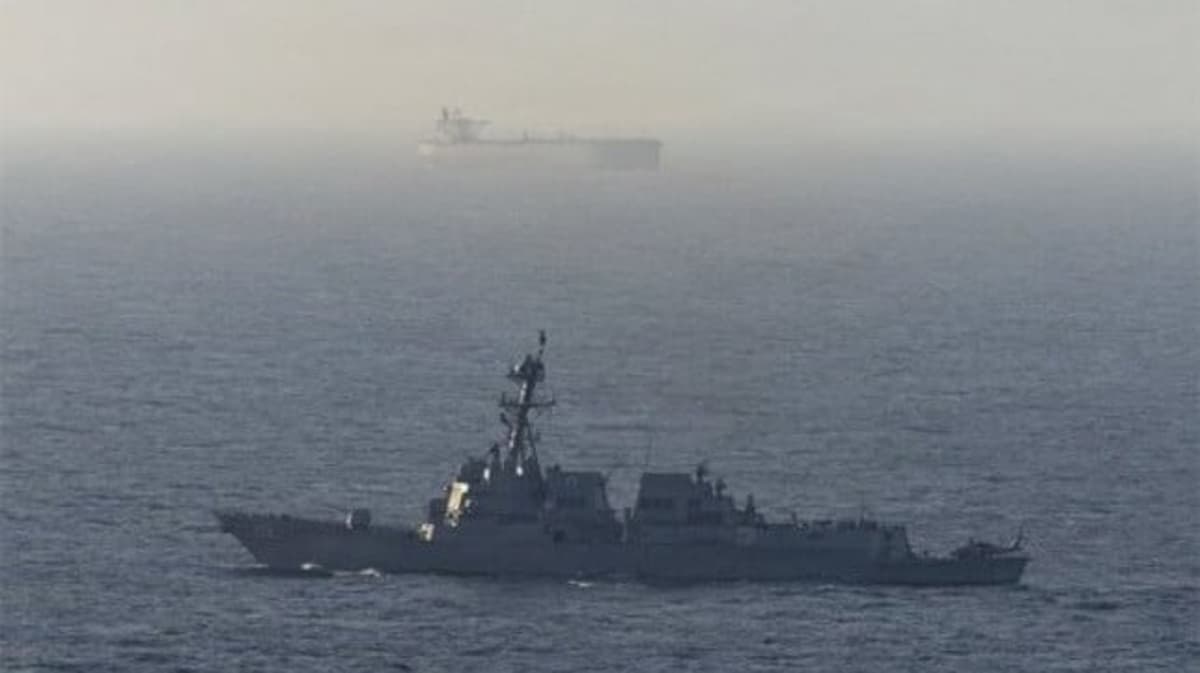
Iranian Shipping Blockade to Expand Says US as Hormuz Remains at Standstill
Companies Mentioned
Why It Matters
The expanded blockade raises the risk of a wider maritime confrontation and threatens global oil flow, driving up shipping costs and insurance premiums. It also underscores the humanitarian stakes for thousands of crew members caught in the conflict zone.
Key Takeaways
- •US diverted 34 ships, seized three sanctioned tankers this week
- •Only 5‑6 vessels passed Hormuz in 24 hours
- •Iran moved a 300k‑dwt tanker for floating storage
- •IMO reports 1,600 ships and 20,000 crew trapped
- •Major carriers have transited only a few container ships
Pulse Analysis
The Pentagon’s latest declaration marks a decisive escalation in U.S. maritime strategy against Iran. By tightening rules of engagement to a "shoot‑to‑kill" posture and expanding the scope of vessel interdictions, the Navy aims to choke off revenue streams that fund Tehran’s war effort. The seizure of shadow‑fleet tankers in the Indian Ocean and the diversion of dozens of commercial ships illustrate a coordinated effort to pressure Iran’s oil exports while signaling to regional actors that the United States will enforce a global blockade.
For the global oil market, the blockade translates into tighter supply and heightened price volatility. Iran’s counter‑move—repurposing a 300,000‑dwt tanker as floating storage near Kharg Island—highlights its attempts to preserve crude output despite restricted sea lanes. Yet container lines report only a handful of vessels have successfully navigated the Strait since hostilities began, forcing shippers to reroute cargoes around the Cape of Good Hope at higher cost. The limited transits also strain supply chains for critical commodities, prompting retailers and manufacturers to reassess inventory strategies amid uncertain delivery windows.
The humanitarian dimension is equally stark. The International Maritime Organization estimates roughly 1,600 ships and 20,000 seafarers remain trapped in the Persian Gulf, with at least ten fatalities recorded. Ongoing mine threats and the risk of further attacks keep insurers and insurers’ premiums on edge, while diplomatic efforts to secure an evacuation plan intensify. As the blockade deepens, the interplay between geopolitical pressure, commercial disruption, and seafarer safety will shape the next phase of maritime security in one of the world’s most vital chokepoints.
Iranian Shipping Blockade to Expand Says US as Hormuz Remains at Standstill
Comments
Want to join the conversation?
Loading comments...