Is the US Falling Victim to the Resource Curse?
Why It Matters
Understanding the true impact of resource booms on the broader economy informs policy decisions about diversification, climate goals, and long‑term competitiveness. Misreading the resource‑curse narrative could lead to unnecessary restrictions on energy development or missed growth opportunities.
Key Takeaways
- •US oil and gas output grew 30% since 2018, manufacturing still expands
- •Australia and Norway avoided crowd‑out by investing resource revenues in tech
- •Historical data shows no systematic inverse link between resource extraction and renewables
- •Policy focus on diversification mitigates potential resource‑curse effects in the US
Pulse Analysis
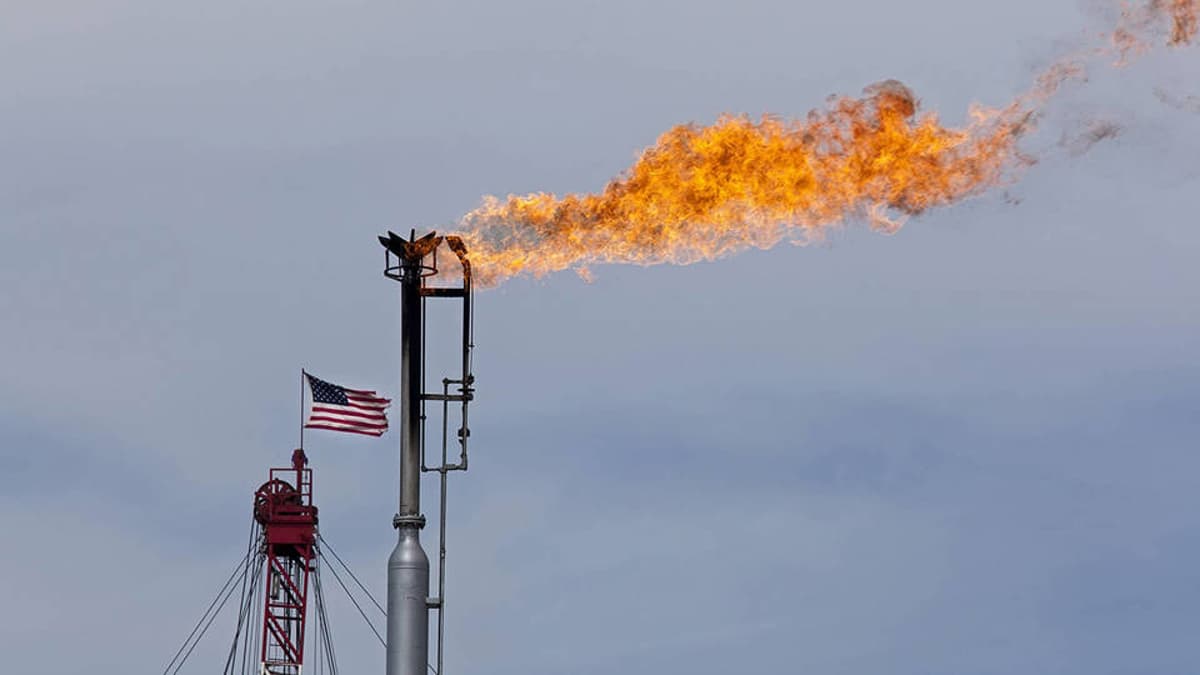
The resource‑curse hypothesis, popularized by economists studying low‑income nations, posits that abundant natural resources can stifle broader economic development. In the United States, the shale revolution has dramatically increased oil and gas output, yet manufacturing output has continued to grow, challenging the notion of an inevitable crowd‑out. This divergence suggests that the curse is not a universal law but a contingent outcome shaped by institutional quality, fiscal policy, and investment choices.
Comparative evidence from countries like Norway and Australia illustrates how resource wealth can be leveraged to fund research, education, and high‑tech industries, thereby reinforcing rather than eroding the manufacturing sector. These economies have established sovereign wealth funds and transparent revenue‑sharing mechanisms that channel resource profits into diversification strategies. In contrast, many resource‑rich developing nations lack such frameworks, leading to volatility, corruption, and underinvestment in non‑extractive sectors. The U.S. benefits from mature capital markets and a flexible labor force, which help absorb resource‑related shocks without derailing industrial growth.
For policymakers, the key lesson is that the focus should shift from fearing a resource curse to designing mechanisms that ensure resource revenues support sustainable development. Strategic reinvestment in renewable energy, advanced manufacturing, and workforce training can turn abundant fossil‑fuel production into a catalyst for a greener, more resilient economy. As the global energy transition accelerates, the United States’ ability to balance resource extraction with innovation will determine whether it avoids the curse and maintains its competitive edge.
Is the US Falling Victim to the Resource Curse?
Comments
Want to join the conversation?
Loading comments...