Israel Rejects Ukraine Stolen Grain After EU Sanctions Warning
Why It Matters
The episode demonstrates how EU pressure can reshape third‑country trade to choke off revenue streams that fund Russia’s war effort, while also highlighting the fragile intersection of sanctions policy and broader geopolitical rivalries.
Key Takeaways
- •Israel turned away Russian vessel carrying 6,000 tonnes of Ukrainian wheat
- •EU warned Israeli firms of sanctions for facilitating stolen grain trade
- •Kyiv praised Israel’s move, urging others to avoid stolen Ukrainian grain
- •Vessel Panormitis linked to 850,000 tonnes of grain seized from occupied Ukraine
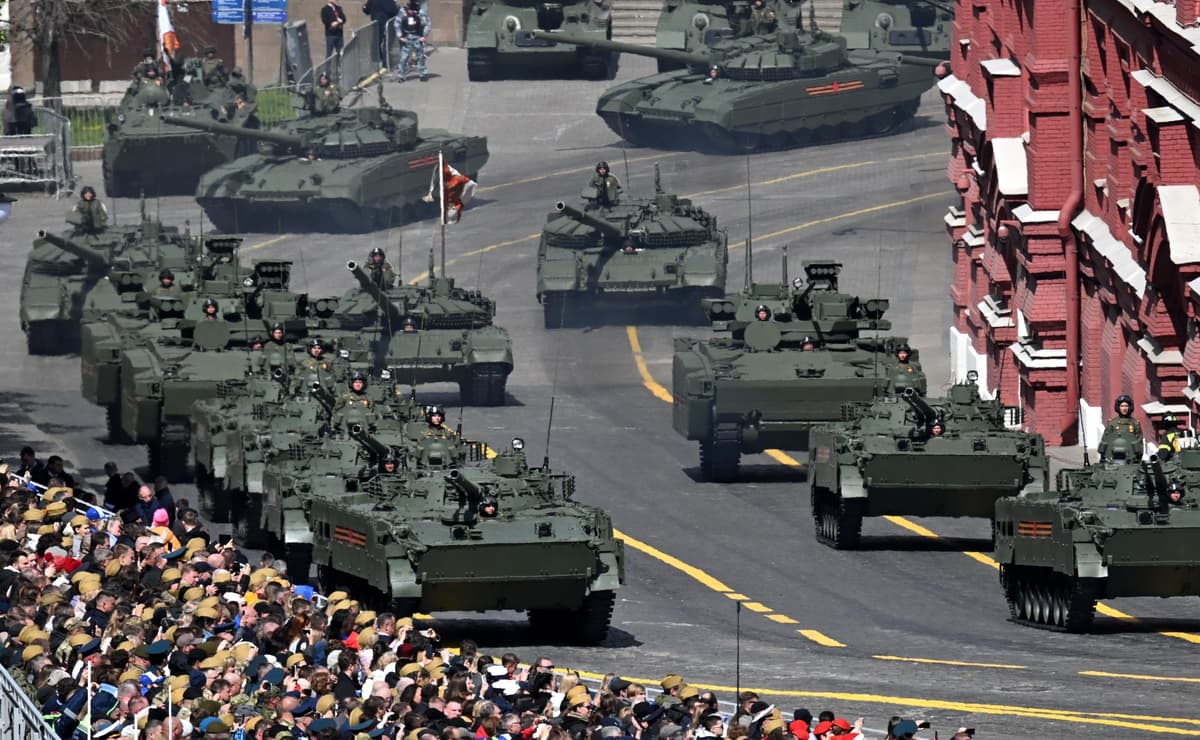
- •Putin claimed Trump backed a cease‑fire for Russia’s Victory Day parade
Pulse Analysis
The seizure of a Russian‑operated grain ship bound for Haifa underscores a growing crackdown on illicit commodity flows that sustain Russia’s conflict in Ukraine. While the vessel carried a modest $7 million cargo, it was part of a larger pattern Kyiv estimates at 850,000 tonnes of wheat and other staples siphoned from occupied territories. By rejecting the shipment, Israel not only avoids potential EU punitive measures but also signals a willingness to align with Western sanctions frameworks, a stance that could influence other regional ports handling similar cargoes.
European officials have repeatedly warned that any entity facilitating the export of stolen Ukrainian grain risks being listed under the EU’s restrictive measures. The threat of sanctions against Israeli traders reflects a broader strategy to close loopholes that allow Russia to monetize seized agricultural output. For Israeli exporters, compliance now carries heightened financial and reputational stakes, prompting tighter due‑diligence protocols and a reassessment of supply‑chain partners. The episode may also prompt other third‑country ports to scrutinize vessels linked to the Russian grain‑theft network, potentially shrinking the market for illicit Ukrainian produce.
Amid the grain controversy, diplomatic undercurrents surfaced as Russian President Vladimir Putin claimed U.S. President Donald Trump endorsed a temporary cease‑fire for Russia’s May 9 Victory Day parade. The allegation, relayed through a Kremlin‑released call transcript, adds a layer of complexity to Western efforts to isolate Moscow. While the claim remains unverified, it illustrates how sanctions enforcement can intersect with high‑level political maneuvering, influencing both trade decisions and the broader narrative of the war. Observers will watch whether the EU’s hard‑line approach in Israel sets a precedent for future enforcement actions across other neutral jurisdictions.
Israel rejects Ukraine stolen grain after EU sanctions warning
Comments
Want to join the conversation?
Loading comments...