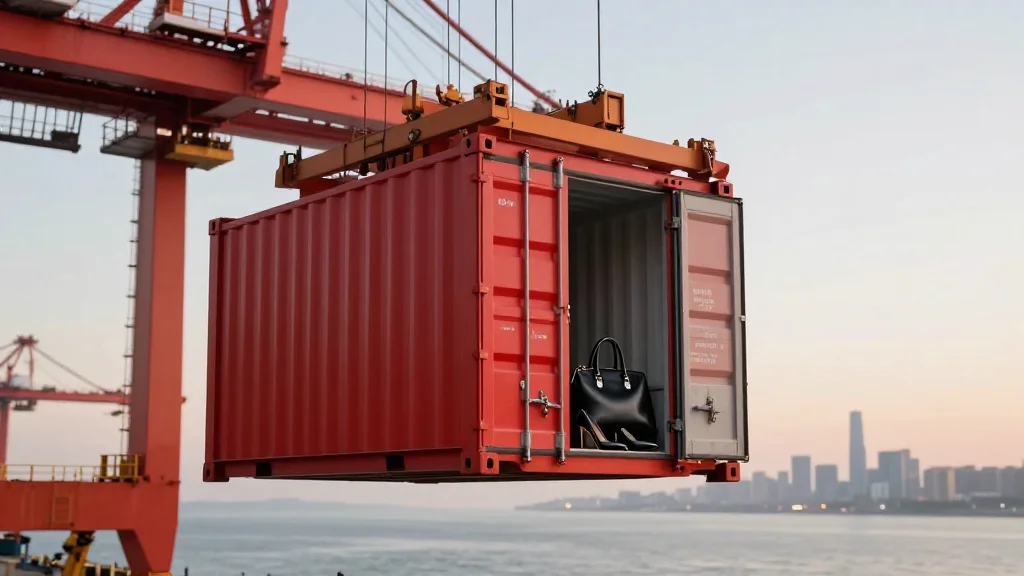
It Will Take More Than Tariffs to Bring Back US Textile Manufacturing, Industry Insiders Say
Companies Mentioned

Why It Matters
The findings reveal that punitive tariffs alone cannot revive U.S. textile manufacturing; without consistent policy and non‑tariff support, domestic producers remain uncompetitive against cheaper Asian supply chains, reshaping the industry’s future.
Key Takeaways
- •U.S. textile output fell 4% and apparel dropped 17% in 2025.
- •Asian countries supplied 72.6% of U.S. apparel imports, up from 71.6%.
- •Forty U.S. textile mills shut down in the last 2.5 years.
- •Tariff volatility left capacity utilization below 75% and deterred reshoring.
- •Industry calls for stable, non‑tariff incentives to revive domestic sourcing.
Pulse Analysis
The 2025 "Liberation Day" tariffs were marketed as a catalyst for bringing textile jobs back to America, yet the rapid dismantling of the IEEPA duties left manufacturers in limbo. Kearney’s Reshoring Index confirms that domestic output continued to contract, with textile gross output down 4% and apparel plunging 17% year‑over‑year. Even as the government poured triple the 2021 investment into the sector, capacity utilization slipped below the historic 75% threshold, underscoring that capital alone cannot offset policy uncertainty.
Meanwhile, Asian suppliers capitalized on the shifting trade landscape. Despite higher duties, countries such as Vietnam, Bangladesh, Indonesia, India and Cambodia expanded capacity, collectively accounting for 50.6% of U.S. apparel imports—up from 37.1% pre‑COVID. Import volumes from these nations surged double‑digit percentages, while sourcing from CAFTA‑DR partners fell 6.7% in value. The data suggest that manufacturers chose to diversify within Asia rather than pivot to the Western Hemisphere, driven by entrenched supply chains, investor backing, and the limited tariff differential that failed to make American or nearby sources cost‑competitive.
Industry leaders now argue that a durable solution requires more than tariff tweaks. The National Council of Textile Organizations and executives like Kim Glas and James McKinnon advocate for stable legislative frameworks, targeted incentives such as an expanded Berry Amendment, and non‑tariff tools—including duty‑free treatment for CAFTA‑DR goods and exemptions for critical inputs. By addressing labor cost gaps, enhancing customs enforcement, and rewarding supply chains free of forced labor, policymakers could create a more level playing field that encourages genuine reshoring and sustains the 453,000 jobs still dependent on U.S. textile production.
It Will Take More Than Tariffs to Bring Back US Textile Manufacturing, Industry Insiders Say
Comments
Want to join the conversation?
Loading comments...