ITDP’s Response to the Iran Energy Crisis
Why It Matters
Higher energy costs strain economies and accelerate the shift toward cleaner, electrified transport, reshaping global energy demand.
Key Takeaways
- •Oil prices jumped ~60% after Strait of Hormuz shutdown
- •Natural gas prices doubled, reaching historic highs
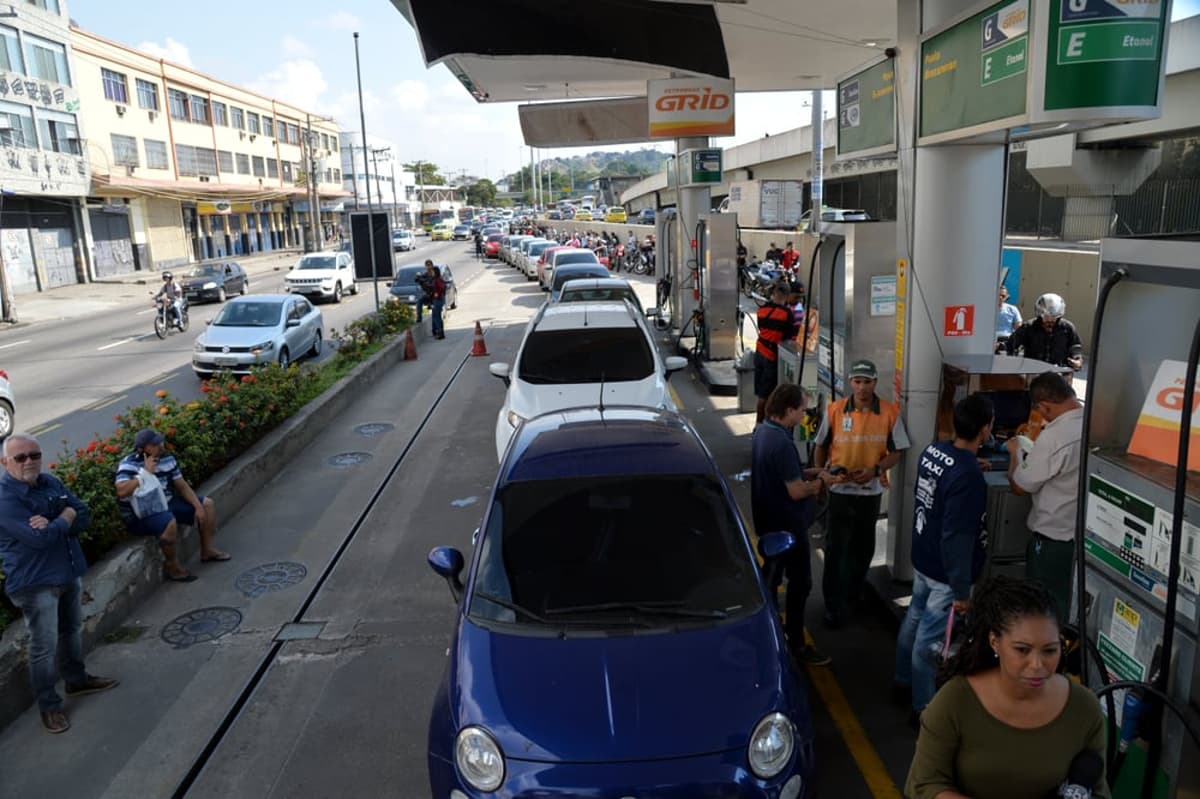
- •Transport sector faces higher fuel costs and supply uncertainty
- •Countries choosing efficiency and electrification reduce long‑term risk
- •Repeated closures could embed permanently higher energy prices
Pulse Analysis
The Strait of Hormuz, a 21‑mile waterway linking the Persian Gulf to the open ocean, handles roughly 20% of global oil shipments and a sizable share of liquefied natural gas. When the strait was temporarily sealed amid regional tensions, oil prices surged roughly 60% and natural‑gas prices doubled, marking the sharpest price shock since the 1970s oil crises. Analysts warn that the chokepoint’s vulnerability is not a one‑off event; any future closure could instantly push energy costs higher, reshaping commodity markets worldwide.
The transport sector feels the brunt of these spikes, as trucks, ships, and aviation rely heavily on petroleum‑derived fuels. Higher fuel bills translate into increased freight rates, consumer price inflation, and tighter margins for logistics firms. Governments have taken two divergent paths: short‑term subsidies to shield households and businesses, or long‑term strategies that improve fuel efficiency and accelerate vehicle electrification. While subsidies cushion immediate pain, they also lock in demand for fossil fuels and strain public budgets, leaving economies exposed to the next supply shock.
ITDP argues that prioritizing efficiency and electrification offers the most sustainable economic payoff. Shifting freight and passenger fleets to electric power reduces exposure to volatile oil markets, cuts greenhouse‑gas emissions, and creates new jobs in clean‑technology supply chains. Policymakers can accelerate this transition with incentives for zero‑emission vehicles, investment in charging infrastructure, and standards that reward higher fuel economy. As the risk of repeated Strait closures persists, markets that diversify away from oil‑dependence will likely enjoy lower long‑term energy costs and greater resilience.
ITDP’s Response to the Iran Energy Crisis
Comments
Want to join the conversation?
Loading comments...