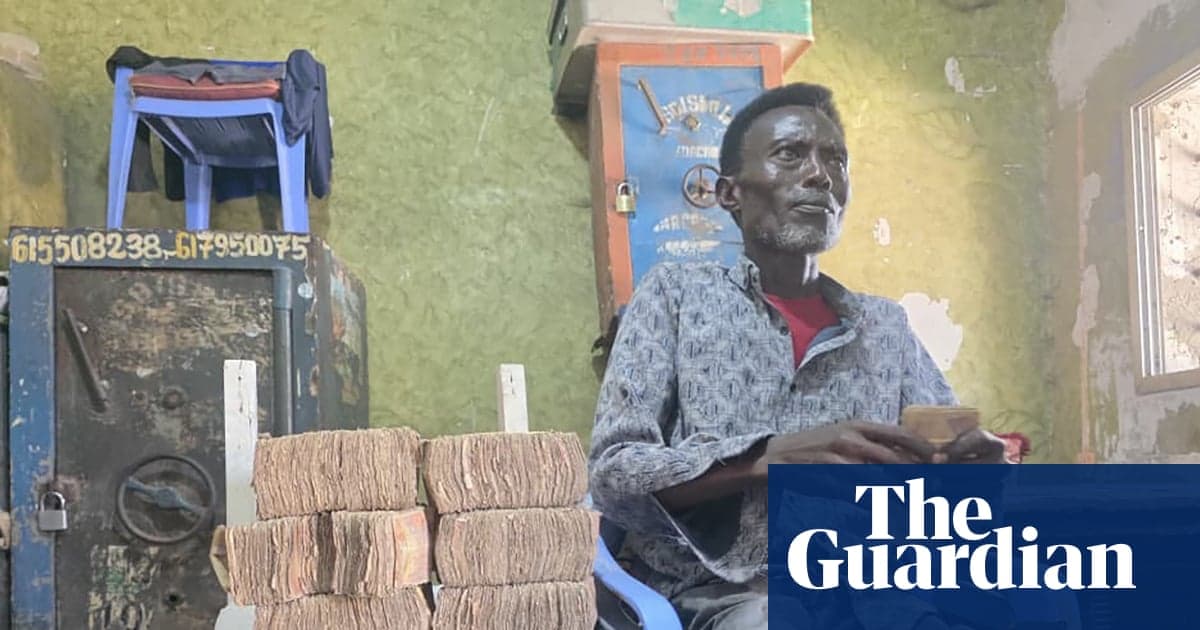
‘It’s Like We Went Bankrupt Overnight’: Poorest Somalis Suffer as Piles of Worthless Shillings Mount Up
Why It Matters
The collapse of the Somali shilling threatens to push millions deeper into poverty and accelerates the shift toward a dollar‑based informal economy, undermining monetary sovereignty.
Key Takeaways
- •Traders stopped accepting tattered Somali shillings, sparking nationwide cash crisis
- •Dollarisation and mobile money raise food prices for the poorest households
- •Government decree criminalizes shilling rejection, but enforcement remains doubtful
- •Remittance flow in US dollars deepens reliance on foreign currency
Pulse Analysis
Somalia’s monetary crisis is rooted in decades of institutional collapse. Since the central bank ceased operations in 1991, the 1,000‑shilling note became the sole legal tender, while the country’s fragmented politics prevented any new printing. Over time, the United States dollar and mobile‑money platforms have filled the void, especially in urban hubs like Mogadishu, creating a dual‑currency reality that erodes confidence in the national shilling. This backdrop set the stage for the recent collective refusal by traders to handle the worn, counterfeit‑prone notes, effectively rendering the shilling non‑functional for everyday transactions.
The immediate fallout is felt most acutely by low‑income families. With buses, shops, and even vegetable vendors demanding dollars or mobile‑money payments, prices for staples such as powdered milk have more than doubled. Drought‑induced crop failures have already strained food supplies, and the sudden currency shift adds a new cost layer, pushing an estimated 6.5 million Somalis toward severe hunger. Remittances—primarily sent in US dollars—now dominate household cash flow, but informal hawala networks struggle to meet the surge in demand for dollar conversion, leaving many with unusable shilling bundles.
Policy makers have responded by criminalising the rejection of shillings, yet enforcement is hampered by a fragile security apparatus and limited state reach outside the capital. Without credible policing or incentives for compliance, the decree risks becoming symbolic. The longer the shilling remains defunct, the deeper Somalia’s economy will embed into a dollar‑centric informal system, weakening fiscal autonomy and complicating future reconstruction efforts. Stakeholders—from aid agencies to diaspora investors—must weigh short‑term relief against the long‑term cost of eroding monetary sovereignty.
‘It’s like we went bankrupt overnight’: poorest Somalis suffer as piles of worthless shillings mount up
Comments
Want to join the conversation?
Loading comments...