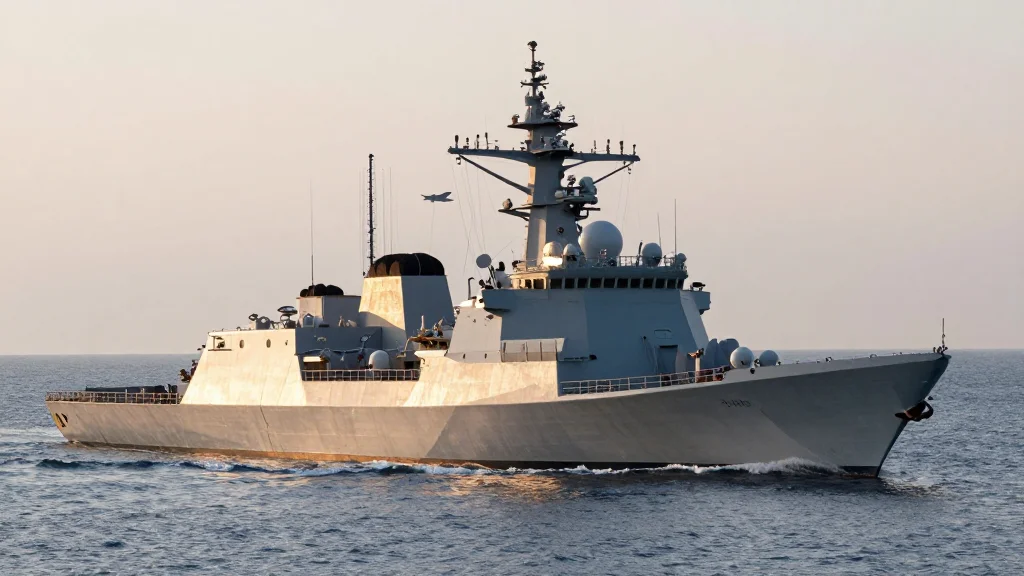
Japan Lifts Ban on Lethal Weapons Exports, Paving Way for $6.5 B Frigate Deal with Australia

Companies Mentioned
Why It Matters
The policy reversal transforms Japan from a net importer of high‑end weaponry into a potential exporter, reshaping global arms market dynamics and giving Tokyo a new lever in regional diplomacy. By unlocking a $6.5 billion frigate contract and opening pathways for fighter jet and drone sales, Japan can stimulate domestic high‑tech manufacturing, create jobs, and reduce reliance on U.S. arms imports. At the same time, the move tests the limits of Japan’s pacifist constitution and could provoke a security dilemma with China, which has already condemned the shift. The export framework will be watched closely by allies seeking reliable partners and by critics fearing an arms race in the Indo‑Pacific.
Key Takeaways
- •Japan’s cabinet approved guidelines scrapping the ban on lethal weapons exports.
- •Exports now include fighter jets, missiles and destroyers to 17 approved countries.
- •The policy underpins a $6.5 billion frigate deal with Australia, the largest Japanese arms contract ever.
- •U.S. Ambassador George Glass called the change a “historic step,” while China’s Guo Jiakun denounced it as reckless militarism.
- •The move is part of a broader strategy to grow Japan’s defense sector as one of 17 strategic industries.
Pulse Analysis
Japan’s export liberalization marks a strategic pivot that aligns with broader Indo‑Pacific realignments. Historically, Tokyo’s defense industry has been constrained by constitutional limits and a reliance on U.S. procurement. By opening the market to lethal exports, Japan can capture a slice of the $100 billion global arms market, leveraging its advanced shipbuilding and aerospace capabilities. The $6.5 billion frigate contract with Australia not only provides immediate revenue but also creates a supply chain that could attract subcontractors across the region, fostering a new ecosystem of Japanese‑led defense technology.
However, the policy carries geopolitical risk. China’s vocal opposition signals that Tokyo may face diplomatic pushback, especially if exported systems end up in contested zones. Japan’s promise to restrict sales to countries not at war may be tested as regional tensions intensify. The success of the export program will hinge on the robustness of end‑use monitoring and the ability to navigate domestic legal challenges. If managed well, Japan could emerge as a credible middle‑ground supplier—offering high‑quality, U.S.-compatible systems without the political baggage of larger exporters, thereby reshaping the balance of power in the Pacific.
In the medium term, the policy could spur domestic R&D investment, especially in dual‑use technologies like autonomous drones and AI‑enabled combat systems. This could accelerate Japan’s transition from a defense‑only posture to a broader security‑industry hub, with spill‑over benefits for civilian high‑tech sectors. The world will be watching how Tokyo balances commercial ambition, constitutional constraints, and regional stability.
Japan lifts ban on lethal weapons exports, paving way for $6.5 B frigate deal with Australia
Comments
Want to join the conversation?
Loading comments...