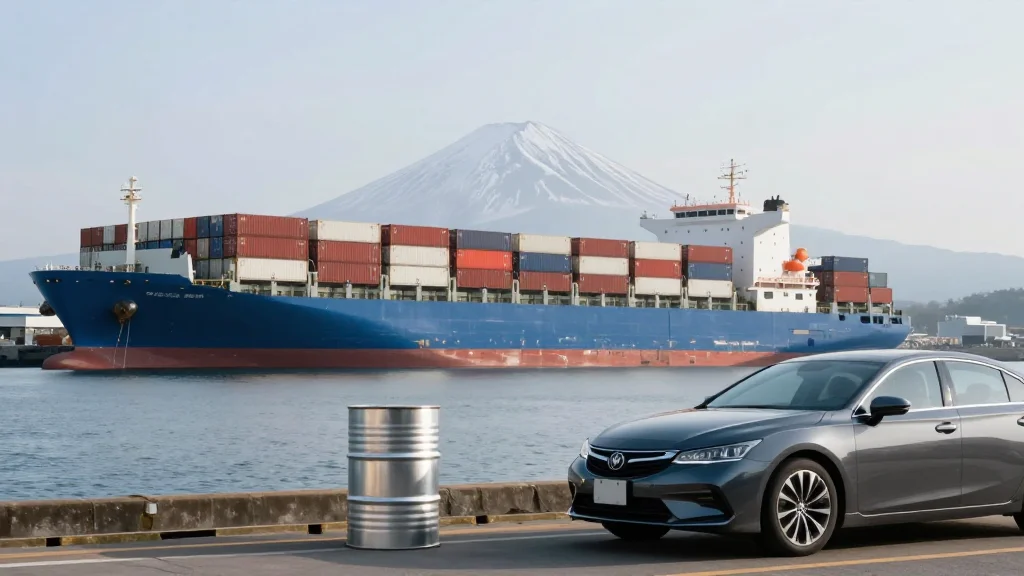
Japan Records Trade Deficit for 5th Straight Year as Trump's Tariffs Hit Auto Exports
Companies Mentioned
Why It Matters
The widening deficit underscores how U.S. tariff policy can destabilize Japan’s export‑driven economy, especially its auto industry, while the March surplus shows resilience in other sectors. Energy‑security moves highlight Japan’s vulnerability to geopolitical shocks and its need for diversified supply chains.
Key Takeaways
- •Japan posted a ¥1.7 trillion ($10.7 bn) trade deficit FY2023.
- •Exports grew 4% while imports rose only 0.5% year‑over‑year.
- •U.S. tariffs cut Japan‑U.S. auto shipments 16%, driving overall export decline.
- •March saw a 26% surge in trade surplus, signaling sector rebound.
- •Japan taps strategic oil reserves as Middle East supply routes stay disrupted.
Pulse Analysis
Japan’s latest trade figures reveal a persistent deficit, now at ¥1.7 trillion ($10.7 billion) for the fiscal year that ended in March. While overall exports climbed modestly by 4%, the impact of President Donald Trump’s higher tariffs on Japanese automobiles was stark: auto shipments to the United States fell 16%, dragging down the country’s export performance. This tariff‑induced shock illustrates how policy shifts in a major market can quickly reverberate through a highly integrated manufacturing economy, pressuring firms to reassess their supply‑chain strategies.
Despite the annual shortfall, March data painted a more optimistic picture. Export volumes surged 11.7% and imports rose 10.9%, propelling the monthly trade surplus up 26% from a year earlier. Automakers such as Toyota have increasingly shifted production to overseas plants located near key consumer markets, a move that mitigates tariff exposure while preserving global competitiveness. The sharp rebound in March suggests that these relocation efforts, combined with stronger demand in other export categories, are beginning to offset the tariff drag.
Energy security remains a parallel concern. Japan imports virtually all of its oil and gas, and the ongoing conflict in the Middle East has jeopardized shipments through the Strait of Hormuz. In response, the government has tapped its strategic petroleum reserve—enough for 254 days of consumption—to stabilize domestic supply. Simultaneously, Tokyo is exploring alternative routing options to diversify import pathways. These measures underscore the broader risk landscape Japanese policymakers face, where geopolitical volatility can affect both trade balances and critical resource availability.
Japan records trade deficit for 5th straight year as Trump's tariffs hit auto exports
Comments
Want to join the conversation?
Loading comments...