JD Vance Meets Pakistan's Sharif as US‑Iran Talks Launch in Islamabad

Why It Matters
The Islamabad negotiations sit at the intersection of geopolitics and global energy supply. A sustained ceasefire would keep the Strait of Hormuz open, preventing a sharp spike in oil prices that could erode economic growth worldwide. Conversely, a breakdown could trigger a supply shock, inflating energy costs and pressuring inflation targets in major economies. Beyond oil, the talks address frozen Iranian assets and regional security guarantees, both of which influence foreign investment flows into the Middle East. A credible peace framework could restore investor confidence, revive stalled infrastructure projects, and stabilize currency markets across the region.
Key Takeaways
- •U.S. Vice President JD Vance met Pakistan's PM Shehbaz Sharif in Islamabad to launch US‑Iran face‑to‑face talks.
- •Iran demands an Israeli ceasefire in Lebanon and release of frozen assets; the U.S. seeks a long‑term non‑proliferation commitment.
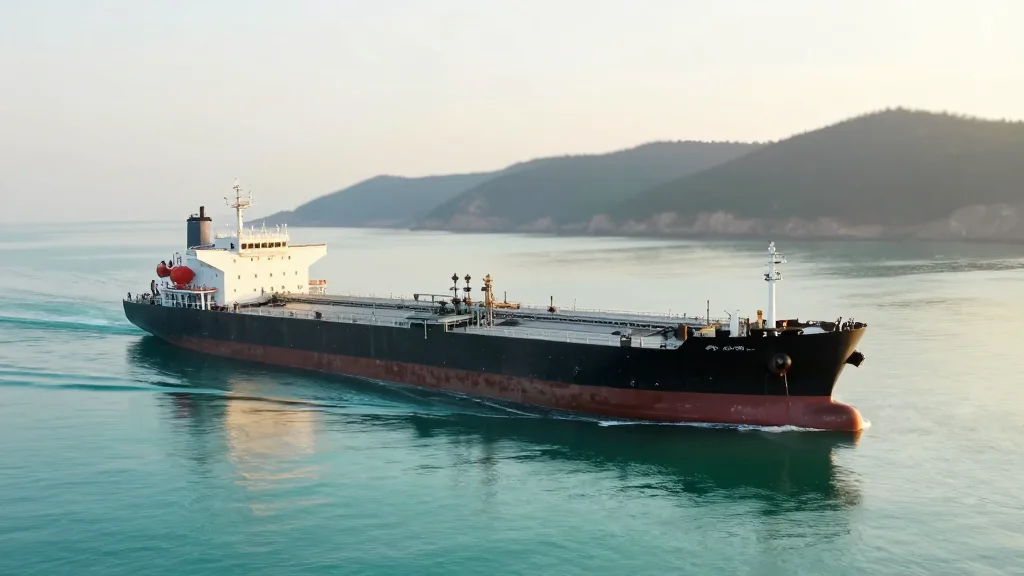
- •The Strait of Hormuz carries roughly 20% of global oil; a ceasefire helps keep this chokepoint open.
- •Oil prices have stayed 5‑7% above pre‑conflict levels, reflecting market anxiety over supply disruptions.
- •If talks fail, a closure of the Strait could trigger a sharp oil price spike and broader economic fallout.
Pulse Analysis
The Islamabad talks represent a rare convergence of diplomatic urgency and market pragmatism. Historically, ceasefires in the Persian Gulf have been short‑lived, but the current alignment of U.S. political will—exemplified by Vance’s direct engagement—and Pakistan’s willingness to mediate creates a narrow window for a durable agreement. The stakes are amplified by the fact that roughly one‑fifth of the world’s oil transits the Strait of Hormuz; any interruption would reverberate through global supply chains, inflating transport costs and feeding into inflationary pressures already felt in advanced economies.
From a strategic perspective, the United States is leveraging frozen Iranian assets as a bargaining chip, a tactic that has yielded mixed results in past negotiations. Iran’s insistence on compensation for infrastructure damage and a guarantee of a Lebanese ceasefire underscores its broader security concerns, which, if unmet, could reignite hostilities. The diplomatic calculus therefore hinges on whether Washington can offer enough economic incentives—such as phased asset releases—to offset Iran’s security demands without emboldening Tehran’s regional ambitions.
Looking ahead, the next 48‑hour window is critical. A successful extension of the ceasefire would likely stabilize oil markets, providing a modest but welcome relief to global growth forecasts. Failure, however, could see the Strait of Hormuz close again, prompting a rapid price surge that would strain both emerging market economies and energy‑dependent developed nations. Investors and policymakers should monitor the upcoming State Department briefing for signals on asset unfreeze timelines and any concrete security guarantees, as these will shape market expectations for the coming quarter.
JD Vance Meets Pakistan's Sharif as US‑Iran Talks Launch in Islamabad
Comments
Want to join the conversation?
Loading comments...