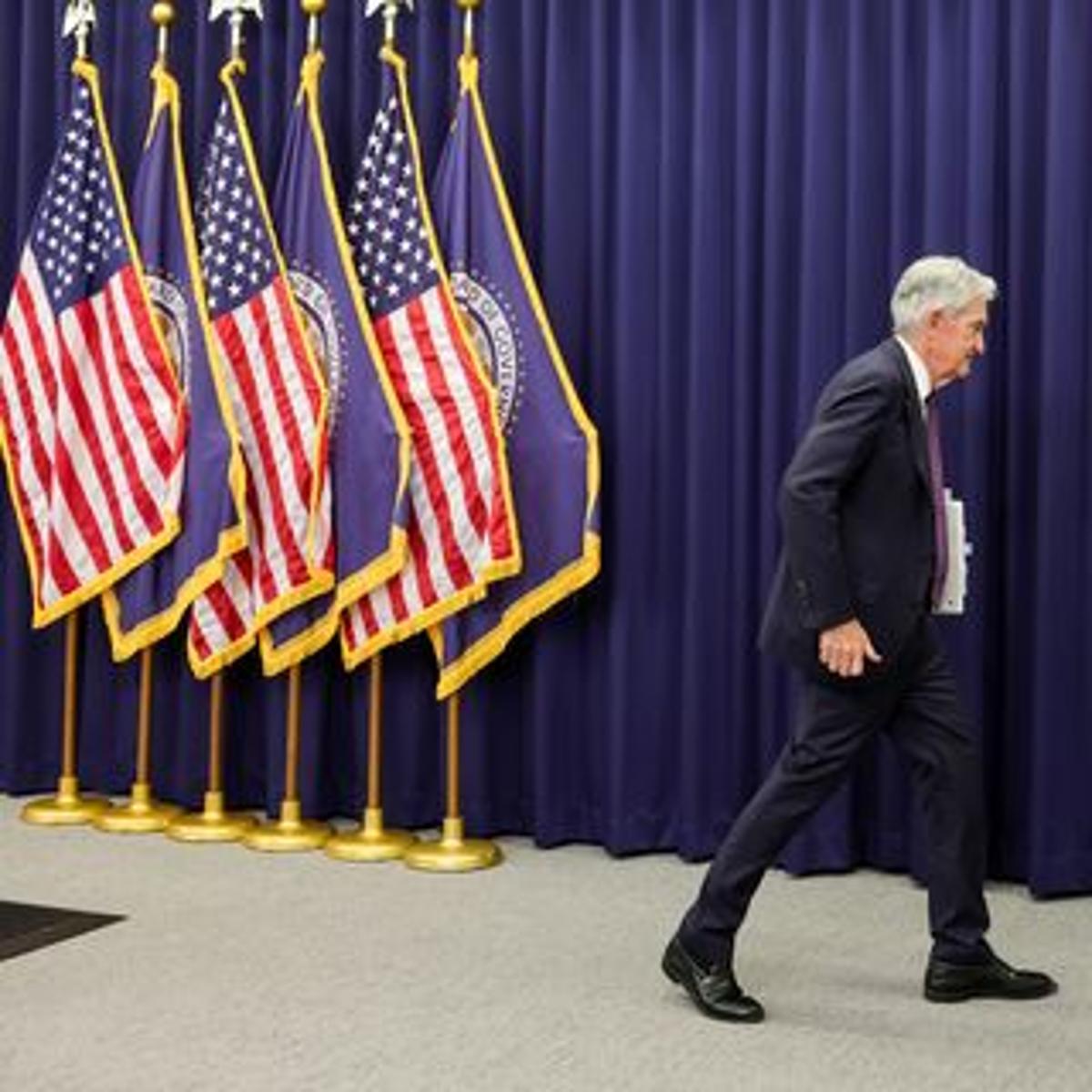
Jerome Powell Warns that the Fed's Credibility Is at Risk
Why It Matters
Fed credibility underpins effective monetary policy; erosion could destabilize markets and weaken confidence in U.S. economic governance.
Key Takeaways
- •Powell warns Fed credibility is on the line amid political attacks
- •Fed chair term ended; Powell stays as governor during independence dispute
- •Congress insulated monetary policy, but threats to remove officials persist
- •New chair Kevin Warsh pushes structural overhaul, intensifying internal debate
Pulse Analysis
Jerome Powell’s recent remarks at the Kennedy Library underscore a growing tension between the Federal Reserve and partisan forces seeking to reshape its governance. The former chair, now a governor, framed the current scrutiny as a "stress test" for the institution’s independence, highlighting investigations into a costly building renovation and attempts to dismiss Governor Lisa Cook. By invoking the historic insulation of monetary policy by Congress, Powell reminded listeners that the Fed’s ability to set rates without political pressure has been a cornerstone of post‑World War II economic stability.
The credibility of the Fed is more than a reputational asset; it directly influences market expectations, borrowing costs, and inflation outcomes. When investors trust that the central bank will act on data rather than political whims, bond yields remain anchored and equity markets can price risk more accurately. Recent threats to remove officials over policy disagreements risk eroding that trust, potentially prompting higher risk premiums and volatile asset prices. Historical episodes, such as the 1970s politicization of monetary policy, illustrate how credibility loss can fuel inflation spirals and undermine growth, making Powell’s warning a signal to policymakers and market participants alike.
Looking ahead, the appointment of Kevin Warsh as Fed chair adds another layer of complexity. Warsh’s call for a deep structural overhaul could reshape the Board’s decision‑making processes, while also intensifying internal debates about the balance between transparency and independence. Investors should monitor legislative actions, any further legal challenges to Fed officials, and the administration’s staffing moves for clues on the future trajectory of monetary policy. Preserving the Fed’s credibility remains essential for sustaining the United States’ economic leadership and for providing a stable environment for American families and businesses.
Jerome Powell warns that the Fed's credibility is at risk
Comments
Want to join the conversation?
Loading comments...